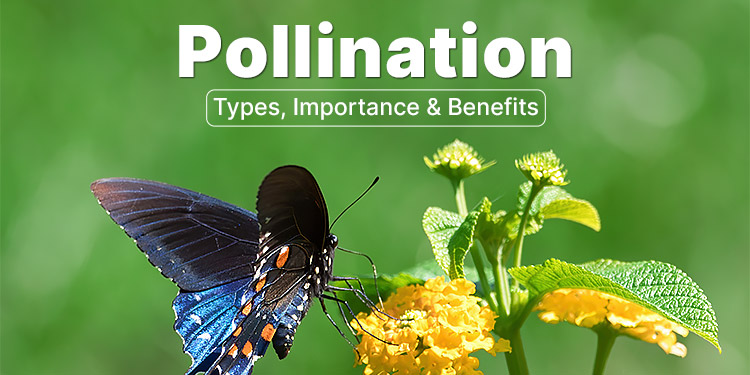

Pollination is a crucial biological process that enables the reproduction of flowering plants. It involves the transfer of pollen from the male part of the flower (anther) to the female part (stigma). This process can occur through various mechanisms and agents, leading to the fertilization and production of seeds. Here, we will explore the different aspects of pollination, its types, and its significance in the ecosystem.
What is Pollination?
Pollination is the transfer of pollen from the male part of a flower (anther) to the female part of the same or another flower (stigma). This process is crucial for fertilization, leading to the production of seeds.
Key Terms in Pollination
- Pollen: The powdery substance produced by the anthers of flowers, containing male gametes.
- Anther: The part of a flower’s stamen where pollen is produced.
- Stigma: The part of a flower’s pistil that receives the pollen during pollination.
- Fertilization: The fusion of male and female gametes to form a zygote, which develops into a seed.
Types of Pollination
Self-Pollination
Self-pollination occurs when pollen from the anther of a flower is transferred to the stigma of the same flower or another flower on the same plant. This type of pollination is common in plants that have flowers with both male and female reproductive structures.
Advantages of Self-Pollination:
- Ensures reproduction in the absence of pollinators.
- Maintains genetic consistency.
Disadvantages of Self-Pollination:
- Limits genetic diversity.
- May lead to inbreeding depression.
Cross-Pollination
Cross-pollination involves the transfer of pollen from the anther of one flower to the stigma of another flower on a different plant of the same species. This type of pollination is facilitated by external agents.
Advantages of Cross-Pollination:
- Promotes genetic diversity.
- Enhances plant resilience and adaptability.
Disadvantages of Cross-Pollination:
- Requires the presence of pollinators or specific environmental conditions.
- Can be less reliable compared to self-pollination.
| Feature | Self-Pollination | Cross-Pollination |
| Definition | Pollen from the same flower or plant fertilizes the ovules within that flower or plant. | Pollen from one flower or plant is transferred to the stigma of another flower or plant. |
| Mechanism | Autogamy (transfer of pollen within the same flower) or geitonogamy (transfer of pollen between flowers on the same plant). | Involves the transfer of pollen between flowers on different plants. |
| Genetic Diversity | Low genetic diversity. Offspring are genetically identical to the parent plant. | High genetic diversity. Offspring inherit genetic material from two different parent plants. |
| Advantages | No dependency on external pollinating agents. | Greater genetic variability, promoting adaptability to changing environments. |
| Disadvantages | Limited genetic diversity, making the population susceptible to diseases and environmental changes. | Requires external agents (wind, insects, animals) for successful pollination. |
| Examples | Peas, tomatoes (some varieties can self-pollinate). | Apples, cherries, watermelons, zucchinis, where pollination often involves insects or wind. |
| Dependency on Agents | Not dependent on external agents; relies on gravity, structural features, or self-transfer. | Requires external agents (wind, insects, animals) for successful transfer of pollen between flowers. |
Agents of Pollination
Biotic Agents
- Insects: Bees, butterflies, moths, and beetles are primary insect pollinators. They are attracted to flowers by their colors, scents, and nectar. As they collect nectar, pollen grains stick to their bodies and are transferred to other flowers.
- Birds: Hummingbirds and other nectar-feeding birds play a significant role in pollinating flowers, especially those with tubular shapes and bright colors.
- Bats: In some tropical and desert regions, bats are important pollinators. They are attracted to flowers that open at night and emit strong scents.
Abiotic Agents
- Wind: Wind pollination, or anemophily, occurs in plants with small, inconspicuous flowers that produce large quantities of lightweight pollen. Grasses, many trees, and some crops like wheat and corn rely on wind for pollination.
- Water: Water pollination, or hydrophily, is less common and occurs in aquatic plants where pollen is transferred through water currents. Examples include certain species of seagrasses.
Importance of Pollination
Pollination is essential for the reproduction of most plants, leading to the production of fruits, seeds, and the next generation of plants. It also plays a crucial role in food production, as many crops rely on pollination. Without effective pollination, the yield and quality of fruits and seeds can be significantly reduced.
Benefits to Ecosystems
Pollination contributes to biodiversity and the health of ecosystems. It supports the growth of plants that provide food and habitat for a variety of wildlife. Pollinators themselves, like bees and butterflies, are vital components of healthy ecosystems.
Threats to Pollination
Despite its importance, pollination is under threat due to various factors:
- Habitat Loss: Urbanization, deforestation, and agricultural expansion reduce the habitats available for pollinators.
- Pesticides: The use of chemical pesticides can harm or kill pollinators, disrupting their populations.
- Climate Change: Changes in climate patterns can affect the timing of flowering and the availability of pollinators.
- Invasive Species: Non-native plants and animals can compete with or prey on native pollinators, disrupting established ecosystems.
FAQs on Pollination: Types, Importance & Benefits
Q1: What is the purpose of pollination?
Answer: Pollination serves a critical role in the reproduction of plants. It involves the transfer of pollen grains containing male gametes from the anther (the male part of a flower) to the stigma (the female part). This process is essential for fertilization, which results in the formation of seeds. Ultimately, pollination ensures the continuation of plant species and supports global food production by enabling the growth of fruits and seeds.
Q2: How does pollination occur?
Answer: Pollination can occur through various methods. Self-pollination happens when pollen from the anther fertilizes the stigma of the same flower or another flower on the same plant. Cross-pollination, on the other hand, involves the transfer of pollen between flowers of different plants of the same species. This process can be facilitated by different agents such as wind, water, insects (like bees and butterflies), birds, and even mammals. Each pollination method plays a crucial role in ensuring the successful reproduction of plants.
Q3: Why is cross-pollination important?
Answer: Cross-pollination promotes genetic diversity within plant populations. When pollen from one plant fertilizes the flower of another plant, it results in offspring with varied genetic traits. This diversity enhances the ability of plants to adapt to changing environmental conditions and increases their resilience to diseases and pests. Overall, cross-pollination is vital for the long-term survival and evolution of plant species in natural ecosystems.
Q4: How does pollination benefit ecosystems?
Answer: Pollination plays a pivotal role in maintaining the health and stability of ecosystems. It supports the growth of plants that provide food, shelter, and nesting sites for a wide range of wildlife species. Pollinators themselves, such as bees, butterflies, birds, and bats, depend on plants for nectar and pollen, forming intricate ecological relationships. By facilitating plant reproduction, pollination contributes to biodiversity and ecosystem resilience, making habitats more robust against environmental changes and disturbances.