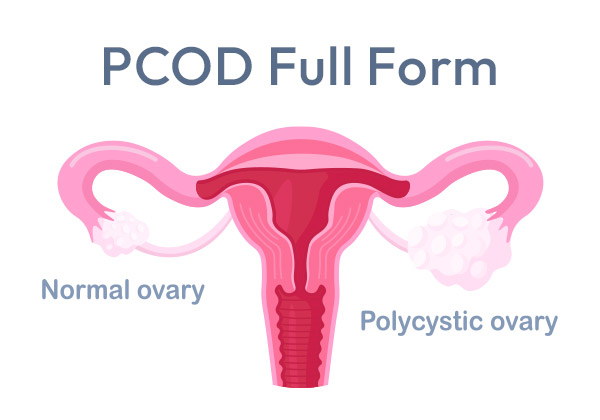

What is Full Form of PCOD?
PCOD Full Form: PCOD stands for Polycystic Ovary Syndrome – Polycystic Ovary Syndrome (PCOS), also known as Polycystic Ovary Disease (PCOD), is a common endocrine disorder that affects women of reproductive age. It is characterized by hormonal imbalances, ovarian cysts, and metabolic disturbances. PCOS can lead to various symptoms and complications, affecting a woman’s reproductive health, hormonal balance, and overall well-being. In this article, we will delve into the details of PCOD, including its causes, symptoms, diagnosis, treatment, and frequently asked questions.
What is PCOD?
PCOD is a condition characterized by the presence of multiple cysts in the ovaries, irregular menstrual cycles, and hormonal imbalances. It is primarily caused by an excess production of androgens (male hormones) in the ovaries, which interferes with the normal development and release of eggs. This can lead to irregular or absent menstrual periods and difficulty in conceiving.
Ovaries and Their Normal Function
The ovaries are two small organs located on either side of the uterus. Their main functions are to:
- Produce eggs (ova) that are released during each menstrual cycle.
- Produce female hormones, such as estrogen and progesterone, which regulate the menstrual cycle and support pregnancy.
Common Symptoms of PCOD
Irregular menstrual periods:
Women with PCOD often experience irregular or prolonged menstrual cycles, with intervals longer than 35 days or fewer than eight menstrual cycles per year.
Excess hair growth:
Due to the elevated androgen levels, women with PCOD may develop excessive hair growth on the face, chest, abdomen, or back, a condition known as hirsutism.
Acne and oily skin:
Increased androgen production can also contribute to acne breakouts and excessively oily skin.
Weight gain:
PCOD is associated with weight gain or difficulty losing weight, often in a pattern of excess weight around the abdomen.
Insulin resistance:
Many women with PCOD have insulin resistance, which can lead to high blood sugar levels and an increased risk of developing type 2 diabetes.
Infertility:
PCOD can cause difficulties in getting pregnant due to irregular ovulation or the absence of ovulation.
Other Symptoms
There are a few other symptoms that some women with PCOD might experience:
- Pelvic Pain: Some women may have pain in their pelvic area.
- Sleep Apnea: This is a condition where breathing stops and starts during sleep, more common in women who are overweight and have PCOD.
Causes and Risk Factors of PCOD
Polycystic Ovarian Disease (PCOD) is a common condition that affects many women, but its exact cause is not fully understood. However, several factors can increase the risk of developing PCOD. Here is a detailed explanation of the causes and risk factors of PCOD in simple terms:
Causes of PCOD
- Hormonal Imbalance
- Androgens: Women with PCOD have higher levels of androgens, which are male hormones present in small amounts in women. This excess can prevent the ovaries from releasing eggs normally, leading to irregular menstrual cycles and the formation of cysts.
- Insulin: Insulin is a hormone that helps the body use sugar for energy. In PCOD, the body may have difficulty using insulin effectively, known as insulin resistance. This can cause the body to produce more insulin, which can increase androgen production.
- Genetics: PCOD can run in families. If your mother, sister, or other female relatives have PCOD, you may be more likely to develop it. Researchers believe multiple genes may contribute to the condition.
- Inflammation: Women with PCOD often have higher levels of inflammation in their bodies. This inflammation can stimulate the ovaries to produce androgens, contributing to the symptoms of PCOD.
Risk Factors of PCOD
Family History: If you have a close relative, such as a mother or sister, with PCOD, your risk of developing the condition is higher.
Obesity: Being overweight or obese can increase your risk of PCOD. Excess weight can exacerbate insulin resistance and lead to higher androgen levels, worsening PCOD symptoms.
Insulin Resistance: Many women with PCOD have insulin resistance, even if they are not overweight. This means their bodies can’t use insulin effectively, leading to higher insulin levels and increased androgen production.
Sedentary Lifestyle: Lack of physical activity can contribute to weight gain and insulin resistance, both of which are risk factors for PCOD.
Unhealthy Diet: A diet high in refined carbohydrates, sugary foods, and unhealthy fats can increase the risk of insulin resistance and weight gain, contributing to PCOD.
Stress: Chronic stress can impact hormone levels and contribute to the development of PCOD. High stress levels can lead to increased cortisol production, which can affect other hormone levels in the body.
Environmental Factors: Exposure to certain environmental toxins and endocrine-disrupting chemicals may play a role in the development of PCOD. These substances can interfere with normal hormone function.
Diagnosis of PCOD
PCOD is diagnosed based on a combination of clinical symptoms, physical examination, and specific diagnostic tests. These may include:
Medical history and physical examination:
The healthcare provider will discuss the patient’s symptoms, menstrual history, and perform a physical examination to check for signs such as excess hair growth, acne, or abdominal obesity.
Blood tests:
Hormonal levels, including androgens, estrogen, luteinizing hormone (LH), and follicle-stimulating hormone (FSH), are measured to evaluate hormonal imbalances.
Pelvic ultrasound:
An ultrasound examination is conducted to visualize the ovaries and detect the presence of cysts or other abnormalities.
Treatment Options for PCOD
The treatment approach for PCOD aims to manage the symptoms and improve overall health. The specific treatment plan may vary depending on the individual’s symptoms, fertility goals, and other factors. Common treatment options include:
Lifestyle Changes:
Adopting a healthy lifestyle, including regular exercise, a balanced diet, weight management, and stress reduction, can help regulate hormones and improve symptoms.
Medications:
Hormonal birth control pills or other hormonal medications may be prescribed to regulate menstrual cycles, control excess hair growth, and improve acne.
Fertility treatments:
Women trying to conceive may benefit from fertility medications or procedures such as ovulation induction, in vitro fertilization (IVF), or surgical interventions like ovarian drilling.
Management of associated conditions:
If insulin resistance or diabetes are present, managing blood sugar levels through diet, exercise, or medication may be necessary.
Symptom-specific treatments:
Additional treatments may be recommended to manage specific symptoms such as hair removal techniques for hirsutism or acne medications for acne breakouts.
PCOS vs PCOD
Polycystic Ovary Syndrome (PCOS) and Polycystic Ovarian Disease (PCOD) are often used interchangeably, but they have distinct differences. Understanding these differences can help women better manage their condition and seek appropriate treatment. Here’s a detailed comparison of PCOS and PCOD in simple terms:
Understanding PCOS and PCOD
PCOS (Polycystic Ovary Syndrome)
PCOS is a metabolic disorder and a more severe form of hormonal imbalance that affects women of reproductive age. It involves multiple symptoms and can have long-term health implications.
PCOD (Polycystic Ovarian Disease)
PCOD is a condition where the ovaries contain many immature or partially mature eggs, which turn into cysts over time. It is less severe than PCOS and can often be managed with lifestyle changes and medication.
Key Differences Between PCOS and PCOD
Below is a detailed table highlighting the main differences between PCOS and PCOD:
| Feature | PCOS (Polycystic Ovary Syndrome) | PCOD (Polycystic Ovarian Disease) |
| Nature | Metabolic disorder affecting the endocrine system | Condition affecting the ovaries |
| Severity | More severe with potential long-term health risks | Less severe and more common |
| Symptoms | Irregular periods, infertility, excessive hair growth, weight gain, acne, hair thinning | Irregular periods, mild weight gain, acne, manageable symptoms |
| Hormonal Imbalance | Significant, with higher levels of androgens | Mild, with slight increase in androgens |
| Insulin Resistance | Common, leading to higher insulin levels | Less common |
| Fertility Issues | More pronounced, higher risk of infertility | Can affect fertility but to a lesser extent |
| Long-Term Health Risks | Higher risk of type 2 diabetes, heart disease, endometrial cancer | Lower risk of long-term health complications |
| Diagnosis | Based on a combination of symptoms, blood tests, and ultrasound | Primarily diagnosed through ultrasound and symptom check |
| Management | Requires lifestyle changes, medication, and sometimes surgery | Can often be managed with lifestyle changes and medication |
| Treatment Focus | Managing insulin resistance, reducing androgen levels, regulating menstrual cycle | Balancing hormones, regularizing periods, managing cysts |
| Prevalence | Affects 6-10% of women globally | More common, affecting around 10-15% of women |
| Emotional Impact | Higher due to severe symptoms and potential infertility | Less, as symptoms are generally milder |
PCOD is a common endocrine disorder that affects many women worldwide. It is characterized by hormonal imbalances, ovarian cysts, and metabolic disturbances. While PCOD cannot be cured completely, its symptoms can be effectively managed through a combination of lifestyle modifications, medications, and medical interventions. Regular medical check-ups, proactive management, and a healthy lifestyle are crucial for maintaining reproductive health, managing symptoms, and reducing the risk of associated health complications. If you suspect you have PCOD or are experiencing any related symptoms, it is recommended to consult with a healthcare professional for proper evaluation and personalized treatment.
Tips for Visiting a Gynecologist for PCOD
Visiting a gynecologist for PCOD can be a crucial step in managing the condition effectively. To make the most of your appointment, it’s helpful to come prepared with the right information and questions. Here are some practical tips to ensure you get the best care and support.
Prepare Your Questions
- List any symptoms or concerns about PCOD.
- Ask about treatment options and lifestyle changes.
Bring Relevant Information
- Share any past medical records and treatments.
- Inform your gynecologist about your family’s health history.
Discuss Symptoms Honestly
- Describe your symptoms, including menstrual changes, skin issues, and weight gain.
- Explain how these symptoms affect your daily life.
Inquire About Tests
- Ask what any suggested tests involve and why they’re needed.
- Request a clear explanation of test results and their impact on your treatment.
Review Treatment Options
- Explore all treatment choices, including medications and lifestyle changes.
- Understand the risks and benefits of each option.
Discuss Lifestyle Changes
- Seek advice on diet and exercise.
- Set realistic health goals with your gynecologist.
Follow-Up Plan
- Schedule any recommended follow-up visits or tests.
- Keep your gynecologist updated on any changes or new symptoms.
Bring a Support Person:
- Consider bringing a friend or family member for support and to help remember important information.
Full Form List
| OBC Full Form | EVS Full Form |
| OTT Full Form | IG Full Form |
| DM Full Form | JEE Full Form |
| CMO Full Form | EOD Full Form |
| MMS Full Form | NASA Full Form |
PCOD FAQs
Q1. Can PCOD be cured completely?
Answer: PCOD is a chronic condition that cannot be cured completely. However, its symptoms can be managed effectively through lifestyle modifications, medications, and appropriate medical interventions.
Q2. Does PCOD always cause infertility?
Answer: PCOD can cause difficulties in conceiving, but it does not guarantee infertility. With proper management and treatment, many women with PCOD are able to conceive and have a successful pregnancy.
Q3. Can PCOD lead to other health problems?
Answer: Yes, PCOD is associated with an increased risk of developing various health issues, including type 2 diabetes, high blood pressure, heart disease, and endometrial cancer. Regular medical check-ups and proactive management of PCOD can help reduce these risks.
Q4. Can diet and exercise help in managing PCOD?
Answer: Yes, adopting a healthy lifestyle that includes a balanced diet and regular exercise can have a positive impact on PCOD symptoms. It can help regulate hormone levels, improve insulin resistance, promote weight loss, and enhance overall well-being.
Q5. Is PCOD genetic?
Answer: While the exact cause of PCOD is not fully understood, there is evidence suggesting a genetic component. Women with a family history of PCOD are more likely to develop the condition.