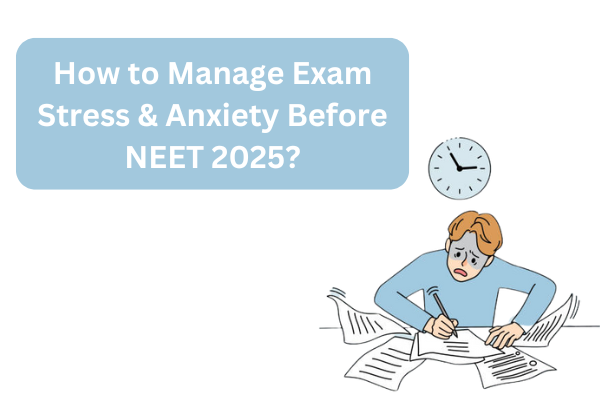

NEET Exam Stress Management Techniques: Preparation for the NEET exam is a difficult process that demands hard work and determination. But many students face NEET exam stress management issues, which can impact their performance. Stress and anxiety during exams are common because of high levels of expectations, extensive syllabi, and fear of failure. If not managed well, stress can cause inadequate concentration, poor retention of memory, and even physical problems.
The secret to stress management prior to NEET is embracing the correct techniques to remain focused and composed. Students must practice mindfulness, have a proper routine, and ensure their mental and physical well-being. Stress-relief methods, self-discipline, and proper planning can assist students in remaining confident. This blog will give NEET preparation mental health tips, stress relief methods for NEET, and tips on how to manage NEET pressure effectively.
Top Techniques for Stress and Anxiety Before NEET Exam
It is natural to feel nervous about the NEET exam, but stress has to be managed in order to remain focused and score well. Here are some proven ways to avoid anxiety and feel confident.
1. Follow a Realistic Study Plan
Developing a well-organised study plan enables you to complete the syllabus without feeling stressed. Rather than attempting to study everything at one time, break the syllabus into smaller chunks. Learning becomes simpler and retention better.
Study in concentrated periods of 45–50 minutes, followed by brief breaks to rest your mind. Create realistic and achievable daily and weekly goals. This will encourage you and minimise stress as you monitor your progress.
2. Practice Mindfulness and Relaxation Techniques
Mindfulness strategies such as meditation and diaphragmatic breathing can manage stress and enhance focus. A daily five-minute meditation will calm your mind and increase concentration.
Breathing exercises should come in handy if you become anxious before, or even after, the test. You could also listen to soothing music or short walks outdoors to calm the mind and make you more productive.
3. Use Visualization Techniques
Visualisation is an effective tool to overcome fear and build confidence. Close your eyes and picture yourself sitting in the exam hall, answering questions quietly and systematically. Visualise yourself remembering answers quickly and finishing the paper in time.
Mental practice can train your brain for the real exam and increase confidence. Visualising success decreases nervousness and strengthens faith in yourself.
4. Stay Away from Negative Thoughts
Negative thinking may enhance anxiety and reduce confidence. Do not overthink failure and concentrate on your preparation. If talking about your studies with other people causes you anxiety, restrict such discussions.
All people learn at different rates, so comparison with others is not productive. Instead, monitor your own progress and enjoy small successes. Keep positive people around you who motivate and support you.
Healthy Habits to Manage Stress Before NEET
Studying for NEET can be stressful, but healthy habits can keep your mind sharp, enhance concentration, and minimise anxiety.
1. Adopt a Healthy Lifestyle
Your brain requires good nutrition to perform efficiently, particularly during exam preparation. A balanced diet that includes brain-enhancing foods such as nuts, fruits, and green vegetables enhances memory and concentration. Avoid junk food because it makes you drowsy and lethargic. Keeping yourself hydrated is also crucial. Drink plenty of water during the day to make your mind alert and fresh.
2. Get Enough Sleep
Sleep deprivation can impair your memory and problem-solving skills. Make sure to sleep for a minimum of 7–8 hours each night. Refrain from studying late at night, particularly the night before the exam. A rested brain processes information quicker, enhances focus, and aids in making better decisions during the test.
3. Exercise Regularly
Exercise is the best stress reliever. You don’t require vigorous exercise; some stretching, a short walk, or even some jumping jacks are enough to get the blood pumping and invigorate your brain. Yoga too can be very helpful in sharpening focus and calming the nerves. Even a 15–20 minute workout daily can bring a remarkable difference in your level of energy.
4. Take Short Breaks
Long hours of studying with no breaks may cause fatigue and lower productivity. A 5–10 minute break each hour refreshes the mind and enhances concentration. Use the breaks to avoid your phone and not watch TV. Instead, take a quick walk, practice deep breathing, or simply close your eyes and rest.
How to Stay Calm During the NEET Exam?
It is normal to feel nervous during the test, but being calm can assist you in thinking rationally and doing your best.
1. Follow a Relaxation Routine
Deeply inhale and exhale to relax your nerves prior to the exam commencing. Stretch your fingers, shoulders, and neck to relax them. Doing some mindfulness or meditation for a few minutes before the test will also make you more focused and confident.
2. Read Questions Carefully
A lot of students err by hurrying through answers. Read every question twice to get it clearly before answering. If you find a question challenging, don’t worry—work on the simpler ones first and get back to it later. This will enable you to use time optimally and increase confidence.
3. Utilize Time Efficiently
Time management is important for NEET. Split the overall exam time into various parts and adhere to the schedule. Do not waste too much time on one question. If you feel a question is very challenging, mark it and move on. This will prevent you from wasting time and scoring as high as possible.
4. Positive and Confident
Self-doubt will raise stress and impact performance. Keep in mind that you are well prepared and believe in your capabilities. Think about your strengths rather than getting anxious about the tough questions. A positive attitude keeps you composed, thinks rationally, and delivers your best.
Last-Minute Tips for NEET Exam Stress Management Techniques
- Revise key formulas and concepts instead of starting new topics.
- Do light revision instead of studying intensely before the exam.
- Keep your exam essentials ready (admit card, pens, water bottle).
- Avoid discussing questions after the exam to prevent stress.
- Take a good night’s sleep before exam day for a fresh mind.