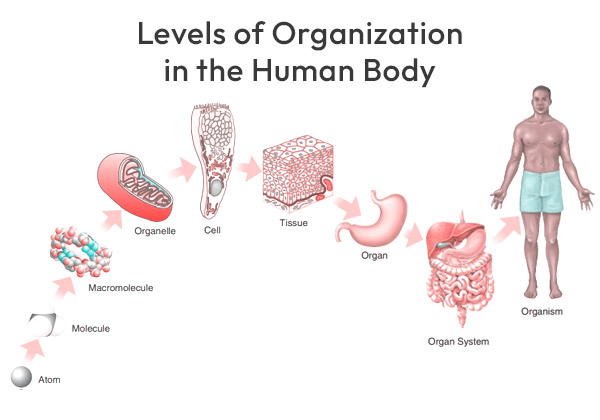

The human body is an intricate and highly organized system, structured in a hierarchical manner. Each level of organization builds upon the previous one, working together to sustain life and maintain health. Understanding these levels is fundamental to the study of human biology and medicine.
In this blog, we will delve into each level of organization in detail, exploring their interconnection, their benefits and much more. By understanding these levels, we gain a deeper appreciation for the complexity of life and the remarkable mechanisms that sustain it.
Anatomy of a Human Body
The human body is a complex structure made up of different systems that work together to keep us alive and healthy.
- The skeletal system provides the framework, giving our body shape and protecting our organs. Muscles attached to bones help us move.
- Our cardiovascular system, which includes the heart and blood vessels, pumps blood throughout the body, delivering oxygen and nutrients to tissues.
- The respiratory system, with the lungs and airways, brings in oxygen and removes carbon dioxide.
- The digestive system breaks down food so our body can absorb nutrients, and the urinary system removes waste products.
- The nervous system, consisting of the brain, spinal cord, and nerves, controls all our body functions and allows us to respond to our environment.
- The endocrine system includes glands that produce hormones to regulate processes like growth and metabolism.
- The lymphatic and immune systems protect us from infections and diseases.
- Lastly, the skin, part of the integumentary system, protects our body, regulates temperature, and allows us to sense touch.
All these systems work together in harmony to maintain health and support life.
7 Levels of Organization in the Human Body
Chemical Level
Atoms and Molecules
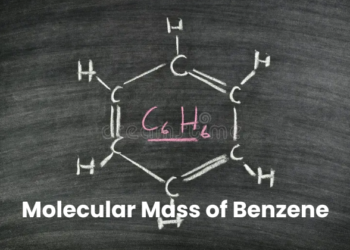
The chemical level is the simplest level of organization, consisting of atoms and molecules. Atoms, such as carbon, hydrogen, oxygen, and nitrogen, are the building blocks of matter. These atoms combine to form molecules, which are essential for various biological processes. For instance, water (H₂O), carbon dioxide (CO₂), and glucose (C₆H₁₂O₆) are crucial molecules in human physiology.
Macromolecules
Molecules can combine to form macromolecules, which include proteins, nucleic acids (DNA and RNA), lipids, and carbohydrates. These macromolecules play critical roles in the structure and function of cells. For example, proteins act as enzymes, structural components, and signaling molecules, while nucleic acids store and transmit genetic information.
Cellular Level
Cells
Cells are the basic units of life, capable of performing all vital functions. Each cell contains various organelles, such as the nucleus (which houses DNA), mitochondria (powerhouses of the cell), endoplasmic reticulum (site of protein and lipid synthesis), and others, each contributing to the cell’s survival and function.
Cell Types
The human body consists of numerous cell types, each specialized for specific functions. Examples include muscle cells, nerve cells, blood cells, and epithelial cells. These cells work individually and collectively to maintain homeostasis and support life processes.
Tissue Level
Groups of similar cells that perform a common function form tissues. There are four primary types of tissues in the human body:
- Epithelial Tissue: Covers body surfaces and lines cavities, protecting the body and allowing for absorption, secretion, and sensation.
- Connective Tissue: Provides support, protection, and insulation, and includes bone, blood, and adipose tissue.
- Muscle Tissue: Facilitates movement through contraction and includes skeletal, cardiac, and smooth muscle.
- Nervous Tissue: Transmits electrical impulses, coordinating and controlling body activities, and is composed of neurons and glial cells.
Organ Level
An organ is a structure composed of at least two different types of tissues that work together to perform specific functions. Examples include the heart, lungs, liver, kidneys, and brain. Each organ has a unique role, contributing to the body’s overall function. For instance, the heart pumps blood, the lungs facilitate gas exchange, and the brain processes information and controls activities.
Organ System Level
Organ systems consist of groups of organs that work together to accomplish a common purpose. There are 11 major organ systems in the human body:
- Integumentary System: Protects the body, regulates temperature, and provides sensory information (skin, hair, nails).
- Skeletal System: Supports and protects organs, provides a framework for muscle attachment, and produces blood cells (bones, cartilage, ligaments).
- Muscular System: Allows for movement, posture, and heat production (skeletal muscles, tendons).
- Nervous System: Controls and coordinates body activities, processes sensory information (brain, spinal cord, nerves).
- Endocrine System: Regulates bodily functions through hormones (glands such as the thyroid, adrenal, and pancreas).
- Cardiovascular System: Transports nutrients, gasses, hormones, and wastes (heart, blood vessels).
- Lymphatic/Immune System: Defends against infection and disease, returns tissue fluids to the bloodstream (lymph nodes, lymphatic vessels, spleen).
- Respiratory System: Facilitates gas exchange, supplies oxygen, and removes carbon dioxide (lungs, trachea, bronchi).
- Digestive System: Breaks down food, absorbs nutrients, and eliminates waste (stomach, intestines, liver, pancreas).
- Urinary System: Removes waste products, regulates water and electrolyte balance (kidneys, bladder, ureters, urethra).
- Reproductive System: Produces sex cells and hormones, supports embryonic development (ovaries, testes, uterus).
Organism Level
At the highest level of organization is the organism itself, a living human being. All the organ systems work in harmony to maintain a stable internal environment (homeostasis) and support life. The human body is an incredible example of biological complexity, with each level of organization playing a crucial role in sustaining life and health.
Levels of Organization in the Human Body FAQs
Q1. What are the levels of organization in the human body?
Answer: The 7 levels of organization in the human body are:
Chemical Level: Atoms and molecules, such as DNA and proteins.
Cellular Level: Cells, which are the basic units of life.
Tissue Level: Groups of similar cells working together, including epithelial, connective, muscle, and nervous tissues.
Organ Level: Different tissues working together to perform specific functions, such as the heart or lungs.
Organ System Level: Groups of organs that work together to perform complex functions, like the digestive or respiratory systems.
Organismal Level: The entire human body functioning as a whole.
Q2. What is the importance of the cellular level in the human body?
Answer: The cellular level is crucial because cells are the basic units of life, performing essential functions necessary for survival and forming the foundation for higher levels of organization.
Q3. What are some examples of organ systems in the human body and their functions?
Answer: Examples of organ systems include the circulatory system (transports blood and nutrients), the respiratory system (exchanges oxygen and carbon dioxide), and the nervous system (controls body activities and responses).
Q4. What are the key differences between tissues and organs?
Answer: Tissues are groups of similar cells working together, while organs are structures made up of different tissues that perform specific functions. For example, the heart (organ) is composed of muscle tissue, connective tissue, and nerve tissue.
Q5. How do diseases at the organ level affect the human body?
Answer: Diseases at the organ level, such as heart disease or liver disease, can disrupt the function of the organ and its interactions with other systems, leading to widespread health issues and impacting the body's overall homeostasis.