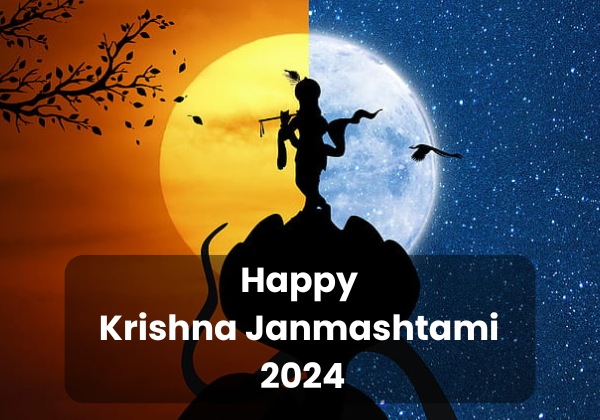

Krishna Janmashtami, also known as Gokulashtami, is a widely celebrated Hindu festival that marks the birth of Lord Krishna, one of the most revered deities in Hinduism. Celebrated on the eighth day (Ashtami) of the dark fortnight in the month of Bhadrapada (August-September), this festival holds immense cultural and religious significance. It is a day of joy, devotion, and celebration, particularly for children and students who participate in various activities, rituals, and performances dedicated to Lord Krishna.
The Significance of Krishna Janmashtami
Krishna Janmashtami is not just a celebration of Lord Krishna’s birth but also a commemoration of his divine life and teachings. Lord Krishna is considered the eighth incarnation of Lord Vishnu, the preserver in the Hindu Trinity. His life story, as depicted in the epic Mahabharata and other ancient scriptures like the Bhagavad Gita, is a source of inspiration and guidance for millions of people. Krishna’s teachings emphasize the importance of righteousness, duty, and devotion, and his playful yet profound persona continues to captivate the hearts of devotees worldwide.
| Aspect | Description |
|---|---|
| Date | Eighth day of the dark fortnight in Bhadrapada (August-September) |
| Significance | Birth of Lord Krishna, an incarnation of Lord Vishnu |
| Rituals | Fasting, singing devotional songs, decorating homes and temples, reenactments of Krishna’s life |
| Celebration Locations | India, Nepal, and among Hindu communities worldwide |
| Key Themes | Devotion, duty, righteousness, love, and compassion |
The Legend of Lord Krishna’s Birth
According to Hindu mythology, Lord Krishna was born over 5,000 years ago in a prison cell in Mathura, to Devaki and Vasudeva. His birth was no ordinary event; it was a divine occurrence that fulfilled a prophecy. Devaki’s brother, King Kansa, was a tyrant who ruled Mathura with an iron fist. A prophecy foretold that Kansa would be killed by Devaki’s eighth son. Fearing for his life, Kansa imprisoned Devaki and Vasudeva and killed their first six children. However, when Krishna was born, the divine powers ensured that he was safely transferred to the home of Nanda and Yashoda in Gokul, where he grew up.
Krishna’s childhood is filled with enchanting stories of his mischief, bravery, and divine interventions. From his playful antics of stealing butter to his miraculous deeds like lifting the Govardhan Hill, Krishna’s early life serves as a reminder of the divine playfulness and the ultimate triumph of good over evil.
How Krishna Janmashtami is Celebrated
The celebration of Krishna Janmashtami is a grand affair, especially in regions like Mathura, Vrindavan, and Dwaraka, which are closely associated with Krishna’s life. However, the festival is also celebrated with equal fervor across India and in Hindu communities worldwide.
- Fasting and Prayer: Devotees observe a fast throughout the day, which is broken only after the midnight puja (ritual worship) when Lord Krishna is believed to have been born. The fast is often strict, with many people consuming only fruits and milk.
- Midnight Celebrations: The most significant part of the celebration takes place at midnight, the exact time when Krishna is believed to have been born. Temples and homes are beautifully decorated, and images or idols of Krishna are placed in cradles, symbolizing his birth. Devotees sing bhajans (devotional songs), chant mantras, and offer prayers.
- Jhankis and Raas Leela: Jhankis are tableau representations of scenes from Krishna’s life. These are displayed in homes and temples, depicting various stages of his life, such as his birth, childhood pranks, and his role in the Mahabharata. Raas Leela, the traditional dance drama, is performed to reenact Krishna’s playful interactions with the gopis (milkmaids) of Vrindavan.
- Dahi Handi: In Maharashtra and other parts of India, the Dahi Handi event is a major attraction. It involves forming human pyramids to reach and break an earthen pot filled with curd, butter, and other goodies, hung at a considerable height. This tradition symbolizes Krishna’s love for butter and his mischievous nature of stealing it from his mother’s kitchen.
- Community Feasts: After the midnight rituals, prasad (consecrated food) is distributed among devotees. Many temples and communities organize feasts where people come together to enjoy a meal, celebrating the divine blessings of Krishna.
| Ritual | Description |
|---|---|
| Fasting | Observed by devotees throughout the day, broken after midnight puja |
| Midnight Puja | Celebrates the birth of Krishna with prayers, bhajans, and rituals |
| Jhankis | Tableau representations of Krishna’s life scenes |
| Raas Leela | Traditional dance-drama depicting Krishna’s interactions with the gopis |
| Dahi Handi | Human pyramids formed to break a pot filled with butter and other goodies |
| Community Feasts | Prasad distribution and communal meals following the midnight celebrations |
Krishna Janmashtami in Different Regions
While the core essence of Krishna Janmashtami remains the same, the way it is celebrated varies across different regions of India. Each region brings its unique flavor to the festival, reflecting the local culture and traditions.
- Mathura and Vrindavan: These two cities, deeply associated with Krishna’s life, see the most elaborate celebrations. Temples are adorned with flowers and lights, and thousands of devotees throng to these holy cities to witness the grand festivities.
- Gujarat: In Dwarka, the city where Krishna is believed to have established his kingdom, the Janmashtami celebrations are marked by grand processions, devotional singing, and dramatic reenactments of Krishna’s life.
- Maharashtra: The Dahi Handi tradition is most popular in Maharashtra. Young men, known as Govindas, form human pyramids to break the Handi, celebrating Krishna’s love for butter.
- South India: In Tamil Nadu and Karnataka, the festival is known as Gokulashtami. Here, homes are decorated with footprints made of rice flour, symbolizing the arrival of the child Krishna. Temples hold special prayers and cultural programs.
- North-East India: In states like Manipur, the festival is celebrated with traditional dances and music, reflecting the region’s rich cultural heritage.
| Region | Unique Traditions |
|---|---|
| Mathura & Vrindavan | Grand temple decorations, processions, and rituals |
| Gujarat | Processions in Dwarka, reenactments of Krishna’s life, and temple celebrations |
| Maharashtra | Dahi Handi, human pyramids formed to break the pot of butter |
| South India | Footprint decorations in homes, special prayers, and cultural programs |
| North-East India | Traditional dances and music performances, reflecting the local cultural heritage |
The Educational Value of Krishna Janmashtami
For students and children, Krishna Janmashtami is not just a religious festival but also an educational experience. It offers valuable lessons in history, culture, and spirituality. The stories of Krishna’s life teach important moral values such as honesty, courage, and devotion. Additionally, participating in the various rituals and activities associated with the festival helps children understand and appreciate their cultural heritage.
Krishna Janmashtami also encourages creativity and artistic expression among students. Schools often organize competitions like drawing, essay writing, and performances based on Krishna’s life, which allow children to explore and showcase their talents.
Modern-Day Celebrations and Digital Festivities
In recent years, Krishna Janmashtami celebrations have adapted to the digital age. With the advent of technology, many devotees now participate in virtual celebrations, especially in times of social distancing. Online pujas, virtual Jhankis, and digital Raas Leela performances have become common, allowing people to celebrate the festival from the comfort of their homes.
Social media platforms are abuzz with Krishna Janmashtami wishes, images, and videos, spreading the festive spirit far and wide. Many temples also live-stream their midnight celebrations, enabling devotees worldwide to join in the worship.
Table: Traditional vs. Modern-Day Krishna Janmashtami Celebrations
| Aspect | Traditional Celebrations | Modern-Day Celebrations |
|---|---|---|
| Puja and Rituals | Conducted in temples and homes with family and community | Online pujas and live-streaming of temple rituals |
| Jhankis and Raas Leela | Performed live in temples and communities | Digital performances shared via social media and streaming platforms |
| Dahi Handi | Human pyramids formed in public spaces | Virtual Dahi Handi competitions and online events |
| Community Involvement | Gatherings in temples, homes, and public spaces | Virtual gatherings and celebrations via video calls and online |
The Spiritual Significance of Krishna Janmashtami
Krishna Janmashtami holds deep spiritual significance for devotees. Lord Krishna, as depicted in the Bhagavad Gita, represents the divine essence and eternal truth. His teachings provide guidance on living a righteous life and understanding one’s true self. Celebrating Krishna Janmashtami is more than commemorating his birth; it is an opportunity for spiritual reflection and renewal. Devotees use this time to strengthen their connection with the divine and seek blessings for themselves and their families.
Key Aspects of Spiritual Significance:
- Devotion (Bhakti): Krishna Janmashtami emphasizes the importance of devotion and surrender to the divine. The festival inspires devotees to cultivate a deeper connection with Krishna and to embody the principles of love and humility in their daily lives.
- Righteousness (Dharma): Lord Krishna’s life is a model of dharma, or righteous living. His actions and teachings encourage followers to uphold ethical values and perform their duties with integrity and dedication.
- Self-Realization: Krishna’s teachings in the Bhagavad Gita focus on self-realization and understanding one’s true nature. The festival serves as a reminder to explore one’s inner self and strive for spiritual enlightenment.
| Aspect | Description |
|---|---|
| Devotion (Bhakti) | Emphasizes surrendering to the divine and fostering a deep, personal connection with Krishna |
| Righteousness (Dharma) | Encourages living according to ethical values and performing duties with integrity |
| Self-Realization | Focuses on exploring one’s inner self and seeking spiritual enlightenment |
Activities and Crafts for Students on Krishna Janmashtami
Krishna Janmashtami offers a great opportunity for students to engage in creative and educational activities. Teachers and parents can organize various crafts and projects that help children learn about the festival while having fun.
- Krishna Masks and Costumes: Students can make and decorate masks and costumes depicting Lord Krishna. This activity can be part of a larger event where children dress up as Krishna and his devotees, reenacting scenes from his life.
- Janmashtami Decorations: Crafting decorations like paper lotuses, flower garlands, and Krishna-themed posters allows children to get creative while learning about the significance of these symbols.
- Storytelling Sessions: Organizing storytelling sessions where students narrate the life and miracles of Krishna can help them understand and appreciate his teachings. This can also be done through skits and plays.
- Drawing and Painting Competitions: Schools can hold drawing and painting competitions focused on Krishna’s life and the festival’s celebrations. This helps students express their artistic skills and learn about Krishna in a fun way.
- Cooking and Food Projects: Students can participate in cooking sessions to prepare traditional prasad (offering) like sweets and snacks associated with Krishna Janmashtami. This activity introduces them to the culinary traditions of the festival.
| Activity | Description |
|---|---|
| Krishna Masks and Costumes | Making and decorating masks and costumes of Lord Krishna and his devotees |
| Janmashtami Decorations | Crafting paper lotuses, flower garlands, and Krishna-themed posters |
| Storytelling Sessions | Narrating stories or performing skits about Krishna’s life and miracles |
| Drawing and Painting | Organizing competitions focused on Krishna’s life and festival celebrations |
| Cooking and Food Projects | Preparing traditional prasad and learning about festival-related culinary traditions |
The Global Impact of Krishna Janmashtami
Krishna Janmashtami is not only celebrated in India but also has a significant global presence. Hindu communities across the world commemorate this festival, reflecting the widespread reverence for Lord Krishna.
- In the United States and Europe: Krishna Janmashtami is celebrated in major cities with vibrant festivities including cultural programs, bhajans, and community feasts. Temples and Hindu organizations often host events that attract large crowds, providing an opportunity for cultural exchange and understanding.
- In Asia: Countries like Nepal and Sri Lanka also celebrate Krishna Janmashtami with fervor. In Nepal, the festival is known as Krishna Janmastami, and similar rituals and festivities are observed as in India. In Sri Lanka, the celebration involves community gatherings and devotional activities.
- In Other Parts of the World: Hindu communities in countries such as Canada, Australia, and South Africa celebrate Krishna Janmashtami by organizing events that include traditional music, dance performances, and educational programs about Krishna’s teachings.
| Region | Celebration Highlights |
|---|---|
| United States & Europe | Cultural programs, bhajans, community feasts, and temple events |
| Nepal | Krishna Janmastami celebrations with rituals similar to those in India |
| Sri Lanka | Community gatherings and devotional activities |
| Canada, Australia, South Africa | Traditional music, dance performances, and educational programs about Krishna’s teachings |
Krishna Janmashtami is a festival that transcends geographical boundaries and resonates with people of all ages. For students and children, it offers a chance to connect with their cultural heritage, learn valuable life lessons, and participate in joyous celebrations. Whether through traditional rituals, creative activities, or modern adaptations, Krishna Janmashtami remains a vibrant and cherished occasion that continues to inspire and uplift individuals across the globe.
The festival’s diverse celebrations reflect the universal values of devotion, righteousness, and spiritual growth that Krishna embodies. As we commemorate the birth of this divine figure, we also embrace the teachings and stories that have shaped the lives of millions and continue to guide us toward a more enlightened and compassionate world.
Krishna Janmashtami FAQs
1. What is the significance of Krishna Janmashtami for students?
Krishna Janmashtami holds significant educational value for students as it offers an opportunity to learn about Hindu culture, mythology, and the teachings of Lord Krishna. Through various activities and celebrations, students can explore Krishna’s life, his role in the Mahabharata, and his teachings on duty and righteousness. Engaging in activities like storytelling, arts and crafts, and cultural performances helps students appreciate their cultural heritage and gain valuable insights into moral and ethical values.
2. Can students participate in Krishna Janmashtami celebrations at school?
Yes, many schools organize special events and activities to celebrate Krishna Janmashtami. These may include decorations, costume competitions, storytelling sessions, and cultural performances. Students often participate in reenactments of Krishna’s life, prepare traditional foods, and engage in creative projects related to the festival. Such activities not only make the celebration enjoyable but also provide educational value by helping students learn about Krishna’s teachings and cultural significance.
3. How can students prepare for Krishna Janmashtami celebrations?
Students can prepare for Krishna Janmashtami by participating in various pre-festival activities. This may include creating decorations for the classroom or home, rehearsing for performances or skits, and learning about the significance of the festival. Additionally, students can engage in arts and crafts projects like making Krishna masks or drawing scenes from his life. Preparing traditional sweets or participating in community service related to the festival can also be part of the preparation.
4. What are some traditional activities students can participate in during Krishna Janmashtami?
Students can engage in several traditional activities during Krishna Janmashtami, such as:
Costume Competitions: Dressing up as Krishna or his devotees and participating in costume contests.
Jhankis (Tableaus): Creating and displaying tableau representations of Krishna’s life and miracles.
Raas Leela: Performing traditional dance dramas depicting Krishna’s playful interactions with the gopis.
Storytelling: Narrating stories from Krishna’s life or participating in skits that highlight his teachings and miracles.
Crafts and Decorations: Making Krishna-themed decorations, including flower garlands, posters, and cradles.
5. How does Krishna Janmashtami foster cultural understanding among students?
Krishna Janmashtami fosters cultural understanding among students by providing a platform to explore and appreciate Hindu traditions, values, and mythology. Through participation in festival activities and learning about Krishna’s life and teachings, students gain a deeper understanding of cultural practices and religious beliefs. This exposure helps them appreciate diversity and fosters respect for different cultural and religious traditions, promoting a sense of inclusivity and global awareness.