HDU Full Form in Medical: When it comes to hospital care, patients are treated in different units based on the severity of their condition. One such critical unit is the HDU (High Dependency Unit), which plays a vital role in bridging the gap between general wards and intensive care. But what exactly does HDU mean in the medical field, and how does it function?
This blog will explore:
- The full form and meaning of HDU
- Key features of a High Dependency Unit
- How HDU differs from ICU
- Conditions that require HDU admission
- The importance of HDU in patient recovery
What is the HDU Full Form in Medical?
HDU stands for High Dependency Unit. It is a specialized medical ward designed for patients who need more intensive monitoring and care than a general ward can provide but do not require the advanced life support systems of an Intensive Care Unit (ICU).
Purpose of HDU:
- Provides intermediate-level care for patients who are stable but still at risk.
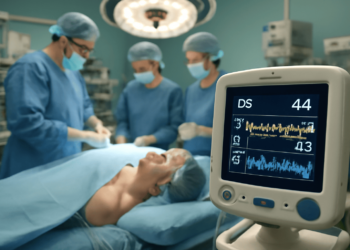
- Ensures close monitoring of vital signs (heart rate, blood pressure, oxygen levels).
- Acts as a step-down unit for patients transitioning from ICU to a general ward.
- Supports patients who need non-invasive ventilation (e.g., CPAP or BiPAP) or frequent medical interventions.
Who Manages the HDU?
- Specialized nurses with training in critical care.
- Doctors who regularly assess patient progress.
- Respiratory therapists (if oxygen support is needed).
Key Features of an HDU
HDUs provide specialized care with close patient monitoring. Here are some benefits of HDU , such as:
1. Advanced Monitoring Systems
-
Continuous tracking of heart rate, blood pressure, oxygen saturation, and other vital signs.
-
Cardiac monitors and pulse oximeters are commonly used.
2. Higher Nurse-to-Patient Ratio
-
Unlike general wards (where one nurse may handle multiple patients), HDUs have one nurse for every 2-4 patients, ensuring better attention.
3. Specialized Medical Equipment
-
Oxygen support (nasal cannula, masks, or non-invasive ventilation).
-
IV medications for pain management or infection control.
-
Drainage tubes and catheters for post-surgical patients.
4. Patient Eligibility
-
Patients admitted to HDU are not in critical condition but still require close observation.
-
Common cases include:
-
Post-operative recovery (e.g., after major heart or lung surgery).
-
Severe infections (e.g., pneumonia, sepsis in early recovery).
-
Chronic illness flare-ups (e.g., COPD exacerbation).
-
Difference Between HDU and ICU
While both HDUs and ICUs cater to patients needing critical care, there are key differences:
| Aspect | HDU (High Dependency Unit) | ICU (Intensive Care Unit) |
|---|---|---|
| Level of Care | Intermediate (between general ward & ICU) | Highest level (life support) |
| Patient Condition | Stable but needs frequent monitoring | Unstable, critical, or on life support |
| Staff Ratio | 1 nurse for 2-4 patients | 1 nurse for 1-2 patients |
| Equipment | Basic ventilators, oxygen support | Ventilators, ECMO, dialysis machines |
| Admission Reason | Recovery from surgery, moderate illness | Severe trauma, organ failure, coma |
When is a Patient Moved from ICU to HDU?
-
When they no longer need a ventilator but still require oxygen.
-
When vital signs are stable but need close supervision.
-
When stepping down from critical care before going to a general ward.
When is a Patient Admitted to HDU?
Patients are usually transferred to HDU in the following situations:
1. Post-Surgical Recovery
-
After major surgeries (e.g., heart bypass, neurosurgery, organ transplants).
-
Patients who need pain management and wound care.
2. Severe Infections
-
Pneumonia, sepsis, or other infections needing IV antibiotics and monitoring.
3. Respiratory Conditions
-
COPD exacerbations, asthma attacks, or patients needing BiPAP/CPAP support.
4. Cardiac Monitoring
-
Patients recovering from a heart attack or arrhythmia.
5. Neurological Cases
-
Stroke patients who are stable but need observation.
Why is HDU Important in Hospitals?
-
Reduces ICU Burden – Helps free up ICU beds for more critical patients.
-
Smooth Transition for Recovery – Acts as a bridge between ICU and general wards.
-
Better Patient Outcomes – Prevents complications through close monitoring.
-
Cost-Effective Care – Less expensive than ICU but more attentive than general wards.
Conclusion
The High Dependency Unit (HDU) is a crucial part of hospital care, providing intermediate-level medical attention for patients who are too sick for a general ward but not critical enough for the ICU. With specialized staff, advanced monitoring, and a higher level of care, HDUs ensure smoother recoveries for post-surgical patients, those with severe infections, and individuals with chronic illnesses.
Understanding the role of HDU helps patients and families know what to expect during hospitalization and reassures them that their loved ones are in good hands.