
Raksha Bandhan, often abbreviated as Rakhi, is a traditional Hindu festival that celebrates the special bond between brothers and sisters. This festival, whose name translates to “the bond of protection,” is observed with great enthusiasm across India and among Indian communities worldwide. It embodies the essence of sibling relationships, characterized by love, trust, and mutual respect.
Raksha Bandhan History and Cultural Significance
Raksha Bandhan traces its origins to ancient Indian traditions and has evolved through various legends and historical accounts. The festival typically falls on the full moon day of the Hindu month of Shravana (July-August). Here’s a glimpse into its historical significance:
| Legend | Details |
| Legend of King Bali and Goddess Lakshmi | According to one legend, Goddess Lakshmi tied a rakhi around King Bali’s wrist to ensure her husband’s safety and to protect Bali from harm. In return, King Bali promised not to harm her husband. |
| Story of Yama and Yamuna | Another popular legend is about Yama (the god of death) and his sister Yamuna. Yamuna tied a rakhi around Yama’s wrist, which he promised to visit her every year. This legend symbolizes the protection and care that siblings offer each other. |
| The Legend of Draupadi | The epic Mahabharata features a tale where Draupadi, the wife of the Pandavas, tied a rakhi around Lord Krishna’s wrist. In return, Krishna protected her during the disrobing incident in the court of Hastinapura. |
Raksha Bandhan Rituals and Customs
Raksha Bandhan is marked by several rituals and customs, varying slightly by region but maintaining a core theme of sibling affection and protection. Here’s a typical outline of the Raksha Bandhan celebrations:
| Ritual | Description |
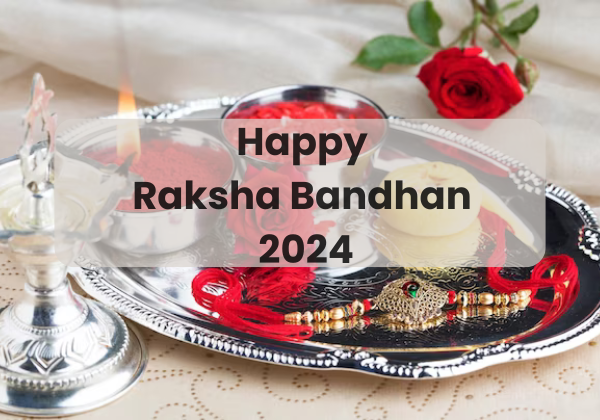
| Preparation of Rakhi | Sisters prepare a special thread known as ‘rakhi,’ decorated with colorful threads, beads, and embellishments. |
| Pooja Ceremony | On the day of Raksha Bandhan, sisters perform a pooja (ritualistic worship) for their brothers, applying a tilak (red mark) on their foreheads, and tying the rakhi around their wrists. |
| Exchange of Gifts | Brothers reciprocate by giving gifts to their sisters as a token of their love and appreciation. Gifts can range from money to jewelry, clothes, or personalized items. |
| Feast and Celebration | Families come together to enjoy festive meals, sweets, and snacks, sharing the joy and celebration of the festival. |
Modern Observances of Raksha Bandhan
While Raksha Bandhan traditionally celebrates the bond between brothers and sisters, modern interpretations have expanded to include cousins, friends, and even individuals who share a close relationship. The festival has also adapted to contemporary practices:
- Digital Rakhi: With the rise of digital communication, many people now send virtual rakhi images or e-cards to their siblings living far away.
- Social Media Celebrations: Social media platforms have become a space for people to share their Raksha Bandhan celebrations, exchange wishes, and post pictures.
- Inclusive Celebrations: The festival now often includes a broader range of relationships, recognizing the importance of various forms of bonding and affection.
Raksha Bandhan Significance in Today’s World
Raksha Bandhan continues to be a significant festival, fostering a sense of familial unity and cultural continuity. Its importance transcends religious and cultural boundaries, serving as a reminder of the values of protection, loyalty, and unconditional love. In today’s world, where family dynamics and societal norms are constantly evolving, Raksha Bandhan remains a cherished occasion to celebrate the unique bonds that tie individuals together.
| Aspect | Details |
| Emotional Significance | Raksha Bandhan reinforces emotional bonds between siblings and close family members. |
| Cultural Continuity | The festival serves as a means of preserving and passing on traditional values and practices. |
| Modern Adaptations | The celebration has adapted to contemporary contexts, including digital and social media platforms. |
Raksha Bandhan is much more than a festival; it is a celebration of the deep and meaningful relationships that enrich our lives. It offers an opportunity to express love and gratitude, strengthen familial bonds, and honor the timeless tradition of protection and care between siblings. Whether through traditional ceremonies or modern practices, Raksha Bandhan continues to be a joyous occasion that brings people closer and upholds the values of affection and solidarity.
100 Word Essay on Raksha Bandhan
Raksha Bandhan, a cherished Indian festival, celebrates the bond between brothers and sisters. Held annually on the full moon day of Shravan, it symbolizes the love and protection siblings provide each other. Sisters tie a sacred thread, or “rakhi,” around their brothers’ wrists, who, in turn, vow to protect them. The festival is marked by joyous gatherings, the exchange of gifts, and the sharing of sweets. Raksha Bandhan strengthens familial ties and reflects the cultural value of sibling relationships, making it a heartfelt occasion that reinforces bonds of love and security.
200 Word Essay on Raksha Bandhan
Raksha Bandhan, celebrated on the full moon day of Shravan, is a significant Indian festival that highlights the special bond between brothers and sisters. The festival, which translates to “the bond of protection,” is observed with great enthusiasm across the country. Sisters prepare for the occasion by tying a rakhi, a sacred thread, around their brothers’ wrists, symbolizing their affection and prayers for their well-being. In return, brothers pledge to protect their sisters from any harm and offer gifts as a token of their love and gratitude.
The celebration typically involves a festive atmosphere, with families coming together to share meals, sweets, and gifts. The rakhi ceremony is not only a ritual but also an expression of the deep emotional connection and mutual respect between siblings. Raksha Bandhan transcends regional and cultural boundaries, embodying values of loyalty, care, and support. It reinforces the essence of family unity and the cherished relationship between brothers and sisters. This festival fosters a sense of togetherness and reminds everyone of the importance of maintaining strong familial bonds.
500 Word Essay on Raksha Bandhan
Raksha Bandhan is a widely celebrated Indian festival that honors the bond between brothers and sisters, embodying values of protection, love, and familial solidarity. Held annually on the full moon day of Shravan, this vibrant festival is a significant cultural event that strengthens sibling relationships and celebrates the essence of family.
The origins of Raksha Bandhan can be traced back to various mythological stories and historical events. In one legend, the festival is associated with the tale of Lord Krishna and Draupadi from the Mahabharata. According to the story, Draupadi tied a piece of cloth around Krishna’s wrist to stop his bleeding, and in return, Krishna promised to protect her. This promise symbolizes the protective bond that Raksha Bandhan celebrates.
On the day of Raksha Bandhan, sisters prepare a special ritual that involves tying a rakhi, or sacred thread, around their brothers’ wrists. The rakhi is adorned with colorful threads, beads, and sometimes embellishments, representing the sister’s love and prayers for her brother’s well-being. The act of tying the rakhi is accompanied by a ritualistic puja, where sisters offer sweets and perform an aarti, a traditional form of worship involving light.
In return, brothers promise to safeguard their sisters and provide support whenever needed. They offer gifts, which can range from simple tokens to elaborate presents, as a gesture of their appreciation and commitment. The exchange of gifts symbolizes the mutual respect and affection that define their relationship.
Raksha Bandhan is not just a familial ritual but a celebration that fosters unity and togetherness. Families come together to celebrate this special day, sharing festive meals, sweets, and engaging in joyous activities. The festival serves as a reminder of the importance of nurturing sibling relationships and maintaining strong family ties.
In modern times, while the essence of Raksha Bandhan remains unchanged, the way it is celebrated has evolved. Urbanization and globalization have introduced new practices, such as exchanging digital rakhi and gifts, yet the core values of love, protection, and familial bond continue to be central to the celebration. The festival also highlights the importance of cultural traditions in preserving familial and societal values.
Raksha Bandhan transcends regional and cultural boundaries, embodying universal themes of loyalty, care, and support. It is a heartfelt occasion that reinforces the significance of sibling relationships and reminds individuals of the importance of family. By celebrating Raksha Bandhan, families not only honor their traditions but also strengthen the bonds that keep them united, making it a cherished and meaningful festival for all.
Raksha Bandhan FAQs
Que: What is Raksha Bandhan?
Ans: Raksha Bandhan is a traditional Indian festival that celebrates the bond between brothers and sisters. On this day, sisters tie a rakhi (a sacred thread) on their brothers' wrists, symbolizing love and protection.
Que: When is Raksha Bandhan celebrated?
Ans: Raksha Bandhan is celebrated on the full moon day of the Hindu month of Shravan, usually falling in August. The exact date varies each year based on the lunar calendar.
Que: What is the significance of Raksha Bandhan?
Ans: The festival signifies the love and duty between siblings. It is a day when brothers pledge to protect their sisters, and sisters pray for their brothers' well-being and prosperity.
Que: Can Raksha Bandhan be celebrated between siblings who are not biologically related?
Ans: Yes, Raksha Bandhan is not limited to biological siblings. It can be celebrated between any two individuals who share a brother-sister-like bond, symbolizing mutual love and protection.
Que: What are some traditional gifts exchanged on Raksha Bandhan?
Ans: Traditionally, brothers give gifts to their sisters after the rakhi is tied. Common gifts include sweets, clothing, jewelry, or money, but the choice of gift can vary based on personal preferences and modern trends.