
What is Full Form of GNM?
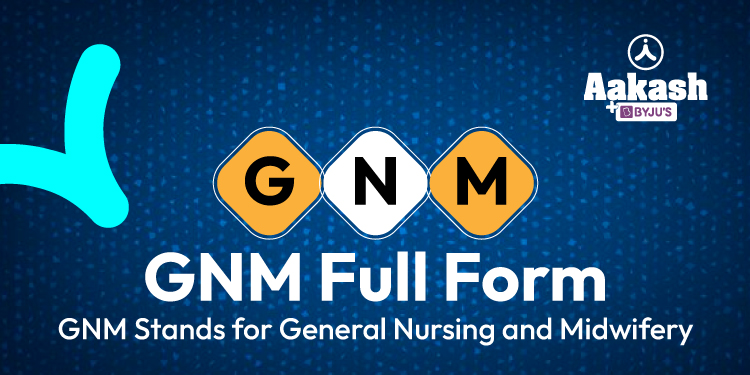
GNM Full Form: GNM Stands for General Nursing and Midwifery – General Nursing and Midwifery (GNM) is a prominent nursing program designed to equip individuals with the necessary skills and knowledge to provide comprehensive healthcare services. GNM is a diploma course that focuses on nurturing qualified nursing professionals who can cater to the healthcare needs of patients across various settings.
The GNM program is aimed at training individuals in the art and science of nursing, enabling them to provide quality care to individuals, families, and communities. It covers a wide range of subjects, including anatomy, physiology, psychology, microbiology, pharmacology, and nutrition. The curriculum also emphasizes specialized areas such as maternal and child health, community health nursing, medical-surgical nursing, and psychiatric nursing.
The duration of the GNM course varies from country to country, but generally, it spans a period of three to four years. The program comprises both theoretical and practical training, allowing students to gain hands-on experience in different healthcare settings. During their training, GNM students are exposed to clinical rotations in hospitals, community health centers, and other healthcare facilities, where they work under the supervision of experienced nursing professionals.
Upon successful completion of the GNM program, graduates are eligible to pursue a career as registered nurses or midwives. They can find employment opportunities in various healthcare settings, including hospitals, clinics, nursing homes, community health centers, and home healthcare services. GNM professionals play a crucial role in providing patient care, administering medications, assisting in surgeries, monitoring vital signs, and supporting the overall well-being of patients.
In addition to the technical skills acquired during their training, GNM graduates develop excellent communication and interpersonal skills, which are essential for building strong relationships with patients and their families. They learn to provide emotional support, educate patients about healthcare practices, and promote preventive care to enhance the overall health and well-being of individuals and communities.
The GNM program serves as a stepping stone for further education and specialization in nursing. Many GNM graduates opt to pursue higher education, such as Bachelor of Science in Nursing (B.Sc Nursing), Master of Science in Nursing (M.Sc Nursing), or other advanced nursing programs. These advanced degrees open up opportunities for leadership roles, research, teaching, and specialized areas of nursing practice.
Full Form List
| UPSC Full Form | SIM Full Form |
| PDF Full Form | CPR Full Form |
| CV Full Form | NTPC Full Form |
| HTTP Full Form | COMPUTER Full Form |
| NEET Full Form | NATO Full Form |
GNM FAQs
What are the eligibility criteria for pursuing the GNM program?
To be eligible for the GNM program, candidates must typically have completed their high school education or its equivalent. They should have studied science subjects like Biology, Chemistry, and Physics. Some institutions may also require candidates to meet specific age criteria and have a minimum aggregate percentage in their high school examinations.
What is the duration of the GNM program?
The duration of the GNM program varies from country to country and even among different institutions. Generally, it spans a period of three to four years, including both theoretical and practical training. The program may be divided into multiple semesters or years, with each phase focusing on specific aspects of nursing and midwifery education.
What career opportunities are available after completing the GNM program?
After completing the GNM program, graduates can pursue a career as registered nurses or midwives. They can find employment in various healthcare settings, such as hospitals, clinics, nursing homes, community health centers, and home healthcare services. GNM professionals may also choose to work in specialized areas like pediatric care, psychiatric nursing, or critical care nursing.
Can GNM graduates pursue higher education in nursing?
Yes, GNM graduates can pursue higher education in nursing to further enhance their knowledge and career prospects. They can enroll in Bachelor of Science in Nursing (B.Sc Nursing) programs, Master of Science in Nursing (M.Sc Nursing) programs, or other advanced nursing courses. Higher education opens up opportunities for specialization, research, teaching, and leadership roles in the nursing field.
How does the GNM program contribute to healthcare services?
The GNM program plays a vital role in producing skilled nursing professionals who contribute significantly to healthcare services. GNM graduates are trained to provide comprehensive patient care, including administering medications, monitoring vital signs, assisting in surgeries, and offering emotional support. They work closely with doctors and other healthcare professionals to ensure the well-being of patients and play a crucial role in promoting preventive care and community health.