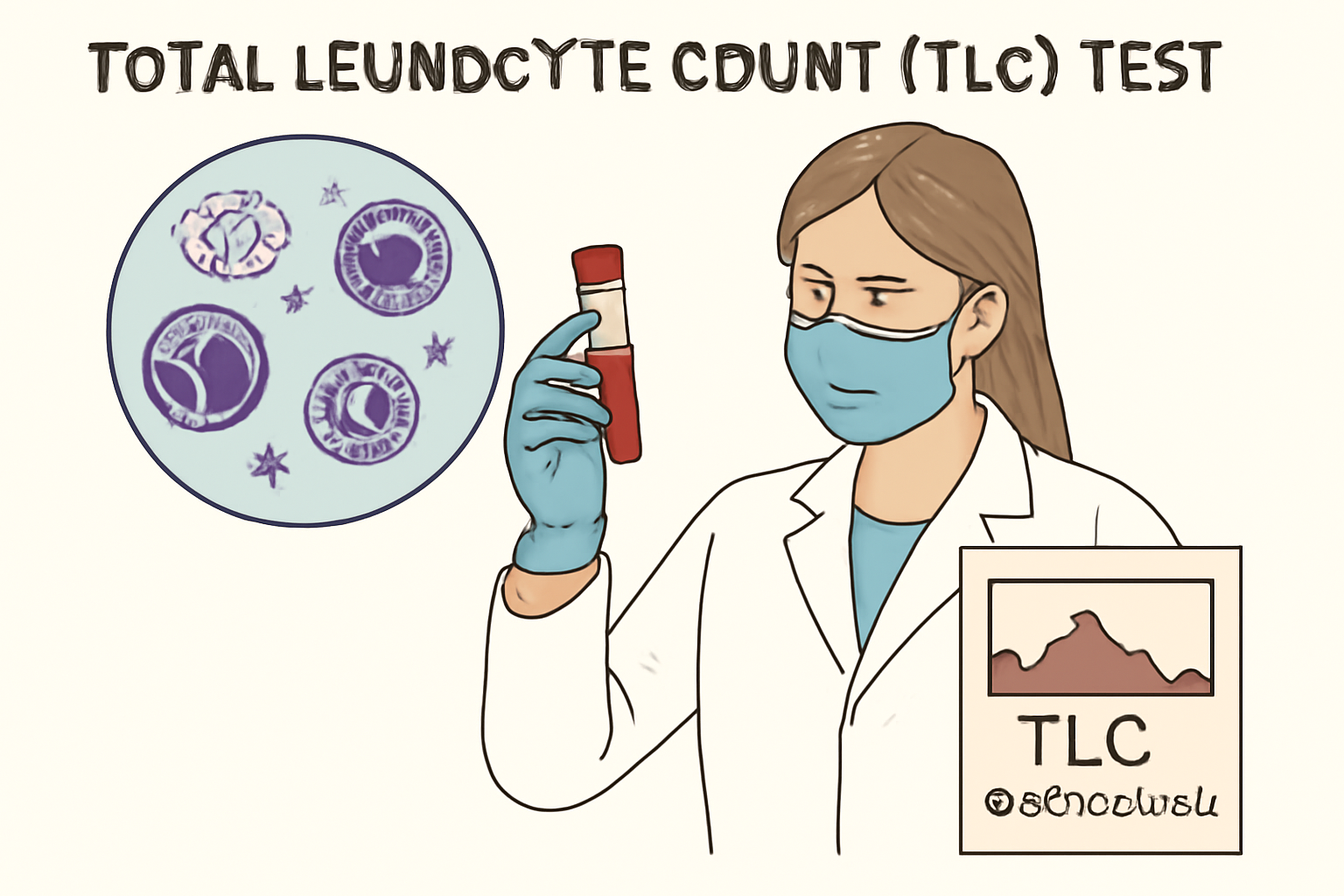

The full form of TLC in medical terms is Total Leukocyte Count. It is a blood test used to measure the number of white blood cells (WBCs) in the body. White blood cells are an important part of the immune system. They help the body fight infections, diseases, and foreign substances. A TLC test is often a routine part of a complete blood count (CBC) and gives doctors valuable information about a person’s overall health.
What is the Full Form of TLC in Medical?
The Full Form of TLC in Medical is Total Leukocyte Count. A TLC test measures how many white blood cells are present in one microliter (mcL) of blood. There are five main types of white blood cells: neutrophils, lymphocytes, monocytes, eosinophils, and basophils. These cells work together to protect the body from bacteria, viruses, and other harmful organisms.
The test does not identify which type of WBC is high or low; it gives the total number. If doctors need to know the type and percentage of each WBC, they may suggest a differential leukocyte count (DLC).
Why is the TLC Test Done?
Doctors recommend a TLC test for several reasons, especially when a person:
-
Has signs of infection (fever, chills, fatigue)
-
Shows symptoms of inflammation
-
Is suspected of having a bone marrow disorder
-
Is undergoing chemotherapy or radiation therapy
-
Has a weakened immune system
-
Needs a health check-up or pre-surgical screening
This test helps in diagnosing conditions such as infections, immune system disorders, and blood cancers like leukemia.
Normal Range of TLC in Blood
The normal range of total leukocyte count in a healthy adult is generally
| Age Group | Normal TLC Range (cells per microliter) |
|---|---|
| Adults | 4,000 to 11,000 cells/mcL |
| Children | 5,000 to 13,000 cells/mcL |
| Newborns | 9,000 to 30,000 cells/mcL |
It’s important to note that normal ranges may slightly differ from one laboratory to another, depending on the equipment and method used.
High TLC Count: What Does It Mean?
A high TLC count is called leukocytosis. It usually means the body is fighting an infection or inflammation. Some possible causes of high TLC are
-
Bacterial infections
-
Stress
-
Allergic reactions
-
Asthma
-
Tissue damage (such as from burns or heart attack)
-
Blood cancers (like leukemia)
-
Use of certain medications like steroids
In such cases, further testing may be needed to find the exact cause of the increase.
Low TLC Count: What Does It Mean?
A low TLC count is known as leukopenia. It indicates a reduced ability to fight infections. Some common reasons for low TLC include
-
Viral infections (like influenza or HIV)
-
Autoimmune diseases (like lupus)
-
Severe bacterial infections that use up WBCs quickly
-
Bone marrow disorders
-
Cancer treatments like chemotherapy or radiation
-
Nutritional deficiencies (like lack of vitamin B12 or folate)
If TLC is very low, even minor infections can become dangerous. Doctors may suggest additional tests and treatment based on the patient’s condition.
How is the TLC test performed?
The TLC test is a simple blood test. A small amount of blood is drawn from a vein in the arm using a sterile needle. The sample is then sent to a laboratory for analysis. No special preparation like fasting is required unless instructed by a doctor.
Results are usually available within a few hours to a day.
Risks and Side Effects of the Test
The TLC test is safe and commonly done. Minor side effects may include:
-
Slight pain or bruising at the needle site
-
Dizziness or lightheadedness (in rare cases)
These effects usually go away quickly and are not serious.
How to Maintain a Healthy WBC Count?
To keep your immune system strong and maintain a normal TLC level, follow these healthy habits:
-
Eat a balanced diet rich in fruits and vegetables
-
Get enough sleep and rest
-
Exercise regularly
-
Avoid smoking and limit alcohol intake
-
Manage stress
-
Practice good hygiene to avoid infections
In case of unusual symptoms, always consult a doctor for proper evaluation and treatment.
Conclusion
TLC, or total leukocyte count, is an essential blood test that helps evaluate the immune system’s health. It gives a quick overview of how many white blood cells are present in the blood. A high or low TLC can signal different health issues, from infections to serious diseases like leukemia. Regular health checkups and a healthy lifestyle can help maintain a normal white blood cell count and boost your immunity.