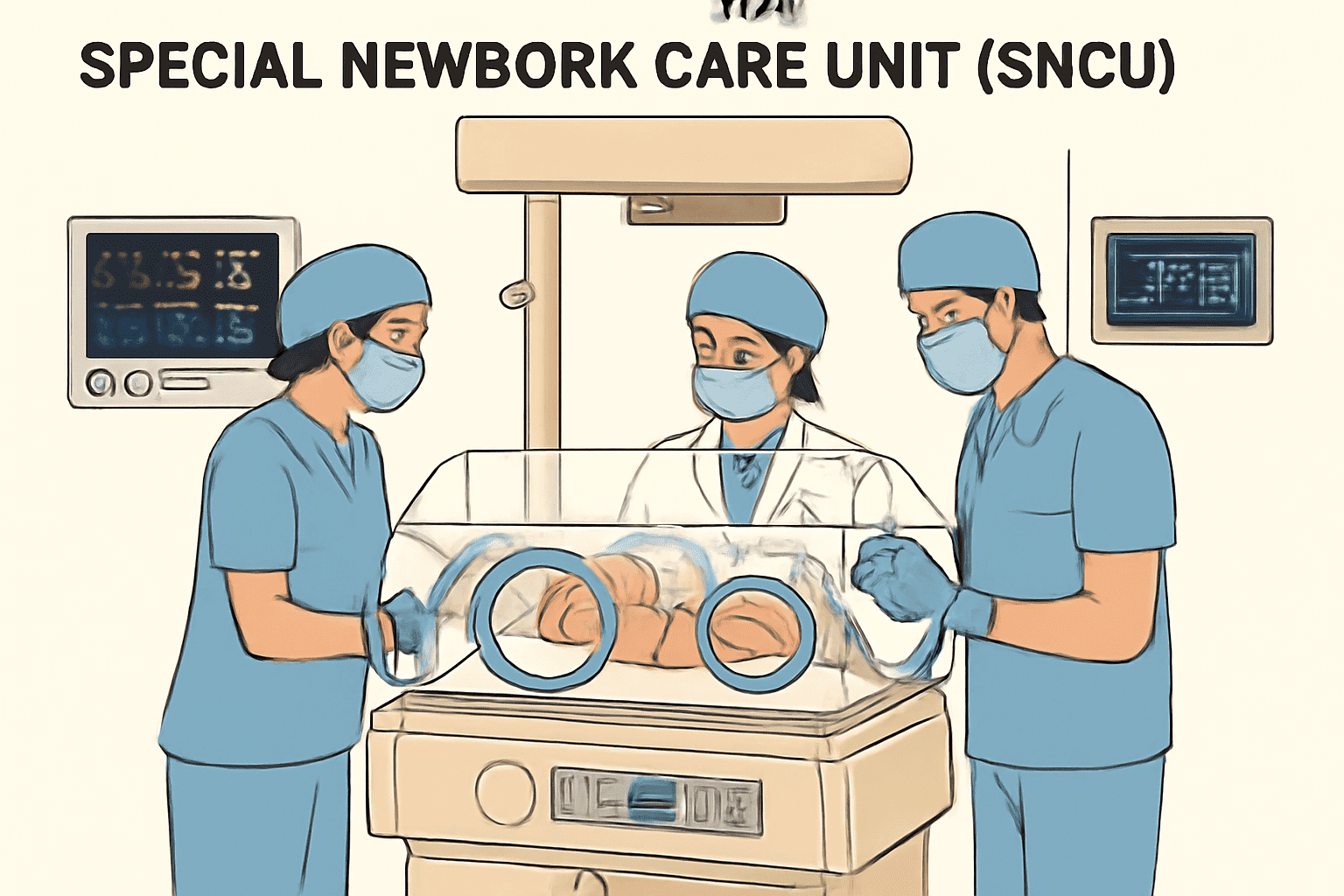

Full Form of SNCU in Medical: In the field of medicine, caring for newborn babies is one of the most delicate and important responsibilities. Some newborns require extra medical attention, especially those born too early, with low birth weight, or with medical complications. To address this, hospitals in India have set up Special Newborn Care Units, also known as SNCUs. These units play a major role in reducing newborn deaths and improving their chances of survival.
What is the Full Form of SNCU in Medical?
The full form of SNCU in medical terms is Special Newborn Care Unit. These are dedicated hospital units designed to care for sick or premature newborn babies who need specialized medical care immediately after birth.
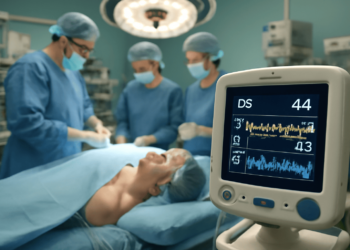
A Special Newborn Care Unit (SNCU) is a separate section within a hospital, usually located in district hospitals or medical colleges. It is equipped with advanced machines and trained doctors and nurses to take care of newborns who are ill or at high risk. SNCUs are essential in treating babies who need continuous monitoring, medicines, oxygen, or advanced life support.
These units do not provide care for babies with surgical needs but focus on non-surgical problems such as infections, respiratory distress, jaundice, and low birth weight.
Why is an SNCU Important?
SNCUs are important because they help reduce neonatal mortality, which means the death of babies within the first 28 days of life. Many babies born in India suffer from birth complications or infections or are born too early. With the help of SNCUs, such babies get the timely care they need to survive and grow healthy.
The Indian government, under the National Health Mission (NHM), has made it a priority to set up SNCUs in district hospitals across the country to make neonatal care more accessible and effective.
Who Needs SNCU Care?
Not all newborns are admitted to SNCUs. These units are meant for babies who:
-
Are born before 37 weeks of pregnancy (preterm)
-
Have a birth weight of less than 2.5 kg (low birth weight)
-
Show signs of infection, breathing difficulty, or other medical complications
-
Have jaundice that needs treatment
-
Cannot breastfeed properly due to weakness or illness
Facilities Available in SNCU
SNCUs are well-equipped to provide round-the-clock care for newborns. The common facilities include
-
Radiant warmers to maintain body temperature
-
Oxygen supply and ventilators for breathing support
-
Infusion pumps for accurate medicine delivery
-
Phototherapy units for treating jaundice
-
Monitors to check heart rate, oxygen levels, and body temperature
-
Feeding tubes for babies who cannot feed normally
Staff and Training in SNCUs
An SNCU works smoothly with the help of trained medical staff, including
-
Pediatricians (child specialists)
-
Neonatologists (doctors trained in newborn care)
-
Nurses skilled in handling newborns
-
Technicians and support staff for equipment maintenance
They are specially trained to manage emergencies and monitor the babies closely to ensure their condition improves.
Difference Between SNCU, NICU, and NBSU
There are different types of newborn care units in hospitals. It is important to understand the difference between them:
| Term | Full Form | Purpose |
|---|---|---|
| SNCU | Special Newborn Care Unit | For sick and premature babies at district level |
| NICU | Neonatal Intensive Care Unit | For critically ill newborns, found in advanced hospitals |
| NBSU | Newborn Stabilization Unit | For basic newborn care at smaller health centers |
While SNCUs offer intermediate-level care, NICUs are meant for babies needing advanced intensive support. NBSUs provide initial care and stabilize the baby before referral.
Common Conditions Treated in SNCUs
Some of the most common health problems treated in SNCUs are:
-
Neonatal sepsis (infection)
-
Birth asphyxia (lack of oxygen during birth)
-
Respiratory distress syndrome
-
Low birth weight
-
Prematurity-related problems
-
Jaundice requiring phototherapy
-
Hypothermia (low body temperature)
Impact of SNCUs in India
SNCUs have been a game-changer in India’s public health system. Since their introduction, neonatal mortality has significantly declined in many districts. According to government data, thousands of SNCUs are operational, and they have managed to save the lives of lakhs of newborns.
These units also support government programs like the Janani Suraksha Yojana (JSY) and Janani Shishu Suraksha Karyakram (JSSK), which provide free delivery and newborn care services to poor families.
Challenges Faced by SNCUs
Despite their importance, SNCUs face some challenges:
-
Shortage of trained staff
-
Overcrowding due to high number of admissions
-
Lack of maintenance for machines and equipment
-
Inadequate follow-up after discharge
Continuous training, proper funding, and infrastructure upgrades are needed to overcome these problems.
Conclusion
A Special Newborn Care Unit (SNCU) is a crucial part of a hospital that ensures that sick or premature babies receive timely and proper medical care. These units save lives every day and are a key part of improving child health in India. The development of SNCUs is a strong step toward reducing newborn deaths and providing quality healthcare for every child, especially in rural and underserved areas.