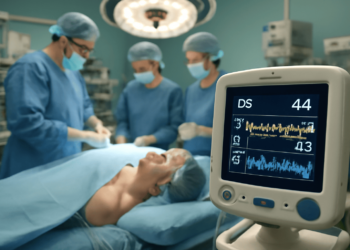
Full Form of PAC in Medical: Pre-Anesthetic Checkup In medical science, the term PAC stands for Pre-Anesthetic Checkup. It is a health evaluation done before any surgery that requires anesthesia. Anesthesia is the medicine that helps patients sleep or lose feeling during operations. A PAC ensures that the patient’s body is ready to safely handle the surgery and anesthesia. This checkup is very important to prevent complications during or after surgery. Doctors use it to understand the patient’s health condition, identify risks, and plan for a safe surgical procedure.
What is the Full Form of PAC in Medical Terms?
The full form of PAC in medical is Pre-Anesthetic Checkup. This checkup is done before an operation that involves anesthesia. The main goal of PAC is to find out if the patient is physically fit to receive anesthesia safely. The checkup involves
- Understanding the patient’s medical history
- Checking body functions
- Conducting basic tests
- Planning the best anaesthesia method
Without this checkup, giving anesthesia can be risky, especially if the patient has heart problems, breathing issues, or other hidden conditions.
Why is PAC Important?
PAC is very important because it helps
- Check Overall Health: Doctors get a full picture of the patient’s health, including heart, lungs, blood, and other organs.
- Identify Hidden Problems: Sometimes, patients have diseases like diabetes, high blood pressure, or infections that need to be managed before surgery.
- Choose the Right Anesthesia: Based on the patient’s condition, the doctor can choose the safest type of anesthesia.
- Reduce Surgery Risks: Proper planning helps prevent issues like allergic reactions, low blood pressure, or breathing difficulties during surgery.
- Ensure Better Recovery: A patient who is fully assessed before surgery usually recovers faster and with fewer problems.
- Make Informed Decisions: Patients can understand the risks, ask questions, and give proper consent for the surgery.
What Happens During a PAC?
A PAC usually takes place in a hospital’s pre-operative clinic. The following steps are part of the process:
- Medical History Check
- The doctor asks about past diseases, surgeries, allergies, smoking/alcohol habits, and any current medicines.
- Special attention is given to heart disease, asthma, diabetes, and drug allergies.
- Physical Examination
- The anesthesiologist checks your weight, height, blood pressure, pulse, lungs, and heart.
- This helps them understand how your body will react to anesthesia.
- Routine Tests
- Tests like blood count, kidney function, ECG (heart test), urine test, and chest X-ray are commonly recommended.
- These help detect infections, organ problems, or other health issues.
- Anaesthesia Plan
- Based on all the findings, the doctor will plan whether you need general, local, or regional anesthesia.
- They will also prepare medicines or equipment that may be required for your safety.
- Patient Consent and Instructions
- The patient or family is informed about the risks and benefits of the anesthesia.
- A consent form is signed, and instructions are given (such as fasting before surgery).
Who Conducts the PAC?
A qualified anesthesiologist performs the PAC. An anesthesiologist is a doctor who specializes in giving anesthesia and managing patients during surgery. Sometimes, trained medical officers or nurses assist in gathering information and conducting basic tests. But the final decision is always made by the anesthesiologist.
They play a very important role in:
- Choosing the safest anaesthesia method
- Handling emergencies during surgery
- Monitoring patient’s vital signs
- Ensuring pain-free recovery after surgery
Types of Anaesthesia Assessed During PAC
During the PAC, doctors decide which type of anesthesia is best for the patient. The common types include
| Type of Anaesthesia | Explanation |
| General Anaesthesia | Makes the patient completely unconscious. Used in major surgeries like heart or brain surgery. |
| Regional Anaesthesia | Numbs a large part of the body, like the lower half. Common in deliveries (spinal or epidural anesthesia). |
| Local Anaesthesia | Numbs a small part of the body. Used for minor surgeries like stitching cuts or removing small growths. |
The doctor decides the type of anesthesia depending on the surgery and the patient’s health.
Common Tests Done During PAC
The following tests help assess how safe it is to proceed with surgery and anesthesia:
| Test Name | Purpose |
| Complete Blood Count (CBC) | Checks for infection, anaemia, and blood health |
| Blood Sugar Test | To find out if the patient has diabetes or high sugar |
| ECG (Electrocardiogram) | To examine heart activity and rhythm |
| Chest X-ray | To assess lung condition, especially in older patients |
| Urine Test | Detects infection or kidney problems |
| Liver and Kidney Function Tests | Helps check if these organs can process anaesthesia medicines properly |
The results of these tests help the doctor decide whether any precautions or treatments are needed before surgery.
How Long Does PAC Take?
The PAC process usually takes 30 minutes to 1 hour. This includes the time spent talking with the doctor, undergoing physical examination, and collecting samples for lab tests. If a patient has health problems or needs special tests, the process may take longer or be done in multiple visits. Emergency PAC can be completed quickly, but with careful attention to critical details.
What Should Patients Bring for PAC?
When visiting the hospital for PAC, the patient should carry:
- All past medical records
- Reports of previous surgeries or treatments
- List of current medicines
- Any allergy reports
- Blood group and vaccination record (if available)
- A family member or guardian (especially for elderly patients)
Bringing complete information makes it easier for the doctor to make accurate decisions.
Is PAC Needed for All Surgeries?
Yes, PAC is compulsory for all surgeries that involve anesthesia, whether it is general, regional, or local. Even for small procedures under short-term anesthesia, doctors require a basic PAC. This is because even simple surgeries can become risky if the patient has an unknown medical issue. Skipping PAC can lead to complications like
- Allergic reactions to drugs
- Breathing issues during surgery
- Sudden changes in blood pressure
- Delayed recovery or side effects
So, all patients must complete the PAC before undergoing surgery.
Conclusion
PAC, or Pre-Anesthetic Checkup, is an important step before surgery that involves anaesthesia. It gives doctors a clear understanding of your body’s condition and allows them to create a safe anesthesia plan. The checkup helps reduce risks, ensures smooth surgery, and supports better recovery. Patients should take PAC seriously, follow doctors’s advice, and share all health details honestly. It is not just a routine formality—it is a life-saving procedure that ensures your safety during surgery.
PAC Full Form in Medical FAQs
Q1. What is the full form of PAC in medical?
PAC stands for Pre-Anesthetic Checkup. It is done before giving anesthesia for surgery.
Q2. Is PAC compulsory before every surgery?
Yes, PAC is required for any surgery where anesthesia will be used.
Q3. Who performs the Pre-Anesthetic Checkup?
A trained anesthesiologist or medical professional performs the PAC.
Q4. How many days before surgery is PAC done?
PAC is usually done 2 to 7 days before the scheduled surgery.
Q5. What if PAC results show health problems?
The surgery may be delayed or modified to treat the health issues first and ensure safety.