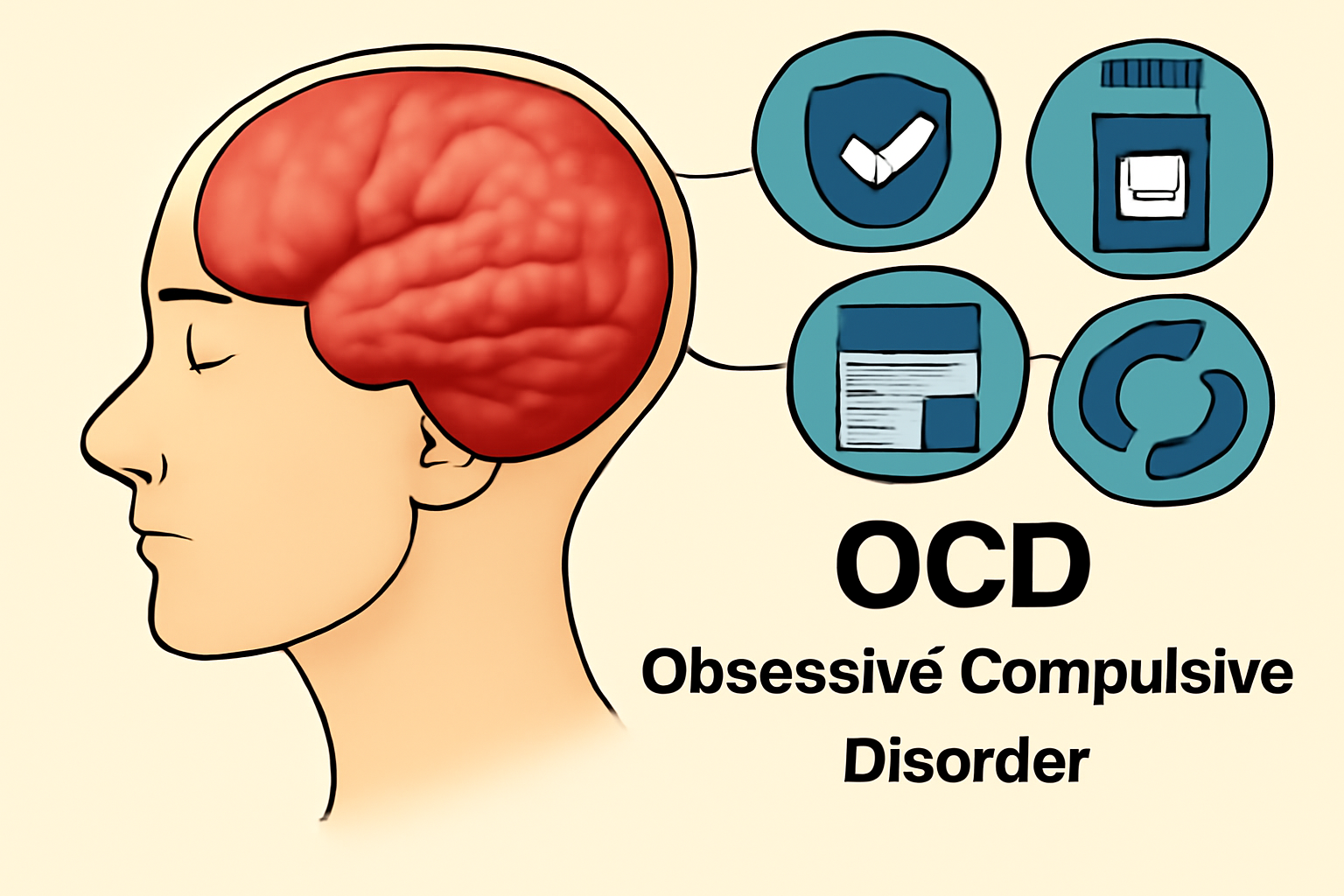

The full form of OCD in medical is Obsessive-Compulsive Disorder. It is a mental health condition that deeply affects how a person thinks, feels, and behaves in everyday life. People with OCD often experience constant, unwanted thoughts or fears known as obsessions.
These obsessions can make them feel anxious or uncomfortable. To reduce this anxiety, they perform specific actions repeatedly, called compulsions. These behaviors may include washing hands frequently, checking doors and locks, or arranging things in a particular way.
Even though individuals with OCD often know their actions are excessive, they feel powerless to stop them. Over time, OCD can interfere with personal relationships, work, studies, and daily routines, making life more stressful and challenging without proper treatment.
What is Obsessive-Compulsive Disorder (OCD)?
Obsessive-Compulsive Disorder is a chronic mental health disorder. It causes a cycle of obsessions and compulsions. Obsessions are unwanted, repeated thoughts or images that cause anxiety or stress. Compulsions are actions or behaviors that someone feels forced to do to reduce that anxiety.
For example, a person may fear germs (obsession) and may wash their hands many times a day (compulsion) to feel safe. Even though they know their behavior is excessive, they cannot stop it.
OCD Full Form in Medical Terms
In medical terminology, OCD stands for
- O – Obsessive
- C – Compulsive
- D – Disorder
It is listed as a mental disorder in the Diagnostic and Statistical Manual of Mental Disorders (DSM-5), which is used by doctors and mental health professionals worldwide.
Common Symptoms of OCD
OCD symptoms are divided into two parts: obsessions and compulsions.
Obsessions:
- Fear of dirt or germs
- Worry about harming yourself or others
- Doubts about locking the door or turning off the stove
- Unwanted thoughts about violence, religion, or sexual behavior
- A strong need for things to be in order or symmetrical
Compulsions:
- Washing hands or cleaning repeatedly
- Checking things over and over (like locks or appliances)
- Counting or repeating words silently
- Arranging items in a specific way
- Asking for reassurance again and again
Causes of OCD
The exact cause of OCD is not known. However, experts believe it can be due to a combination of the following factors:
- Genetics: It may run in families.
- Brain structure and function: Changes in brain chemicals like serotonin.
- Environment: Stressful life events or trauma can trigger symptoms.
- Infections: In some rare cases, childhood infections may play a role.
How is OCD Diagnosed?
OCD is diagnosed by a mental health professional. There is no single test for OCD. The doctor will:
- Ask about the person’s thoughts and behaviors
- Check how much time is spent on obsessions or compulsions
- See how much the condition affects daily life
A diagnosis is usually made if the obsessions and compulsions take up more than one hour each day or cause serious problems at work, school, or in relationships.
OCD in Children
Children can also have OCD. They might show signs such as asking repeated questions, washing hands too much, or getting upset if things are not in a certain order. It is important to identify OCD early in children so they can get the right support and treatment.
Difference Between OCD and Normal Habits
Many people have habits or routines. For example, double-checking if the door is locked. But in OCD:
- The thoughts are unwanted and cause anxiety.
- The actions are repeated many times a day.
- The behavior affects daily life and takes up a lot of time.
When to See a Doctor?
You should see a doctor if:
- You feel trapped by unwanted thoughts or behaviors.
- Your daily routine is affected by these habits.
- You feel anxious, sad, or embarrassed about your behavior.
A mental health professional can help diagnose and treat OCD effectively.
Can OCD Be Cured?
OCD is a long-term condition, but it can be managed successfully. Some people may recover completely, while others may need ongoing treatment. Early diagnosis and proper therapy can improve quality of life.
Treatment Options for OCD
OCD can be treated, and many people live healthy lives with proper care. The main treatments include
1. Cognitive Behavioral Therapy (CBT)
This is a type of talk therapy. A special form of CBT called Exposure and Response Prevention (ERP) is highly effective. It helps people face their fears and avoid compulsive behaviors.
2. Medications
Doctors may prescribe antidepressants like SSRIs (Selective Serotonin Reuptake Inhibitors) to reduce OCD symptoms. Common examples include fluoxetine, fluvoxamine, and sertraline.
3. Support Groups and Counseling
Talking to others with OCD or getting family support can help manage daily challenges.
Conclusion
OCD, or Obsessive-Compulsive Disorder, is a medical condition that affects the mind. It causes people to have unwanted thoughts and repeat actions to reduce anxiety. Though it can be challenging, with proper treatment and support, people with OCD can lead a normal and happy life.
OCD Full Form in Medical FAQs
Q1. What is the full form of OCD in medical?
OCD stands for Obsessive-Compulsive Disorder, a mental health condition causing repeated thoughts and behaviors.
Q2. Is OCD a serious condition?
Yes, if untreated, OCD can affect daily life, work, and relationships, but it is manageable with therapy and medication.
Q3. Can OCD be cured completely?
OCD may not be completely cured, but with treatment, symptoms can be managed effectively for a better life.
Q4. Is OCD common in children?
Yes, OCD can appear in childhood. Early diagnosis and therapy can help children manage the condition better.
Q5. What is the first step to treat OCD?
The first step is to consult a mental health professional who can diagnose the condition and recommend treatment.