
Full Form of ATP in Medical: In the medical world, understanding how the body works at the smallest level is very important. One term that comes up often is ATP. ATP stands for Adenosine Triphosphate. It is a special molecule that gives energy to the cells in our body. Just like a car needs fuel to move, our body needs ATP to perform every activity—from breathing and walking to thinking and digestion. Without ATP, our cells would not be able to survive. In this blog, we will learn what ATP is, how it works, its structure, and why it is so important for the human body.
What is the Full Form of ATP in Medical Terms?
The Full Form of ATP in medical terms is Adenosine Triphosphate.
- Adenosine is a combination of a sugar (ribose) and a nitrogen base (adenine).
- Triphosphate means three phosphate groups attached to the molecule.
In simple words, ATP is a tiny energy carrier inside all cells. It stores and gives out energy when the body needs it.
What is ATP?
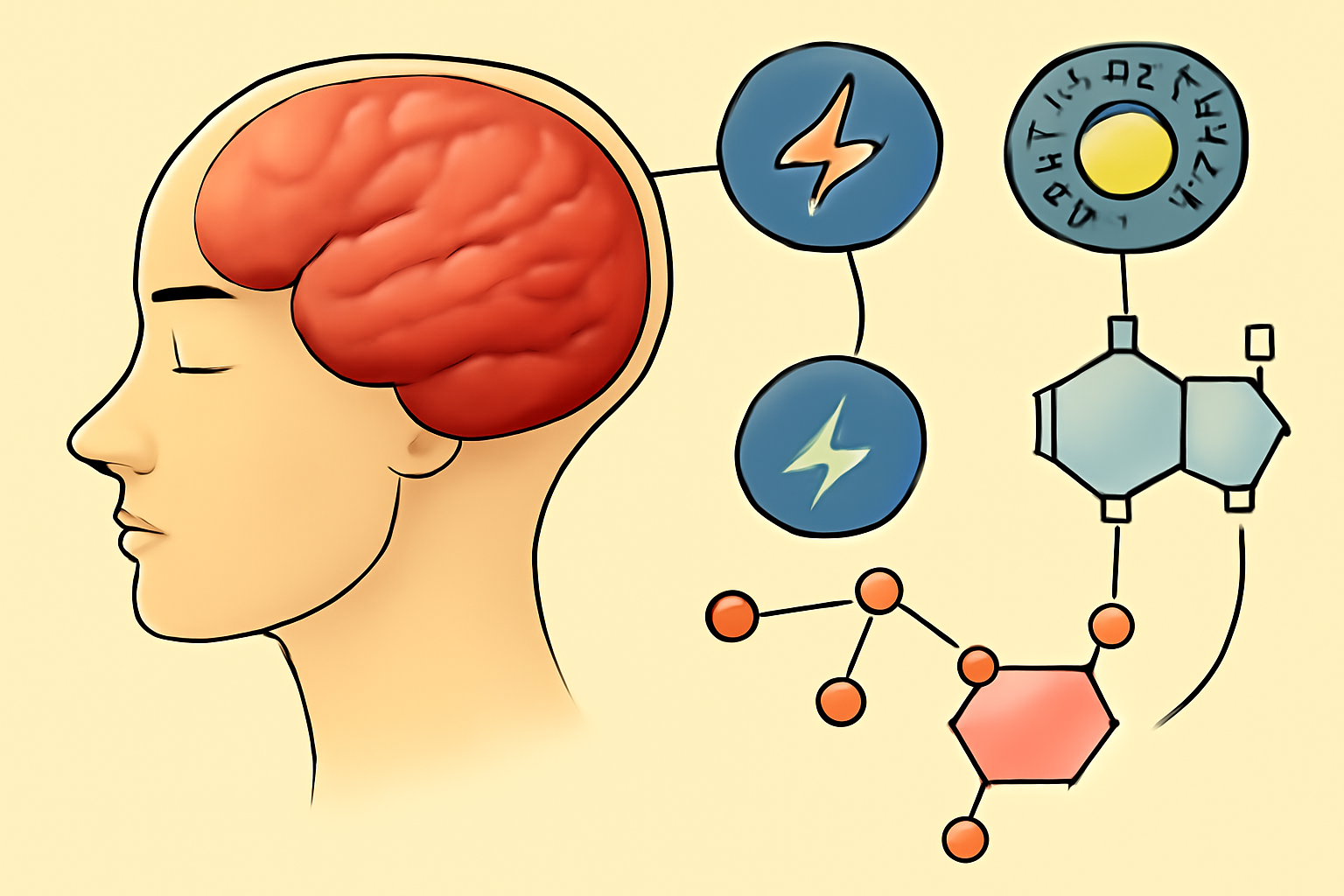
ATP is a chemical compound found in every cell of the body. It acts like a battery for cells. When a cell needs energy to do something (like sending signals, building muscles, or breaking down food), it uses ATP.
ATP is made in a part of the cell called the mitochondria, which is often called the “powerhouse of the cell.”
Structure of ATP
ATP has three main parts:
| Part of ATP | Description |
| Adenine | A nitrogen base |
| Ribose | A type of sugar |
| 3 Phosphate Groups | Three phosphate units connected in a row |
When the bond between the phosphate groups breaks, energy is released. This energy is used by the cells to do various tasks.
Functions of ATP in the Body
ATP is used in many ways inside the human body. Here are some important functions:
1. Energy Provider
- ATP gives energy to all cells to do work.
- It helps muscles to move, including the heart.
2. Supports Metabolism
- It helps in breaking down food into useful energy.
- It also helps build new molecules in the body.
3. Cell Division
- ATP is needed when cells divide and multiply.
- This helps in growth, repair, and healing.
4. Nerve Signal Transmission
- Nerves need ATP to send messages from the brain to the body and back.
5. Maintains Body Temperature
- The energy released from ATP helps keep our body warm.
How is ATP Produced?
ATP is made mainly in the mitochondria during a process called cellular respiration. It uses the oxygen we breathe and the food we eat.
There are three main steps:
| Step | Process Name | Description |
| Step 1 | Glycolysis | Happens in the cell’s cytoplasm; breaks down glucose. |
| Step 2 | Krebs Cycle | Happens in mitochondria; more energy is released. |
| Step 3 | Electron Transport Chain | Final step: most ATP is made here with the help of oxygen. |
Why is ATP Called the “Energy Currency” of the Cell?
ATP is called the energy currency because:
- It stores energy like money in a wallet.
- Cells “spend” ATP to do work—just like we spend money to buy things.
- The body can make more ATP as needed, like earning more money.
Importance of ATP in Medicine and Health
ATP is very important in medical science. Some examples include
- Muscle Disorders: Lack of ATP can cause muscle weakness or fatigue.
- Heart Health: The heart needs a lot of ATP to beat non-stop.
- Brain Function: Brain cells need constant ATP to send and receive signals.
- Mitochondrial Diseases: If mitochondria don’t make enough ATP, it can lead to serious diseases.
Disorders Related to ATP Deficiency
Some medical conditions occur when ATP is not made properly or not used well. These include:
| Disorder | Description |
| Mitochondrial Myopathy | Muscles become weak due to low ATP production. |
| Chronic Fatigue Syndrome (CFS) | Ongoing tiredness due to poor energy usage in cells. |
| Ischemia | Lack of blood flow leads to low oxygen and reduced ATP levels. |
Ways to Support ATP Production
Here are simple ways to help your body make more ATP:
- Eat a balanced diet with carbohydrates, proteins, and fats.
- Exercise regularly to improve mitochondrial health.
- Get enough sleep, as rest supports ATP balance.
- Stay hydrated, as water helps with energy processes.
- Avoid smoking and excessive alcohol, which harm mitochondria.
Quick Facts About ATP
- ATP is found in every living organism.
- The body uses and recycles millions of ATP molecules every second.
- A single human cell contains about 1 billion ATP molecules.
- ATP is not stored in large amounts; it is made as needed.
Conclusion
ATP is a small but powerful molecule that plays a big role in keeping our body alive and active. Without ATP, our cells would stop working, and life would not be possible. From the beating of your heart to the blinking of your eyes, ATP makes it all happen. Understanding ATP helps us appreciate how our body gets the energy it needs and how we can stay healthy by supporting this energy process.