
The All India Institute of Medical Sciences (AIIMS) is a prestigious medical institution in India renowned for its excellence in medical education, research, and patient care. Established with the goal of providing high-quality healthcare and advancing medical science, AIIMS has become a beacon of medical education in the country. This comprehensive guide explores the full form of AIIMS, its significance, history, and the various institutions under its umbrella.
1. What is AIIMS?
AIIMS stands for All India Institute of Medical Sciences. It is a group of autonomous public medical colleges and hospitals located across India, established to provide comprehensive medical education, training, and research opportunities. AIIMS institutions are recognized for their superior quality of medical education and patient care, serving as models of excellence in the medical field.
Key Features of AIIMS Institutions:
- Autonomy: Each AIIMS operates autonomously, with its own governance and administrative structure.
- Comprehensive Care: Offers a range of medical services, including diagnostics, treatment, and surgical procedures.
- Research and Innovation: Engages in cutting-edge medical research and innovation.
- Education and Training: Provides undergraduate, postgraduate, and doctoral programs in various medical disciplines.
2. AIIMS History and Establishment
The concept of AIIMS was introduced in the early 1950s, with the aim of establishing a network of high-quality medical institutions across India. The first AIIMS was founded in New Delhi in 1956, setting the benchmark for medical education and healthcare in the country.
| Year | Event |
| 1956 | Establishment of AIIMS New Delhi |
| 1972 | AIIMS Bhopal and AIIMS Bhubaneswar were proposed |
| 2012 | Launch of AIIMS under the Pradhan Mantri Swasthya Suraksha Yojana (PMSSY) |
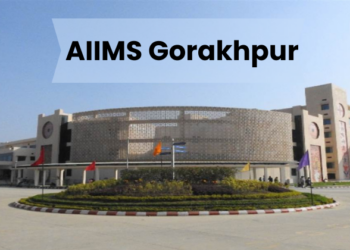
| 2019 | Inauguration of AIIMS Gorakhpur |
Significance of AIIMS New Delhi:
AIIMS New Delhi, the first and flagship institute, has played a pivotal role in shaping medical education and research in India. It serves as a reference institution for other AIIMS campuses and has contributed significantly to medical science and public health.
3. AIIMS Structure and Organization
AIIMS institutions are structured to ensure high standards of medical education, research, and patient care. Each AIIMS operates independently but follows a common framework set by the central government.
| Component | Description |
| Governing Body | Includes a President, Director, and other members responsible for policy-making and administration. |
| Academic Council | Oversees academic programs, curriculum development, and faculty appointments. |
| Medical Council | Manages medical services, clinical practice, and patient care. |
| Research Committee | Coordinates research activities, funding, and collaborations. |
| Administration | Handles day-to-day operations, including human resources, finance, and infrastructure. |
Governance and Administration:
Each AIIMS institution has a Director who is responsible for the overall management and administration. The Director reports to the Governing Body, which provides strategic direction and policy oversight.
4. Key AIIMS Institutions
AIIMS institutions are spread across various states in India, each serving a specific region and contributing to the overall healthcare system.
| AIIMS Institution | Location | Year Established | Key Features |
| AIIMS New Delhi | New Delhi | 1956 | Flagship institution; comprehensive medical services |
| AIIMS Bhopal | Bhopal, Madhya Pradesh | 2012 | Specializes in various medical fields |
| AIIMS Bhubaneswar | Bhubaneswar, Odisha | 2012 | Focus on research and advanced healthcare |
| AIIMS Jodhpur | Jodhpur, Rajasthan | 2012 | Offers a range of specialized medical services |
| AIIMS Gorakhpur | Gorakhpur, Uttar Pradesh | 2019 | Newly established; emphasizes medical education and research |
| AIIMS Raipur | Raipur, Chhattisgarh | 2012 | Provides healthcare services to the central region |
| AIIMS Rishikesh | Rishikesh, Uttarakhand | 2012 | Known for its focus on holistic and preventive healthcare |
| AIIMS Patna | Patna, Bihar | 2012 | Focuses on improving healthcare access in Bihar |
5. AIIMS Impact and Achievements
AIIMS institutions have made significant contributions to medical education, research, and healthcare delivery in India. They have achieved numerous milestones, including:
Innovative Research: Conducting groundbreaking research in various medical fields.
Quality Healthcare: Providing high-quality medical care to millions of patients.
Educational Excellence: Training future leaders in medicine through rigorous academic programs.
Public Health Initiatives: Engaging in public health campaigns and community outreach.
| Achievement | Description |
| Medical Research | AIIMS institutions have published numerous research papers and have been involved in significant medical discoveries. |
| Healthcare Delivery | Providing specialized and general medical care to a diverse population. |
| Educational Programs | Offering advanced training programs for medical professionals and researchers. |
| Community Outreach | Engaging in health education and preventive care initiatives in underserved areas. |
6. Future Directions
AIIMS continues to evolve and expand its reach to further enhance its impact on medical education and healthcare. Future directions include:
- Expansion of Facilities: Establishing new AIIMS institutions in various regions to improve access to quality healthcare.
- Research Initiatives: Enhancing research capabilities and collaborations to address emerging medical challenges.
- Technological Advancements: Integrating advanced technologies and digital health solutions to improve patient care and education.
- Public Health Focus: Strengthening public health initiatives and community outreach programs.
The All India Institute of Medical Sciences (AIIMS) represents a cornerstone of medical excellence in India. With its commitment to providing top-tier education, conducting groundbreaking research, and delivering exceptional patient care, AIIMS continues to set standards in the medical field. As the network of AIIMS institutions expands, it will undoubtedly continue to play a vital role in advancing healthcare and medical science in India and beyond.
All About AIIMS – FAQs
Q1. What is the full form of AIIMS?
Answer: The full form of AIIMS is All India Institute of Medical Sciences. It is a group of autonomous public medical colleges and hospitals in India established to provide high-quality medical education, research, and patient care.
Q2. When was the first AIIMS established?
Answer: The first AIIMS was established in 1956 in New Delhi. It serves as the flagship institution and sets the benchmark for medical education and research across the AIIMS network.
Q3. How many AIIMS institutions are there in India?
Answer: As of now, there are nine operational AIIMS institutions across India, with more planned for future development. These include AIIMS New Delhi, AIIMS Bhopal, AIIMS Bhubaneswar, AIIMS Jodhpur, AIIMS Gorakhpur, AIIMS Raipur, AIIMS Rishikesh, AIIMS Patna, and AIIMS Bilaspur.
Q4. What types of courses are offered at AIIMS institutions?
Answer: AIIMS institutions offer a wide range of courses including undergraduate (MBBS, B.Sc Nursing), postgraduate (MD, MS, M.Sc), doctoral (Ph.D.), and specialized programs (DM, MCh). They provide comprehensive training in various medical and healthcare disciplines.
Q5. How can one gain admission to an AIIMS institution?
Answer: Admission to AIIMS institutions is primarily based on entrance examinations. For undergraduate courses like MBBS, admission is through the NEET UG exam. For postgraduate courses, AIIMS conducts its own entrance exams like INI CET for MD/MS and M.Sc, while other exams such as GATE or IIT JAM may be used for specific programs. The process also includes counseling and personal interviews for some programs.