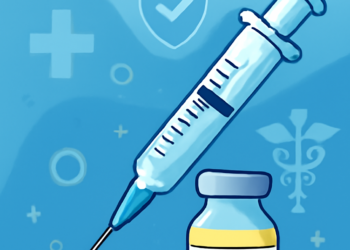
The full form of FNAC is Fine Needle Aspiration Cytology. It is a diagnostic procedure commonly used in medicine to examine lumps, swellings, or masses found in the body. During the test, a fine, hollow needle is inserted into the affected area to collect a small sample of cells or fluid. This sample is then studied under a microscope to detect infections, inflammatory diseases, or cancers. FNAC is widely used because it is quick, cost-effective, and causes minimal discomfort to the patient. It is often performed in outpatient clinics and does not usually require anesthesia or hospital admission.
What is FNAC?
FNAC is a medical test where a thin, hollow needle is inserted into a lump or swelling to collect a small sample of tissue or fluid. This sample is then examined under a microscope by a pathologist to look for abnormal cells. The test helps in identifying the nature of the lump—whether it is benign (non-cancerous), malignant (cancerous), or due to an infection.
Why is FNAC Performed?
FNAC is done for several reasons. Some of the most common purposes include:
- To find out the cause of a lump or swelling
- To detect cancer at an early stage
- To confirm the nature of lymph nodes, breast lumps, thyroid nodules, or salivary gland swellings
- To diagnose infections or inflammatory diseases
- To guide treatment plans or monitor existing conditions
Common Areas Where FNAC is Used
FNAC is used in various parts of the body. Some of the commonly tested areas include:
| Body Part | Common Conditions Checked |
| Thyroid | Goiter, thyroid nodules, thyroid cancer |
| Breast | Benign cysts, fibroadenomas, breast cancer |
| Lymph nodes | Infections, tuberculosis, lymphoma |
| Liver | Liver lesions, hepatitis, cancer |
| Salivary glands | Swellings, tumors |
| Lungs (under imaging) | Lung nodules, infections, cancer |
How is the FNAC Procedure Done?
The procedure is usually simple and does not require hospital admission. Here’s how it is done:
- The doctor first cleans the skin over the lump or swelling.
- A very thin, sterile needle is inserted into the lump.
- The needle collects a small sample of fluid or tissue.
- The sample is placed on a glass slide and stained with special dyes.
- A pathologist examines the sample under a microscope for abnormal cells.
In some cases, ultrasound or CT scan is used to guide the needle to the correct spot, especially if the lump is deep inside the body.
Is FNAC Painful?
FNAC is generally not painful. Patients may feel a mild pricking sensation when the needle goes in. Local anesthesia is sometimes used to reduce discomfort. There is no need for stitches, and most people can resume normal activities right after the test.
Advantages of FNAC
FNAC has several benefits, including:
- Quick and simple procedure
- Low cost
- Does not require surgery
- Minimal risk of complications
- Provides fast results (within a day or two)
Limitations of FNAC
While FNAC is very useful, it does have some limitations:
- Sometimes the sample may not be sufficient for diagnosis
- It may not always differentiate between similar-looking conditions
- In some cases, a biopsy (removal of a larger tissue sample) may still be required for confirmation
Risks and Complications
FNAC is considered a safe procedure. However, a few minor risks can occur, such as:
- Mild pain or bruising at the site
- Minor bleeding
- Infection (rare)
- False-negative or inconclusive results
Most side effects are minor and go away on their own.
Difference Between FNAC and Biopsy
| Feature | FNAC | Biopsy |
| Invasiveness | Less invasive | More invasive |
| Needle Type | Fine, thin needle | Larger, hollow needle or surgery |
| Tissue Sample Size | Small (cells) | Larger (tissue structure) |
| Healing Time | Quick | May take longer |
| Accuracy | Good for initial diagnosis | More detailed and accurate |
FNAC Test Results and What They Mean
After the FNAC sample is examined under a microscope, the report may show:
- Benign cells – no sign of cancer
- Malignant cells – cancer is present
- Suspicious cells – possibly cancerous, but further tests are needed
- Inadequate sample – sample not enough, test may need to be repeated
The results help the doctor decide the next steps, whether it’s more tests, surgery, or treatment like chemotherapy or antibiotics.
Conclusion
FNAC, or Fine Needle Aspiration Cytology, is a quick, safe, and affordable method used by doctors to find out the cause of lumps in the body. It plays a major role in early detection of cancer and other diseases. While it may not always give a complete picture, it often provides enough information to help guide treatment decisions. Always consult your doctor to understand if FNAC is the right test for your condition.