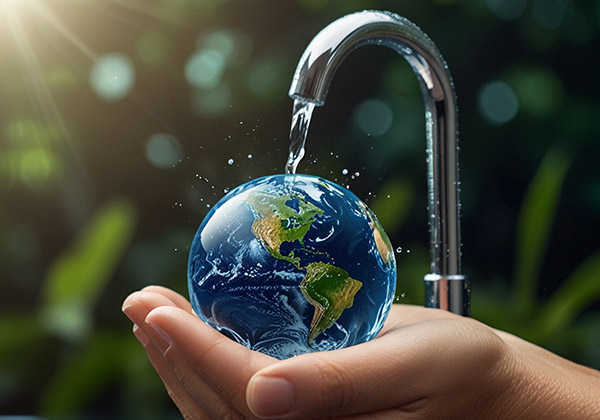

Water is essential for all life forms on Earth. From the plants that provide us with oxygen to the animals and people who need it to survive, every living thing depends on water. Yet, despite its importance, water is a limited resource. Many regions around the world face severe water shortages, making it crucial for everyone to do their part in conserving it. The misuse and wastage of water can lead to serious consequences, such as droughts and the depletion of natural water sources.
Saving water isn’t just about turning off the tap while brushing your teeth or fixing leaks—it’s about making conscious choices every day to reduce water usage and promote sustainability. By understanding the importance of water and taking steps to protect it, we can contribute to a more sustainable future for everyone. This article gives an overview of different paragraphs in 100, 200, 300 and 500 words. Also, know the tips to write a paragraph and mistakes to avoid while writing a paragraph.
The Importance of Water in Life
Water is essential to life, playing a critical role in the survival of all living organisms. Without water, life as we know it would not exist. The human body is composed of a significant amount of water, making it vital for our daily functions. We need water not only for drinking but also for various activities like cooking, cleaning, and more. Plants, too, rely on water to grow and thrive.
Access to clean and safe water is crucial for our health, as it ensures that all our organs function properly. Water is also a key factor in preserving our environment. For instance, hydropower, or hydroelectricity, is a sustainable way to generate electricity, which helps reduce pollution. By relying on water for energy, we can minimize the burning of fossil fuels and coal, contributing to a cleaner environment.
In addition to these benefits, water plays a vital role in regulating the Earth’s temperature, maintaining a stable climate that supports life. The human body, plants, and animals all require a consistent supply of water to sustain life. From the water we drink to the water used in agriculture and industry, every drop is essential.
How to Save Water?
Water is one of the most precious resources on our planet, and conserving it is crucial for sustaining life and the environment. As the global population grows and climate change impacts water availability, it’s more important than ever to adopt water-saving practices. Here are some effective ways to save water in our daily lives:
Fix Leaks:
A small drip from a leaky faucet or pipe might seem insignificant, but it can waste a significant amount of water over time. Regularly check for leaks in your home and fix them promptly to prevent unnecessary water loss.
Install Water-Efficient Fixtures:
Modern water-saving fixtures, such as low-flow showerheads, faucets, and toilets, can drastically reduce water consumption without sacrificing performance. Consider upgrading to these devices to cut down on water use.
Practice Smart Landscaping:
Outdoor water use accounts for a large portion of household water consumption. Opt for drought-resistant plants, reduce lawn areas, and use mulch to retain soil moisture. Watering your garden early in the morning or late in the evening minimizes evaporation.
Reuse and Recycle Water:
Whenever possible, reuse water for different purposes. For example, collect rainwater for watering plants or use leftover water from washing fruits and vegetables to irrigate your garden. Additionally, consider installing a greywater system to recycle water from sinks, showers, and laundry for outdoor use.
Be Mindful of Water Usage:
Simple behavioral changes can make a big difference. Turn off the tap while brushing your teeth, take shorter showers, and only run dishwashers and washing machines with full loads. Being conscious of your water usage habits can significantly reduce waste.
Educate and Advocate:
Spread awareness about the importance of water conservation within your community. Encourage others to adopt water-saving habits and support policies that promote sustainable water use. Collective efforts can lead to substantial water savings on a larger scale.
Use Water Wisely in Agriculture:
Agriculture is one of the largest consumers of water globally. Farmers can implement efficient irrigation techniques, such as drip irrigation, to minimize water waste. Using advanced technologies to monitor soil moisture and weather conditions can also help optimize water usage in farming.
Protect Water Sources:
Preventing water pollution is just as important as saving water. Avoid using harmful chemicals in your home and garden, and properly dispose of waste to prevent it from contaminating water sources. Protecting natural water bodies ensures that clean water remains available for future generations.
Paragraph on Save Water in 100 Words
Saving water is crucial for our well-being and the environment. Every drop counts, and wasting water can lead to serious problems like shortages and damage to ecosystems. Simple actions can help, such as fixing leaks, taking shorter showers, and turning off the tap while brushing your teeth. Using water-efficient appliances and watering plants wisely also make a big difference. By being mindful of our water use, we can ensure that there’s enough clean water for everyone and protect our planet for future generations. Small changes in our daily habits can lead to significant benefits for both people and nature.
Paragraph on Save Water in 200 Words
Water is a precious resource that we often take for granted. Every day, we use water for drinking, cooking, cleaning, and many other activities. However, the growing demand for water and its pollution are leading to shortages and environmental issues. It’s important to realize that small, everyday actions can have a big impact on conserving water. For example, turning off the tap while washing your hands or brushing your teeth helps save gallons of water. Fixing leaky faucets and pipes prevents unnecessary waste. Additionally, using water-saving fixtures like low-flow showerheads and toilets can reduce water use significantly. In the garden, watering plants during cooler parts of the day, such as early morning or late evening, minimizes evaporation and makes watering more efficient.
Reducing water use not only helps conserve this vital resource but also reduces energy consumption since less water needs to be treated and pumped. By making conscious choices about how we use water, we can help ensure that future generations have access to clean and safe water. Simple steps in our daily routines can lead to big changes, protecting both our environment and our future.
Paragraph on Save Water in 300 Words
Water is an invaluable resource, essential for all forms of life on Earth. Yet, despite its importance, we often overlook the need to conserve it. Water scarcity is a growing concern due to factors such as climate change, pollution, and overuse. Simple, everyday actions can help address this issue and make a big difference in conserving water. One effective way to save water is by being mindful of how we use it in our daily routines. For example, when brushing our teeth or washing our hands, turning off the tap while scrubbing can save several gallons of water. Taking shorter showers and fixing any leaks around the house are also important steps. Leaky faucets or running toilets can waste a significant amount of water over time, so repairing these issues promptly can help conserve this precious resource.
In addition, using water-efficient appliances can make a substantial impact. Low-flow showerheads, toilets, and dishwashers are designed to use less water without compromising performance. When doing laundry, washing full loads instead of smaller ones helps reduce the number of washes and saves water. Gardening practices also play a role in water conservation. Watering plants early in the morning or late in the evening reduces evaporation, making the process more efficient. Additionally, choosing drought-resistant plants that require less water can help reduce overall consumption.
By adopting these practices, each person can contribute to the preservation of water resources. It’s important to spread awareness and encourage others to join in these efforts. Together, we can ensure that clean, safe water remains available for future generations and maintain a healthy environment for all living things
Paragraph on Save Water in 500 Words
Water is fundamental to life, and its availability affects everyone and everything on the planet. Yet, it is becoming increasingly clear that our water resources are under threat. From severe droughts to pollution, many areas are experiencing water shortages that could have serious consequences for both people and ecosystems. Understanding the importance of conserving water and taking practical steps to save it can help address these challenges and ensure a sustainable future.
One of the simplest ways to conserve water is by being more conscious of our daily habits.
- For instance, when brushing your teeth or washing your face, turn off the tap while scrubbing. This small change can save a lot of water over time.
- Similarly, shortening showers and using a bucket to wash the car instead of letting the hose run continuously are effective ways to reduce water use.
- Fixing leaky faucets and toilets is another important step. A single drip from a leaky faucet can waste hundreds of gallons of water each year, so addressing these issues promptly is crucial.
In the kitchen, being mindful of water use can also make a difference.
- For example, only running the dishwasher when it’s full and using the appropriate load settings can save water. If washing dishes by hand, filling the sink rather than letting the tap run continuously is a simple but effective way to conserve water.
- Additionally, when preparing food, use a bowl of water to rinse fruits and vegetables rather than letting the tap run.
Gardening and landscaping practices play a significant role in water conservation as well. Water plants during the cooler parts of the day, such as early morning or late evening, to minimize evaporation. Using mulch around plants can help retain moisture in the soil and reduce the need for frequent watering. Choosing drought-resistant plants that require less water can also make a big difference in overall water use.
In addition to these individual actions, there are larger-scale measures that can contribute to water conservation. For example, rainwater harvesting systems collect and store rainwater for use in irrigation or other non-potable applications.
Installing water-efficient appliances, such as low-flow showerheads and toilets, can significantly reduce water consumption without sacrificing performance. Advocating for and supporting policies that protect water resources and promote sustainable water management practices is another important step.
By integrating water-saving practices into our daily routines and supporting broader conservation efforts, we can collectively make a significant impact. It’s about understanding that every action, no matter how small, contributes to a larger goal of preserving this vital resource. Protecting water is not only about ensuring its availability for future generations but also about maintaining a balanced and healthy environment for all forms of life.
How To Write Paragraph on Save Water?
Here’s a structured approach for writing a paragraph on “Save Water”:
- Introduction: Start with a compelling statement about the importance of water.
- Explanation: Describe why conserving water is crucial. Mention issues like water scarcity, environmental impact, or the benefits of conservation.
- Examples: Provide practical ways individuals or communities can save water.
- Conclusion: Summarize the key point and encourage action or highlight the broader impact of saving water.
Tips To Write Paragraph on Save Water
Here are some tips to write an effective paragraph on “Save Water”:
- Start with a Strong Topic Sentence: Begin with a clear and engaging statement that highlights the importance of water conservation.
- Provide Relevant Information: Explain why saving water is essential. Use facts or statistics to illustrate the seriousness of water scarcity or its impact on the environment.
- Include Practical Examples: Offer concrete examples of how individuals or communities can conserve water. This makes your paragraph more actionable and relatable.
- Use Clear and Concise Language: Avoid jargon and write in straightforward language to ensure your message is easily understood.
- Connect to Broader Impacts: Show how water conservation contributes to larger goals, such as environmental sustainability and future resource availability.
- Conclude with a Call to Action: Summarize the key points and encourage readers to adopt water-saving practices in their daily lives.
- Revise for Clarity: After writing, review your paragraph to ensure it flows well and effectively communicates the importance of saving water.
Mistakes To Avoid While Writing a Paragraph on Save Water
When writing a paragraph on “Save Water,” here are some common mistakes to avoid:
- Lack of Focus: Ensure your paragraph stays focused on the topic of water conservation. Avoid including unrelated information or going off on tangents.
- Overgeneralization: Avoid vague statements. Provide specific reasons and examples related to water conservation to make your argument more compelling and credible.
- Ignoring the Audience: Write in a way that is relevant and engaging for your intended audience. Avoid using overly technical language if your audience is not familiar with it.
- Repetition: Avoid repeating the same points or phrases. Make sure each sentence adds new information or perspective to keep the reader’s interest.
- Failure to Provide Examples: Not including practical examples or actionable advice can make your paragraph less impactful. Offer concrete suggestions for how to save water.
- Weak Conclusion: Don’t end with a weak or generic statement. Summarize the main points effectively and include a strong call to action or a thought-provoking closing.
- Ignoring Proofreading: Neglecting to proofread can result in errors or unclear writing. Review your paragraph for grammar, spelling, and coherence to ensure it’s polished and professional.
Paragraph on Save Water FAQs
Q1. How to save water in 10 lines?
Here are some tips to save water:
Fix any leaks in taps or toilets promptly.
Install water-saving showerheads and faucets.
Turn off the tap while brushing your teeth.
Use a broom instead of a hose to clean driveways.
Take shorter showers and avoid baths.
Run dishwashers and washing machines with full loads.
Water plants early in the morning or late in the evening.
Collect rainwater for garden use.
Use mulch in garden beds to retain soil moisture.
Check for leaks in your irrigation system and repair them.
Q2. What is the importance of water?
Water is essential for all forms of life on Earth. It supports biological processes, including hydration, digestion, and nutrient absorption. Water is crucial for agricultural production, enabling the growth of crops and livestock. It also plays a key role in maintaining ecosystems, regulating climate, and supporting industries.
Q3. How can I save water?
Save water by fixing leaks promptly, using water-efficient fixtures, turning off the tap while brushing your teeth, taking shorter showers, and running dishwashers and washing machines with full loads. Collect rainwater for gardening and use mulch to retain soil moisture. Every small action helps conserve this vital resource.
Q4. What are 5 easy water-saving tips?
Here are some easy water saving tips:
Fix Leaks: Repair dripping faucets and running toilets immediately to prevent water waste.
Install Efficient Fixtures: Use low-flow showerheads and faucet aerators to reduce water use.
Turn Off the Tap: Turn off the tap while brushing teeth, washing hands, or shaving.
Shorten Showers: Limit shower time to reduce water consumption.
Use Full Loads: Run dishwashers and washing machines only with full loads to save water and energy.