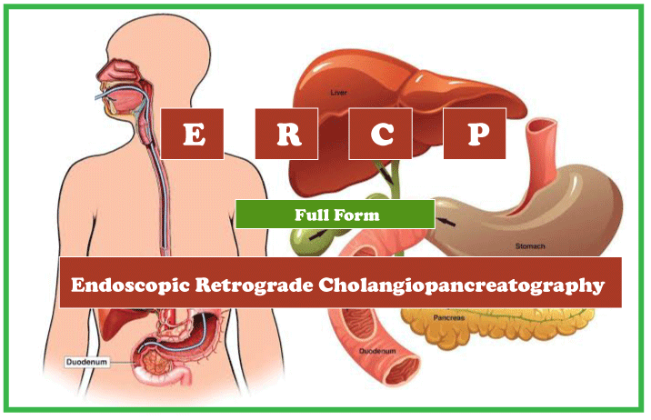

What is ERCP?
ERCP stands for Endoscopic Retrograde Cholangiopancreatography. It is a specialized technique used to study the bile ducts, pancreatic duct, and gallbladder. The procedure involves the insertion of an endoscope, a flexible tube equipped with a camera, through the mouth and into the duodenum (the first part of the small intestine). A contrast dye is then injected into the ducts, and X-rays are taken to visualize the anatomy and identify any abnormalities.
History and Development
The development of ERCP dates back to the late 1960s and early 1970s. Initially, the procedure was primarily diagnostic, but advances in endoscopic technology have expanded its use to include therapeutic interventions. Today, ERCP is widely used to treat conditions such as gallstones, strictures (narrowing of the ducts), and tumors.
Indications for ERCP
ERCP is indicated for a variety of conditions affecting the biliary and pancreatic systems. Some of the common indications include:
- Bile Duct Stones (Choledocholithiasis): ERCP can be used to remove stones from the bile ducts.
- Bile Duct Obstruction: This can be due to tumors, strictures, or inflammation. ERCP helps in diagnosing and, in some cases, treating these obstructions.
- Pancreatitis: ERCP can help identify the cause of pancreatitis and assist in its management.
- Chronic Pancreatitis: In cases where chronic pancreatitis leads to ductal strictures, ERCP can aid in dilation or stenting.
- Biliary or Pancreatic Leaks: ERCP can be used to identify and treat leaks in the biliary or pancreatic ducts.
The ERCP Procedure
The ERCP procedure involves several steps, which are outlined in the table below:
| Step | Description |
|---|---|
| 1. Preparation | The patient is prepared with fasting, and a sedative is administered to ensure comfort. |
| 2. Insertion of Endoscope | The endoscope is inserted through the mouth, passing through the esophagus and stomach to the duodenum. |
| 3. Cannulation | A catheter is used to access the bile or pancreatic ducts through the ampulla of Vater. |
| 4. Injection of Contrast Dye | Contrast dye is injected to highlight the ducts on X-ray images. |
| 5. Imaging and Diagnosis | X-rays are taken to identify any abnormalities, such as stones, strictures, or tumors. |
| 6. Therapeutic Intervention | If necessary, therapeutic procedures like stone removal, stenting, or biopsy are performed. |
| 7. Post-Procedure Care | The patient is monitored for complications and given instructions for recovery. |
Benefits and Risks of ERCP
Benefits
- Minimally Invasive: ERCP is less invasive compared to surgical procedures, leading to shorter recovery times.
- Diagnostic and Therapeutic: It allows for both diagnosis and treatment in a single procedure.
- High Accuracy: ERCP provides detailed images and direct access to the ducts, making it highly accurate in diagnosing conditions.
Risks
- Pancreatitis: The most common complication, occurring in up to 10% of cases, is post-ERCP pancreatitis.
- Infections: There is a risk of infections, such as cholangitis or pancreatitis.
- Bleeding: This can occur, especially if a biopsy is taken or a sphincterotomy is performed.
- Perforation: Although rare, there is a risk of perforation of the digestive tract.
Preparation and Recovery
Preparation
Patients are typically instructed to fast for several hours before the procedure. Blood tests may be conducted to assess the patient’s coagulation status, and a review of the patient’s medication history is necessary to avoid complications with anticoagulants or other drugs.
Recovery
After the procedure, patients are observed for a few hours to monitor for any immediate complications. They may experience mild throat discomfort or bloating, which usually resolves quickly. Patients are advised to rest and avoid heavy activities for a short period.
ERCP in the Context of Other Diagnostic Tools
ERCP is one of several diagnostic tools available for assessing biliary and pancreatic conditions. It is often compared with:
- Magnetic Resonance Cholangiopancreatography (MRCP): A non-invasive imaging technique that uses MRI technology to visualize the ducts. MRCP is often used when ERCP is deemed too risky or unnecessary for therapeutic intervention.
- Endoscopic Ultrasound (EUS): Combines endoscopy with ultrasound to provide detailed images of the ducts and surrounding tissues. EUS is particularly useful for staging cancers.
Future Developments in ERCP
The field of ERCP continues to evolve with advancements in technology and technique. Some areas of ongoing research and development include:
- Advanced Imaging Techniques: Enhanced imaging methods are being explored to improve the detection of small stones or tumors.
- Minimally Invasive Tools: New tools and devices are being developed to make therapeutic interventions safer and more effective.
- Training and Simulation: Improved training programs and simulation technologies are being implemented to enhance the skills of practitioners.
ERCP About FAQs
Q1. What does ERCP stand for in medical terms?
Ans - ERCP stands for Endoscopic Retrograde Cholangiopancreatography, a procedure used to diagnose and treat conditions of the biliary and pancreatic ducts.
Q2. How is ERCP different from MRCP?
Ans - ERCP is both a diagnostic and therapeutic procedure, involving the use of an endoscope and contrast dye. MRCP, on the other hand, is a non-invasive imaging technique using MRI technology, primarily for diagnostic purposes.
Q3. What are the common risks associated with ERCP?
Ans - The most common risks include pancreatitis, infections, bleeding, and, in rare cases, perforation of the digestive tract.
Q4. How long does the ERCP procedure take?
Ans - The duration of ERCP varies but typically takes between 30 minutes to an hour, depending on the complexity of the case.
Q5. Is ERCP painful?
Ans - Patients are usually sedated during the procedure, so they do not feel pain. Some discomfort, such as a sore throat or bloating, may be experienced afterward.
Q6. What conditions can ERCP diagnose?
Ans - ERCP can diagnose conditions such as bile duct stones, strictures, tumors, pancreatitis, and biliary leaks.
Q7. Can ERCP be used to treat gallstones?
Ans - Yes, ERCP can be used to remove gallstones that are lodged in the bile ducts.
Q8. What should I expect during recovery from ERCP?
Ans - Recovery typically involves monitoring for complications, resting, and avoiding heavy activities. Most patients recover quickly without significant issues.
Q9. Who performs the ERCP procedure?
Ans - ERCP is performed by gastroenterologists who are specially trained in endoscopic procedures.
Q10. How should I prepare for an ERCP procedure?
Ans - Preparation includes fasting, informing the doctor of any medications, and undergoing blood tests to check for coagulation issues.