The full form of EEG is Electroencephalogram. It is a medical test used to record the electrical activity of the brain. Our brain cells communicate through electrical impulses, and an EEG helps in tracking this activity.
Doctors use this test to diagnose conditions like epilepsy, sleep disorders, and brain injuries. It’s completely safe, painless, and widely used in hospitals and clinics. Whether someone has seizures or unexplained blackouts, an EEG can help doctors find the root cause and start the right treatment.
What is EEG?
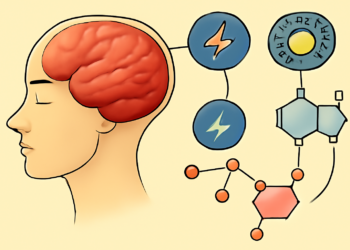
An Electroencephalogram (EEG) is a test that records brainwave patterns. The brain constantly produces tiny electrical signals as nerve cells (neurons) communicate with each other. EEG captures these signals using small metal discs called electrodes, which are placed on the scalp. These signals are then shown as wavy lines on a computer screen or paper.
The test shows how active the brain is and whether it is working normally. It is especially helpful for checking conditions that affect brain function, like seizures or sleep problems.
Why is EEG Important in Medicine?
EEG is very important in medical science because it helps doctors see if the brain is working the way it should. It gives information about:
-
Brain Waves: It helps understand the brain’s rhythm and flow of signals.
-
Seizure Detection: It can show abnormal brain signals even if a person doesn’t feel anything.
-
Brain Health: It helps find brain issues like tumors, injuries, or infections.
-
Monitoring Patients in Coma: EEG shows if the brain is still active.
-
Sleep Studies: It is used to detect problems like insomnia or sleep apnea.
It is a powerful tool to detect early warning signs of many brain conditions.
Common Uses of EEG in Medical Diagnosis
EEG is commonly used in many medical situations to diagnose or observe brain disorders. Here’s how it helps:
| Condition | How EEG Helps |
|---|---|
| Epilepsy | Detects seizure activity and helps monitor treatment effectiveness |
| Brain Tumors | Shows abnormal brain waves near tumor areas |
| Head Injury/Stroke | Reveals damaged areas with unusual signals |
| Sleep Disorders | Tracks brain activity during different sleep stages |
| Brain Infections | Detects inflammation or abnormal slow brain activity |
| Encephalopathy | Helps diagnose changes in mental state due to liver, kidney, or metabolic issues |
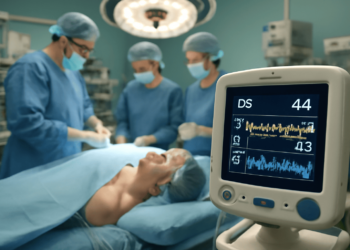
| Monitoring Anesthesia | Keeps track of brain function during surgeries |
EEG helps find issues that can’t be seen in regular imaging tests like CT scans or MRIs.
How is EEG Performed?
The EEG procedure is easy, safe, and takes about 30 to 60 minutes. Here’s what usually happens:
-
Preparation: The patient lies down in a quiet room. The technician cleans the scalp and attaches 16–25 electrodes using sticky paste or a cap.
-
Recording: The patient may be asked to do simple things like opening/closing eyes or breathing deeply. Brain activity is recorded on a computer.
-
Monitoring: If needed, flashing lights or special breathing techniques may be used to provoke abnormal brain activity for diagnosis.
-
Completion: After the test, electrodes are removed, and the patient can go home immediately.
There is no pain or risk during this process.
Types of EEG Tests
Different EEG types are used based on the patient’s condition:
| Type | Description |
|---|---|
| Routine EEG | Standard 20–30 minute recording used for general brain activity checks |
| Sleep EEG | Conducted while the person is sleeping to find sleep-related issues |
| Ambulatory EEG | Worn at home for 1–3 days to monitor ongoing symptoms like seizures |
| Video EEG Monitoring | Records brain activity with a video to match physical behavior with EEG data |
| Invasive EEG | Electrodes placed inside the skull (used only when surgery is planned) |
Each type provides different insights depending on the problem being investigated.
What Do EEG Results Show?
The EEG test results appear as wavy lines, which represent brain waves. These waves are:
-
Alpha waves – Appear when the brain is relaxed but awake
-
Beta waves – Show up during active thinking
-
Theta waves – Found in light sleep or deep relaxation
-
Delta waves – Present during deep sleep
Abnormal patterns may look like sharp spikes or waves and indicate issues such as:
-
Seizures
-
Slowing of brain signals (due to injury or illness)
-
Lack of brain activity (coma or brain death)
Neurologists interpret these results to decide on further treatment.
Is EEG Safe?
Yes, EEG is extremely safe. It is one of the safest tests available in neurology. Here’s why:
-
Non-invasive: No cuts, needles, or pain.
-
No radiation: Unlike X-rays or CT scans, EEG doesn’t use any harmful radiation.
-
Suitable for all ages: Even infants and elderly patients can safely undergo EEG.
-
No side effects: The only minor discomfort might be from cleaning the sticky gel used to place electrodes.
Some people may feel tired or sleepy afterward, especially if sleep was restricted before the test. But this is completely normal.
Preparation Before an EEG
To get accurate results, you may need to prepare in the following ways:
-
Wash Hair: Clean scalp without oils or hair products so electrodes stick better.
-
Avoid Caffeine: Tea, coffee, and chocolates should be avoided as they may affect brain waves.
-
Sleep Restriction (if advised): For sleep EEG, patients are asked to sleep less so they fall asleep during the test.
-
Take Prescribed Medications: Don’t stop any medicines unless the doctor says so.
Inform your doctor about any medical history or current health conditions.
Fun Facts About EEG
-
EEG was invented in 1924 by German psychiatrist Hans Berger.
-
It is the oldest method still used to study the brain.
-
EEG is used in brain-computer interface research to help disabled people control devices.
-
It can even be used to measure brainwave response to music and emotions.
-
EEG helps in detecting brain death, which is important in organ donation decisions.
These facts show how powerful and diverse EEG’s applications are beyond just medical diagnosis.
EEG Full Form in Medical FAQs
Q1. What does EEG stand for in medical terms?
A1. EEG stands for Electroencephalogram, a test that records brain’s electrical activity using electrodes on the scalp.
Q2. What is the main use of an EEG?
A2. EEG is mainly used to diagnose and monitor seizure disorders, sleep problems, brain injuries, and neurological illnesses.
Q3. Can EEG detect all brain problems?
A3. While EEG is excellent for functional issues (like seizures), it may not detect structural problems like small tumors or bleeding.
Q4. Is EEG used during surgery?
A4. Yes, EEG is sometimes used during brain surgeries to monitor brain activity in real-time, especially in epilepsy operations.
Q5. How do I know if I need an EEG?
A5. If you have frequent headaches, seizures, fainting spells, or sleep issues, your doctor may recommend an EEG.
Conclusion
In summary, EEG (Electroencephalogram) is a highly useful, painless, and safe test to understand how the brain is working. It helps in diagnosing epilepsy, sleep disorders, brain damage, and other neurological conditions. With modern technology, EEG has become even more reliable and plays a major role in treating patients effectively. If you or a loved one is experiencing symptoms related to the brain, an EEG can offer valuable answers for proper treatment and recovery.