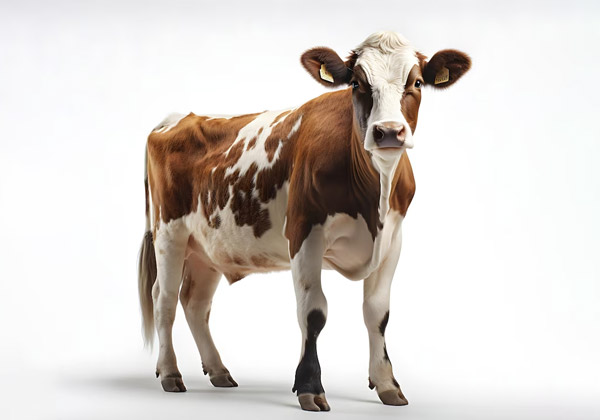

The cow is one of the most important and revered animals in many cultures around the world, particularly in India. Known for its gentle nature and utility, the cow holds a special place in both agriculture and religious practices. This essay will explore the significance of cows, their characteristics, the benefits they provide, and their role in various cultural contexts.
Introduction to the Cow
The cow is a domesticated animal belonging to the Bovidae family. It is primarily raised for its milk, meat, and leather. Cows are herbivores, feeding mainly on grass and other vegetation. They are known for their gentle demeanor, making them easy to domesticate and manage.
Physical Characteristics of Cow
Cows are large animals with a sturdy build. They have a large body, a short neck, and long legs. Their most distinctive features include:
Horns: Most cows have horns, although some breeds are naturally polled (hornless).
Udder: Female cows have an udder, which contains the mammary glands used for milk production.
Hooves: Cows have cloven hooves, which means their hooves are split into two toes.
Coat: The coat of a cow can vary greatly in color and pattern, depending on the breed. Common colors include black, white, brown, and red.
Importance of Cows in Agriculture
Cows play a crucial role in agriculture, providing several benefits to farmers and society:
1. Milk Production
One of the primary reasons cows are raised is for their milk. Cow’s milk is a rich source of nutrients, including calcium, protein, and vitamins. It is used to produce various dairy products such as cheese, butter, yogurt, and ghee.
2. Meat Production
Beef, the meat obtained from cows, is a significant source of protein. It is consumed worldwide and is an essential part of many cuisines.
3. Leather Production
Cowhide is used to produce leather, which is then utilized in making shoes, belts, bags, and other products. Leather is valued for its durability and versatility.
4. Manure
Cow manure is an excellent natural fertilizer. It enriches the soil with essential nutrients, promoting healthy crop growth. Additionally, dried cow dung is used as fuel in many rural areas.
5. Draught Power
In many developing countries, cows are still used as draught animals. They help in plowing fields, transporting goods, and performing other agricultural tasks.
Cultural and Religious Significance of Cow
In Hinduism
In Hinduism, the cow is considered sacred and is often associated with various deities. The most revered cow is Kamadhenu, the divine bovine-goddess who grants all wishes. The respect for cows is rooted in the belief that they symbolize non-violence, motherhood, and generosity.
In Buddhism
In Buddhism, cows are also respected for their gentle nature. The religion promotes compassion and non-violence towards all living beings, including cows.
In Other Cultures
Cows hold significance in many other cultures as well. In ancient Egyptian culture, the cow was associated with the goddess Hathor, symbolizing motherhood and fertility. In some African cultures, cows are a symbol of wealth and social status.
Different Breeds of Cows
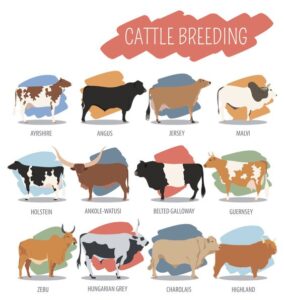
There are numerous breeds of cows, each with its unique characteristics and uses. Some of the most common breeds include:
1. Holstein
Holsteins are the most common dairy breed in the world. They are known for their high milk production and distinctive black and white markings.
2. Jersey
Jerseys are smaller in size but produce milk with a higher butterfat content, making it ideal for butter and cheese production.
3. Angus
Angus cows are primarily raised for beef. They are known for their high-quality meat and adaptability to various climates.
4. Brahman
Brahman cows are known for their resistance to heat and diseases. They are commonly found in tropical regions.
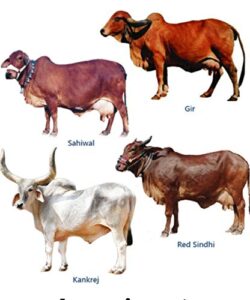
5. Gir
Gir cows, native to India, are known for their endurance and high milk yield. They are one of the oldest and purest breeds in the world.
The Role of Cows in our Ecosystem
Cows also play a vital role in maintaining ecological balance. Grazing cows help manage grasslands and prevent the overgrowth of certain plant species. Their manure adds organic matter to the soil, promoting a healthy ecosystem. Additionally, cows can be part of sustainable agricultural practices that enhance biodiversity.
What are the Health Benefits of Cow’s Milk?
Cow’s milk is a nutrient-rich food that offers several health benefits:
1. Rich in Calcium
Calcium is essential for strong bones and teeth. Cow’s milk is one of the best dietary sources of calcium.
2. High-Quality Protein
Milk provides high-quality protein necessary for muscle growth and repair.
3. Vitamins and Minerals
Cow’s milk is rich in vitamins such as B12 and D, as well as minerals like potassium and magnesium.
4. Probiotics
Fermented dairy products like yogurt contain probiotics that promote gut health.
Challenges and Ethical Considerations
While cows provide numerous benefits, their rearing and exploitation raise several ethical and environmental concerns:
1. Factory Farming
The intensive farming practices often associated with dairy and meat production can lead to poor living conditions for cows and environmental degradation.
2. Animal Welfare
Ensuring the welfare of cows is crucial. This includes providing adequate space, nutrition, and medical care.
3. Environmental Impact
Cows produce methane, a potent greenhouse gas. Sustainable farming practices are necessary to mitigate the environmental impact.
Promoting Sustainable and Ethical Practices
1. Organic Farming
Organic farming practices avoid the use of synthetic fertilizers and pesticides, promoting a healthier environment.
2. Free-Range and Pasture-Raised
Supporting free-range and pasture-raised cattle ensures that cows live in humane conditions.
3. Reducing Meat and Dairy Consumption
Reducing the consumption of meat and dairy products can lessen the environmental impact and promote animal welfare.
Cows are significant animals that provide a wide range of benefits, from milk and meat to cultural and religious significance. They play a vital role in agriculture and ecosystems, and their welfare and ethical treatment are essential considerations. By understanding the importance of cows and promoting sustainable and ethical practices, we can ensure that these gentle creatures continue to enrich our lives and our world.
Essay on Cow – FAQs
Q1. Why are cows considered sacred in Hinduism?
Cows are considered sacred in Hinduism because they are associated with various deities and symbolize non-violence, motherhood, and generosity. The most revered cow in Hindu mythology is Kamadhenu, the divine bovine-goddess.
Q2. What are the main benefits of cow's milk?
Cow’s milk is rich in calcium, high-quality protein, vitamins (such as B12 and D), and minerals (such as potassium and magnesium). It also contains probiotics in fermented dairy products, promoting gut health.
Q3. How do cows contribute to agriculture?
Cows contribute to agriculture through milk production, meat production, leather production, and manure for fertilizing crops. They also provide draught power in many developing countries.
Q4. What are some common breeds of cows?
Some common breeds of cows include Holstein (known for high milk production), Jersey (high butterfat content), Angus (high-quality beef), Brahman (heat and disease resistance), and Gir (high milk yield and endurance).
Q5. What are the ethical concerns related to cow farming?
Ethical concerns related to cow farming include factory farming practices, animal welfare issues, and the environmental impact of methane production. Promoting sustainable and ethical farming practices is essential to address these concerns.
Q6. How can we promote sustainable and ethical practices in cow farming?
Promoting sustainable and ethical practices in cow farming involves supporting organic farming, free-range, and pasture-raised cattle, and reducing meat and dairy consumption to lessen the environmental impact and promote animal welfare.
Q7. How do cows help in maintaining ecological balance?
Cows help maintain ecological balance by managing grasslands through grazing, preventing overgrowth of certain plant species, and adding organic matter to the soil through manure, which promotes a healthy ecosystem.
Q8. What is the role of cows in different cultures?
In different cultures, cows hold various significances. In Hinduism, they are sacred and associated with deities. In Buddhism, they symbolize compassion and non-violence. In ancient Egyptian culture, they were linked to the goddess Hathor, representing motherhood and fertility. In some African cultures, cows symbolize wealth and social status.
Q9. How do cows produce milk?
Cows produce milk through a process called lactation. After giving birth, a cow’s mammary glands begin to produce milk to feed her calf. The production is regulated by hormones, primarily prolactin and oxytocin. Dairy cows are often milked multiple times a day to maintain milk production, which continues as long as the cow is milked regularly.
Q10. What are the health benefits and risks of consuming cow's milk?
Health Benefits:
Calcium: Essential for bone and teeth health.
Protein: High-quality protein for muscle growth and repair.
Vitamins and Minerals: Rich in vitamins B12 and D, potassium, and magnesium.
Probiotics: Found in fermented dairy products, promoting gut health.
Health Risks:
Lactose Intolerance: Some individuals lack the enzyme lactase, making it difficult to digest lactose.
Allergies: Cow's milk protein allergy can cause adverse reactions.
Saturated Fat: High intake of full-fat dairy can contribute to heart disease.