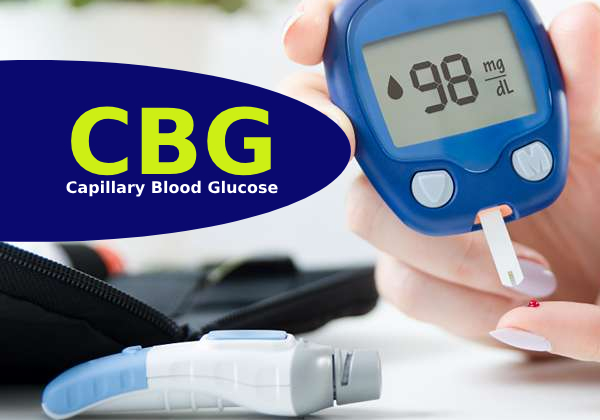

What is CBG in Medical Term?
Capillary Blood Glucose (CBG) testing is a crucial procedure in the management of diabetes and other conditions that affect blood sugar levels. This method involves using a small blood sample, usually obtained from a fingertip, to measure the concentration of glucose in the blood. Understanding CBG, its significance, how it is performed, and its applications in medical practice is essential for patients and healthcare providers alike.
Understanding Capillary Blood Glucose (CBG)
Capillary Blood Glucose (CBG) refers to the measurement of glucose levels in a small blood sample taken from capillaries, typically using a fingerstick method. It provides immediate information on a patient’s blood sugar levels, which is critical for managing diabetes and other metabolic disorders.
Importance of CBG Monitoring
Monitoring CBG levels is vital for:
- Managing Diabetes: It helps in adjusting medications, diet, and lifestyle to maintain blood glucose within target ranges.
- Preventing Complications: Regular monitoring can prevent acute complications like hypoglycemia and hyperglycemia, and long-term complications such as neuropathy, nephropathy, and retinopathy.
- Informed Decision-Making: Provides data to guide treatment decisions and assess the effectiveness of interventions.
How CBG Testing is Performed
Equipment Needed
- Glucose Meter: A device that reads and displays blood glucose levels.
- Test Strips: Specific strips used with the glucose meter.
- Lancing Device: A tool used to prick the skin and obtain a blood sample.
- Alcohol Swab: For cleaning the puncture site to prevent infection.
Steps for CBG Testing
- Preparation: Wash hands with soap and water. Dry thoroughly.
- Prepare the Meter and Strip: Insert a test strip into the glucose meter.
- Lancing: Use the lancing device to prick the side of the fingertip.
- Obtain Blood Sample: Gently squeeze the finger to obtain a drop of blood.
- Apply Blood: Touch the drop of blood to the test strip.
- Read Results: Wait for the glucose meter to display the blood glucose level.
- Record Results: Keep a log of blood glucose levels for monitoring and management.
Normal and Abnormal CBG Levels
- Normal Range: For a person without diabetes, fasting blood glucose levels typically range from 70 to 99 mg/dL, and postprandial (after meals) levels should be less than 140 mg/dL.
- Diabetes Management Targets: For most individuals with diabetes, target fasting blood glucose levels are 80 to 130 mg/dL, and postprandial levels should be less than 180 mg/dL.
Applications of CBG Testing
Diabetes Management
CBG testing is essential for:
- Type 1 Diabetes: Frequent monitoring to adjust insulin doses.
- Type 2 Diabetes: Monitoring to adjust medications, diet, and physical activity.
- Gestational Diabetes: Ensuring blood glucose levels are controlled during pregnancy.
Emergency Situations
CBG testing is critical in emergency scenarios such as:
- Hypoglycemia: Rapidly detecting and treating low blood sugar to prevent severe symptoms.
- Hyperglycemia: Identifying and managing high blood sugar to prevent diabetic ketoacidosis (DKA) or hyperosmolar hyperglycemic state (HHS).
Routine Check-Ups
Regular CBG testing is part of routine care for patients with:
- Chronic Diseases: Conditions that may impact glucose metabolism, such as cardiovascular diseases and renal insufficiency.
- Medication Monitoring: Assessing the impact of medications like steroids on blood glucose levels.
Comparison of Capillary Blood Glucose (CBG) and Venous Blood Glucose (VBG)
| Aspect | Capillary Blood Glucose (CBG) | Venous Blood Glucose (VBG) |
|---|---|---|
| Sample Source | Capillary blood from fingertip | Venous blood from a vein |
| Procedure | Fingerstick method | Venipuncture |
| Turnaround Time | Immediate results | Longer processing time (lab analysis) |
| Convenience | High (can be done at home) | Lower (requires lab visit) |
| Use Case | Daily monitoring for diabetes | Comprehensive blood glucose analysis |
| Accuracy | Sufficient for routine monitoring | Higher accuracy for diagnostic purposes |
| Cost | Lower | Higher |
Advances in CBG Technology
Continuous Glucose Monitoring (CGM)
CGM devices provide real-time glucose readings and trends throughout the day, offering a more comprehensive picture of blood glucose levels. They consist of:
- Sensor: Inserted under the skin to measure glucose levels in interstitial fluid.
- Transmitter: Sends data from the sensor to a receiver or smartphone.
- Receiver/Display Device: Shows glucose readings, trends, and alerts for high or low levels.
Non-Invasive Glucose Monitoring
Emerging technologies aim to measure blood glucose levels without the need for fingersticks, using methods such as:
- Optical Sensors: Using light to measure glucose levels through the skin.
- Electromagnetic Sensors: Detecting glucose levels based on electromagnetic properties.
FAQs about CBG
Q1. What is Capillary Blood Glucose (CBG)?
Ans - Capillary Blood Glucose (CBG) testing measures the concentration of glucose in a small blood sample taken from capillaries, usually via a fingerstick.
Q2. Why is CBG testing important?
Ans - CBG testing is crucial for managing diabetes, preventing complications, and making informed treatment decisions.
Q3. How often should I test my blood glucose?
Ans - The frequency of testing depends on the type of diabetes and treatment plan. Your healthcare provider will give specific recommendations.
Q4. What are normal CBG levels?
Ans - Normal fasting blood glucose levels range from 70 to 99 mg/dL, and postprandial levels should be less than 140 mg/dL.
Q5. What should I do if my CBG levels are too high or too low?
Ans - Follow your healthcare provider's instructions for managing high or low blood glucose levels, which may include adjusting medications, consuming glucose, or seeking medical attention.
Q6. Can CBG testing be done at home?
Ans - Yes, CBG testing can be done at home using a glucose meter and test strips.
Q7. Are there any side effects of frequent CBG testing?
Ans - Frequent fingersticks can cause discomfort and minor bruising, but there are no serious side effects.
Q8. How accurate are CBG readings?
Ans - CBG readings are generally accurate for routine monitoring, but factors such as testing technique and meter quality can affect accuracy.
Q9. What is the difference between CBG and CGM?
Ans - CBG testing provides a single glucose reading, while Continuous Glucose Monitoring (CGM) offers continuous, real-time glucose readings and trends.
Q10. Can non-diabetic individuals benefit from CBG testing?
Ans - While primarily used for diabetes management, CBG testing can also be useful for monitoring glucose levels in conditions that affect metabolism or during medication use that impacts blood sugar.