What is CBD?
CBD stands for Cannabidiol, a chemical compound extracted from the hemp or marijuana plant. It is one of more than 100 compounds called cannabinoids found in cannabis.
- Source: Mostly from the hemp plant (a type of cannabis that has very low levels of THC).
- Form: Found in oils, capsules, creams, and even food products like gummies.
- Legal Status: Legal in many countries when it contains low or no THC.
How Does CBD Work in the Body?
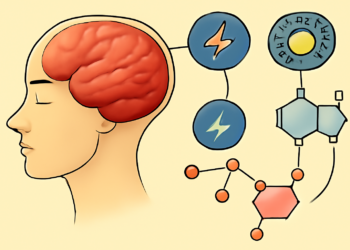
CBD works by interacting with a system in the human body known as the Endocannabinoid System (ECS). This system helps maintain balance in several body functions such as:
- Sleep
- Mood
- Appetite
- Memory
- Pain
CBD doesn’t attach directly to cannabinoid receptors in the brain like THC does. Instead, it supports the ECS to help the body function smoothly.
Medical Uses of CBD
CBD has gained attention for its potential therapeutic uses. Below are some of the common medical conditions where CBD is used:
1. Epilepsy
- FDA has approved a CBD-based medicine called Epidiolex for treating rare types of epilepsy in children.
2. Chronic Pain
- CBD may help reduce inflammation and pain without the side effects of regular painkillers.
3. Anxiety and Depression
- Some studies show CBD may help calm the nervous system, which could reduce symptoms of anxiety and improve mood.
4. Cancer-Related Symptoms
- It may help relieve pain, nausea, and loss of appetite caused by cancer or its treatment.
5. Arthritis
- CBD cream or oil is used by some people to reduce joint pain and swelling.
6. Sleep Disorders
- Some people use CBD to fall asleep faster and stay asleep longer.
Common Forms of CBD Products
| Form of CBD | Description | Usage |
| CBD Oil/Tincture | Drops placed under the tongue | Fast-acting |
| CBD Capsules | Pills taken orally | Easy to measure dose |
| CBD Creams and Lotions | Applied on skin | Used for pain or inflammation |
| CBD Gummies | Edible candies | Tasty and convenient |
| CBD Vape Products | Inhaled as vapor | Quick effects, not suitable for lungs |
Side Effects of CBD
Although CBD is generally considered safe, it may cause side effects in some people, such as:
- Drowsiness
- Dry mouth
- Diarrhea
- Changes in appetite
- Fatigue
- Interaction with other medications
Always consult a doctor before using CBD, especially if you are taking other medicines.
Is CBD Legal?
The legal status of CBD varies from one country to another:
- India: Not fully legal but hemp-based CBD with low THC can be used under special regulations.
- USA: Legal at the federal level if derived from hemp and contains less than 0.3% THC.
- UK and Europe: Legal under specific conditions.
Always check local laws before buying or using CBD.
Important Facts About CBD
- CBD is not addictive.
- CBD does not cause a “high.”
- Quality and dosage of CBD products matter.
- Many CBD products are not FDA-approved, so always buy from trusted sources.
Conclusion
In simple words, CBD (Cannabidiol) is a natural substance from the cannabis plant that is used for medical purposes. It is safe for most people when used properly and can help with several health problems like epilepsy, anxiety, pain, and sleep issues. However, it’s important to talk to a doctor before starting CBD, especially if you are on other medications.
Full Form of CBD in Medical FAQs
Q1. What is the full form of CBD in medical terms?
A: The full form of CBD is Cannabidiol.
Q2. Does CBD make you high?
A: No, CBD is non-psychoactive and does not cause a high.
Q3. Is CBD legal in India?
A: CBD derived from hemp with low THC may be legal for medical use under specific conditions.
Q4. What are the side effects of CBD?
A: Common side effects include drowsiness, dry mouth, and changes in appetite.
Q5. Can CBD be used for epilepsy?
A: Yes, FDA-approved CBD medication like Epidiolex is used for certain types of epilepsy.