The Joint Entrance Examination (JEE) is one of the most competitive and prestigious entrance exams in India. Every year, millions of students aspire to secure a seat in top engineering colleges like the Indian Institutes of Technology (IITs) and the National Institutes of Technology (NITs) through the JEE. To achieve this dream, it’s essential to not only work hard but also work smart. In this blog, we will explore effective preparation strategies to boost your JEE scores and increase your chances of success.
Understand the JEE Exam Pattern
Before diving into preparation, it’s crucial to understand the JEE exam pattern. The JEE is divided into two stages:
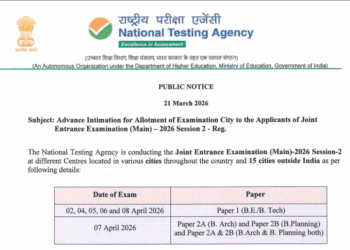
JEE Main: This is the first stage of the exam and is the gateway to various engineering colleges, including NITs. JEE Main consists of two papers: Paper 1 for B.E./B. Tech courses and Paper 2 for B.Arch and B.Planning courses. Paper 1 includes multiple-choice questions (MCQs) and numerical value-based questions in subjects like Physics, Chemistry, and Mathematics.
JEE Advanced: Only those who qualify in JEE Main are eligible to appear for JEE Advanced. This stage is for admission to the prestigious IITs. JEE Advanced has a different exam pattern, including multiple-choice questions, numerical questions, and more.
Understanding the exam pattern will help you tailor your preparation strategies to each stage effectively.
Create a Study Plan
A well-structured study plan is the foundation of successful JEE preparation. Start by setting realistic goals and timelines. Divide your preparation time into manageable periods, such as weeks or months, and allocate specific topics or subjects to each period. Make sure your plan is flexible enough to accommodate unexpected challenges.
Tips for Creating a Study Plan:
Prioritize Weak Areas: Identify your weak subjects or topics and allocate more time to them.
Regular Revision: Dedicate time for regular revision to reinforce your understanding.
Mock Tests: Include regular mock tests in your plan to simulate exam conditions.
Choose the Right Study Material
Selecting the right study material is crucial for effective JEE preparation. You can refer to textbooks, coaching institute notes, and online resources. Here are some recommendations for study materials:
NCERT Textbooks: These are essential for building a strong foundation in Physics, Chemistry, and Mathematics.
Reference Books: For in-depth understanding, refer to books like “Concepts of Physics” by H.C. Verma, “Organic Chemistry” by Morrison and Boyd, and “Higher Algebra” by Hall and Knight.
Online Resources: Utilize websites, apps, and YouTube channels that provide video lectures and practice questions.
Coaching Material: If you are enrolled in a coaching institute, make the most of their study materials and guidance.
Practice, Practice, Practice
Practice is the key to success in JEE. Solve as many practice questions as possible, especially those from previous years’ papers. Here’s why practice is essential:
Improves Speed and Accuracy: Regular practice enhances your problem-solving skills and increases your speed and accuracy in answering questions.
Understanding Exam Patterns: Solving previous years’ papers will help you understand the types of questions asked and the exam’s difficulty level.
Mock Tests: Take mock tests regularly to simulate exam conditions and assess your performance. This will help you identify weak areas that need improvement.
Seek Clarifications and Guidance
Don’t hesitate to seek help when you encounter difficulties. You can clarify your doubts from teachers, peers, or online forums. Joining a study group can also be beneficial, as discussing complex concepts with peers often leads to a better understanding.
Additionally, consider enrolling in a test series or a coaching program. Coaching institutes provide structured guidance and mock tests that can significantly boost your preparation.
Time Management
Time management is critical during the JEE preparation phase. Here are some time management tips:
Breaks: Take short breaks during study sessions to recharge your mind.
Consistency: Maintain a consistent study schedule to avoid last-minute stress.
Time for Relaxation: Allocate time for relaxation, hobbies, and physical activity to stay mentally and physically fit.
Stay Healthy
Your physical and mental well-being plays a significant role in your JEE preparation. Here’s how to stay healthy during this demanding phase:
Balanced Diet: Eat a balanced diet rich in nutrients to fuel your brain and body.
Adequate Sleep: Ensure you get enough sleep to stay alert and focused.
Exercise: Incorporate regular physical activity to reduce stress and improve concentration.
Meditation and Relaxation: Practice relaxation techniques like meditation to manage stress effectively.
Stay Positive and Manage Stress
JEE preparation can be stressful, but a positive mindset is crucial. Here are some tips to manage stress and stay positive:
Positive Affirmations: Use positive affirmations to boost your confidence.
Visualization: Visualize your success to stay motivated.
Stay Away from Negativity: Avoid negative influences and distractions.
Review and Adapt
Periodically review your study plan and adapt it as needed. If you find certain topics challenging, allocate more time to them. If you’re consistently scoring well in a particular subject, consider reducing your focus on it temporarily to concentrate on weaker areas.
Final Thoughts
Scoring well in the JEE requires a combination of hard work, effective study strategies, and mental resilience. Remember that the journey to success is as important as the destination. Stay dedicated, stay positive, and believe in yourself. With the right preparation and mindset, you can boost your JEE scores and open the doors to a bright future in engineering.
The road to success may be challenging, but every step you take in the right direction brings you closer to your dreams. Best of luck with your JEE preparation!