
BIS Full Form in Medical: The full form of BIS in the medical field is Bispectral Index. It is a special monitoring method used by doctors and anesthesiologists to measure the depth of anesthesia in a patient during surgery. BIS helps ensure that the patient is neither too awake nor too deeply sedated.
Let’s understand what BIS means, how it works, and why it is important in medical practice.
What is Bispectral Index?
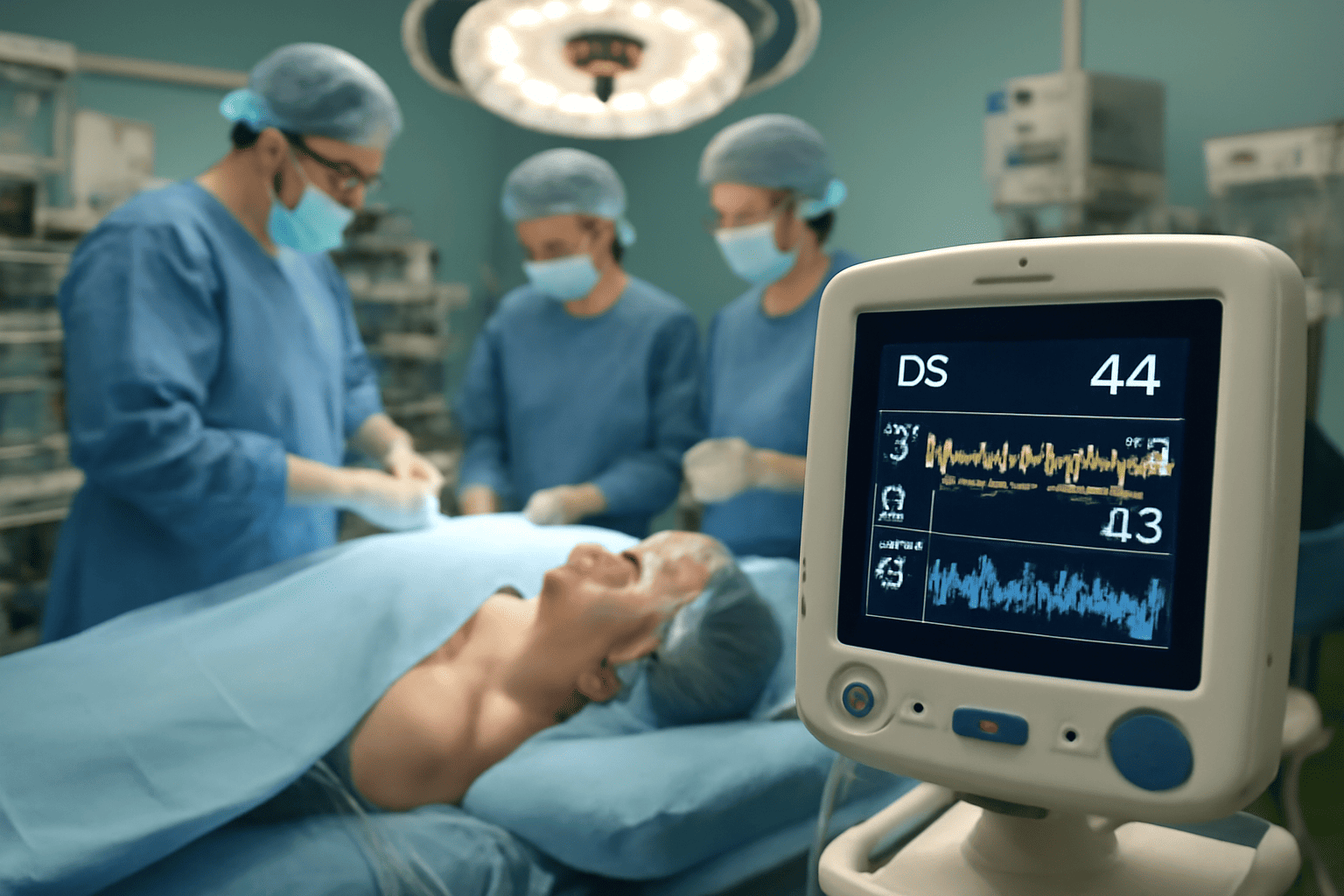
The Bispectral Index (BIS) is a number that shows how deeply a patient is asleep or unconscious during surgery. It is measured using a monitor that reads the brain’s electrical activity through sensors placed on the forehead.
The BIS score ranges from 0 to 100, where:
- 100 = Fully awake
- 80-100 = Light sedation
- 60-80 = Moderate sedation
- 40-60 = Ideal level for general anesthesia
- 0-40 = Very deep unconsciousness (brain activity is very low)
This scale helps doctors know how much anesthetic medicine to give.
How Does BIS Monitoring Work?
BIS monitoring uses electroencephalography (EEG)—a method that tracks brain waves. Small sensors (like stickers) are attached to the patient’s forehead. These sensors collect signals from the brain and send them to a BIS monitor. The monitor then calculates a BIS value by analyzing the brainwave patterns.
The device uses a software algorithm that checks for certain brainwave frequencies and patterns to decide how awake or sedated the patient is.
Why is BIS Monitoring Important?
BIS monitoring helps improve patient safety during surgery. Here’s why it matters:
- Prevents Awareness During Surgery: Sometimes patients may become partially awake during surgery and hear or feel things. BIS helps avoid this by showing the correct sedation level.
- Avoids Overdose of Anesthesia: Giving too much anesthesia can slow down the heart and breathing. BIS helps doctors avoid using more medicine than needed.
- Faster Recovery: Keeping the right balance of anesthesia helps patients wake up faster and reduces side effects like confusion or nausea.
- Better Care for Older Patients: Elderly people are more sensitive to anesthesia. BIS makes it easier to control sedation for them.
BIS Value Chart
| BIS Value | Patient State | Meaning |
| 100 | Awake | Normal brain activity |
| 80–100 | Light Sedation | Patient may respond to sounds |
| 60–80 | Moderate Sedation | Less likely to respond |
| 40–60 | General Anesthesia Target | Ideal depth of sleep for surgery |
| 0–40 | Deep Unconsciousness | Very low brain activity |
| 0 | Flat EEG (No brain activity) | Brain not functioning (extreme case) |
When is BIS Used?
BIS is commonly used in:
- General Surgeries: To keep patients properly sedated throughout the operation.
- ICU Monitoring: For patients in a coma or under sedation in intensive care.
- Brain Injury Cases: To monitor brain activity in critical conditions.
- During Propofol or Midazolam Sedation: These are common sedatives used in surgeries or procedures like colonoscopies or endoscopies.
Limitations of BIS
While BIS is useful, it has a few limitations:
- It may not work well in patients with neurological disorders.
- Movement, electrical devices, or poor sensor contact can cause false readings.
- It cannot be the only tool to decide the level of anesthesia. Doctors must use their experience along with BIS.
BIS vs Traditional Monitoring
| Feature | BIS Monitoring | Traditional Monitoring |
| Measures brain activity | Yes | No |
| Objective reading | Numeric scale (0–100) | Based on heart rate, BP, etc. |
| Helps avoid awareness | Yes | Less accurate for brain state |
| Used with EEG | Yes | No |
Conclusion
The Bispectral Index (BIS) is an important tool in modern medical practice, especially in surgeries involving anesthesia. It adds an extra layer of safety by helping doctors monitor the brain’s response to sedation. While it’s not a perfect tool, it supports better control of anesthesia levels and reduces risks for the patient.
Understanding how BIS works can help patients feel more confident and informed before undergoing surgery.