
Biogas energy is a renewable and sustainable form of energy derived from the anaerobic digestion of organic matter. This process not only produces biogas, a mixture primarily composed of methane (CH₄) and carbon dioxide (CO₂), but also helps in managing waste effectively. Biogas can be used for heating, electricity generation, and as a vehicle fuel, offering an environmentally friendly alternative to fossil fuels.
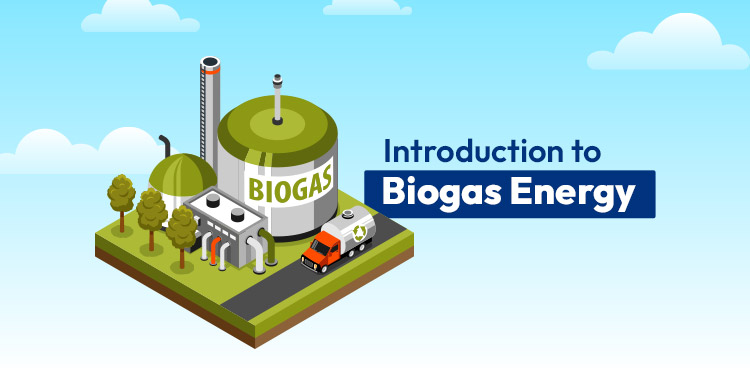
Introduction to Biogas Energy
Biogas energy is produced through the breakdown of organic materials such as agricultural waste, manure, municipal waste, plant material, sewage, green waste, or food waste. This process occurs in the absence of oxygen, known as anaerobic digestion, and is facilitated by microorganisms. The resulting biogas can be captured and used for various energy needs, making it a versatile and sustainable energy source.
Biogas Plant
A biogas plant is a facility where biogas is produced. It consists of several key components, including:
- Digester: An airtight container where anaerobic digestion takes place.
- Inlet and Outlet: Points where organic waste is fed into the digester and the digested material (slurry) is removed.
- Gas Holder: A chamber that collects the produced biogas.
- Pipelines: Transport the biogas to where it will be used.
The plant operates by feeding biomass into the digester, where it is broken down by microorganisms to produce biogas and digestate (a nutrient-rich byproduct that can be used as fertilizer).
Biomass
Biomass refers to the organic materials used as feedstock in biogas plants. This can include:
- Agricultural Waste: Crop residues, animal manure, and other byproducts of farming.
- Municipal Waste: Organic components of household and industrial waste.
- Sewage: Sludge from wastewater treatment plants.
- Green Waste: Garden and park waste.
- Food Waste: Leftovers and food processing waste.
Biomass is crucial for the biogas production process, providing the necessary material for anaerobic digestion.
Advantages of Biogas
Biogas energy offers numerous benefits:
- Renewable Energy Source: Biogas is produced from renewable resources, reducing dependence on fossil fuels.
- Waste Management: It helps in managing organic waste effectively, reducing landfill use.
- Reduced Greenhouse Gas Emissions: By capturing methane that would otherwise escape into the atmosphere, biogas helps in mitigating climate change.
- Nutrient-Rich Fertilizer: The digestate produced can be used as a high-quality fertilizer, enhancing soil health.
- Energy Security: Local production of biogas can reduce reliance on imported energy.
Disadvantages of Biogas
Despite its advantages, biogas also has some drawbacks:
- High Initial Investment: Setting up a biogas plant requires significant initial investment.
- Maintenance: Biogas plants require regular maintenance to operate efficiently.
- Feedstock Availability: Continuous supply of biomass is necessary, which might be challenging in some regions.
- Efficiency Variations: The efficiency of biogas production can vary based on the type of biomass and the technology used.
Differences Between Biogas and Other Energy Sources
The table below highlights the key differences between biogas and other common energy sources:
| Aspect | Biogas | Fossil Fuels | Solar Energy | Wind Energy |
| Source | Organic waste (renewable) | Coal, oil, natural gas (non-renewable) | Sunlight (renewable) | Wind (renewable) |
| Greenhouse Gas Emissions | Low (reduces methane emissions) | High (significant CO₂ emissions) | None during operation | None during operation |
| Energy Storage | Can be stored in gas form | Stored as fuel reserves | Requires batteries or other storage | Requires batteries or other storage |
| Infrastructure Cost | High initial investment, moderate operating costs | High initial and operating costs | High initial cost, low operating cost | High initial cost, low operating cost |
| Dependence on Weather | Not dependent on weather | Not dependent on weather | Highly dependent on sunlight | Highly dependent on wind |
Conclusion
Biogas energy represents a promising and sustainable alternative to traditional fossil fuels, offering multiple environmental and economic benefits. While there are challenges associated with its production and use, advancements in technology and increased awareness of environmental issues continue to drive its adoption. Understanding the differences between biogas and other energy sources helps in appreciating its unique advantages and potential role in a sustainable energy future.
FAQs on Biogas Energy
Q1. What is biogas energy?
Answer: Biogas energy is a form of renewable energy produced through the anaerobic digestion of organic materials such as agricultural waste, manure, municipal waste, sewage, and food waste. This process generates biogas, which primarily consists of methane and carbon dioxide, and can be used for heating, electricity generation, and as a vehicle fuel.
Q2. How does a biogas plant work?
Answer: A biogas plant works by feeding organic waste into an airtight container called a digester, where microorganisms break down the material in the absence of oxygen (anaerobic digestion). This process produces biogas and digestate. The biogas is collected in a gas holder and transported through pipelines for use, while the digestate is often used as a nutrient-rich fertilizer.
Q3. What are the main components of biogas?
Answer: The main components of biogas are methane (CH₄), which typically makes up about 50-70% of the gas, and carbon dioxide (CO₂), which constitutes around 30-40%. Other minor components may include hydrogen sulfide (H₂S), water vapor, and trace amounts of other gases.
Q4. What are the advantages of using biogas energy?
Answer: Biogas energy has several advantages, including:
- Renewable Source: It is produced from organic waste, making it a sustainable energy source.
- Waste Management: Helps in reducing the amount of waste sent to landfills.
- Lower Greenhouse Gas Emissions: Captures methane that would otherwise be released into the atmosphere.
- Economic Benefits: Can reduce energy costs and provide a local energy source.
- Nutrient-Rich Byproduct: The digestate produced can be used as an effective fertilizer.
Q5. What are the challenges associated with biogas energy?
Answer: Some challenges of biogas energy include:
- High Initial Investment: Setting up a biogas plant requires significant upfront costs.
- Maintenance Requirements: Regular maintenance is necessary to ensure efficient operation.
- Feedstock Supply: Continuous and reliable supply of organic material is needed.
- Efficiency Variability: Biogas production efficiency can vary depending on the type of biomass and the technology used.