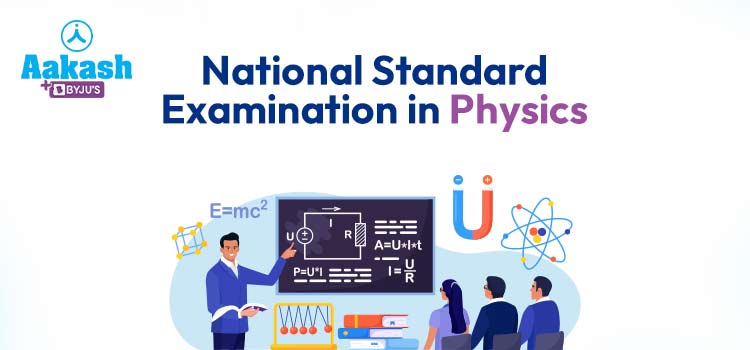

The National Standard Examination in Physics (NSEP) is a prestigious examination conducted in India to identify and nurture young talents in the field of physics. Organized by the Indian Association of Physics Teachers (IAPT), this examination serves as a stepping stone for students who aspire to excel in physics and represent India in international physics competitions. In this article, we’ll explore what NSEP is, its significance, and how you can prepare effectively for it.
Understanding NSEP
NSEP is an annual examination that aims to identify students with a strong aptitude for physics and provide them with a platform to showcase their understanding of the subject. The examination is designed to test the conceptual knowledge, analytical thinking, and problem-solving abilities of students in physics. The NSEP paper typically consists of multiple-choice questions (MCQs) and numerical answer-type questions that cover a wide range of topics within the realm of physics.
Key Features of NSEP
The National Standard Examination in Physics (NSEP) is widely regarded as a crucial milestone for numerous brilliant and aspiring students participating in the Physics Olympiad Program. The Indian Association of Physics Teachers (IAPT) organizes the NSEP on a national basis, with the support of various centres all around the country. The primary objective of NSEP revolves around positioning students on a trajectory toward the International Science Olympiad. Moreover, it serves as a platform to identify young minds harboring a strong inclination toward a future career in the realm of physics. Open to students below the 12th grade, the NSEP is administered in the traditional pen-and-paper format. This offline mode of examination underscores the importance of foundational understanding and critical thinking, emphasizing practical applications of physics concepts. Successfully crossing this threshold becomes a pivotal point, enabling students to progress to the subsequent levels of the competition.
Significance of NSEP
Participating in NSEP offers several benefits for aspiring physicists and science enthusiasts:
Recognition of Talent: NSEP identifies and recognizes young minds with a genuine interest and potential in physics. It provides a prestigious platform to showcase their skills and knowledge.
Preparation for Higher Challenges: NSEP serves as a stepping stone for other competitive examinations like the Indian National Olympiad in Physics (INPhO), which ultimately leads to representing India in international physics competitions.
Skill Development: Preparing for NSEP enhances problem-solving skills, critical thinking, and conceptual understanding, which are valuable not only for exams but also for a career in science.
Exposure to Advanced Concepts: The examination covers a wide array of topics in physics, exposing students to advanced concepts beyond their regular school curriculum.
NSEP Exam Pattern
The NSEP paper is designed to assess students’ depth of understanding and their ability to apply concepts to various scenarios. The examination consists of:
Multiple-Choice Questions (MCQs): These questions require candidates to select the correct option from a given set of choices. MCQs are designed to test conceptual clarity and the ability to apply theoretical knowledge.
Numerical Answer Type Questions (NAT): In NAT questions, students need to enter a numerical value as the answer. These questions evaluate both conceptual understanding and mathematical skills.
How to Prepare for NSEP?
Preparing for NSEP requires a systematic and focused approach. Here are some strategies to help you excel in the examination:
Master the Concepts: Build a strong foundation by thoroughly understanding the fundamental concepts of physics. Focus on clarity and depth of understanding rather than rote memorization.
Comprehensive Study Materials: Utilize recommended textbooks, reference books, and study materials to cover the syllabus comprehensively. The NCERT Physics textbooks are a great starting point.
Problem-Solving Practice: Regularly solve practice problems and previous years’ question papers. This helps in enhancing problem-solving skills and familiarizing yourself with the examination pattern.
Conceptual Clarity: Pay special attention to developing a clear understanding of abstract and challenging concepts. Use analogies, visual aids, and real-world examples to grasp these concepts.
Time Management: Practice solving questions within a stipulated time frame. Time management is crucial during the actual examination to ensure that you attempt all the questions.
Mock Tests: Take mock tests under exam conditions to simulate the actual experience. Analyze your performance afterward to identify areas that need improvement.
Discuss and Collaborate: Engage in discussions with teachers, peers, or online forums to clarify doubts and gain different perspectives on complex topics.
Stay Updated: Stay informed about the latest developments in physics through reputable science magazines, journals, and online resources.
Last-Minute Tips
As the examination date approaches, keep the following tips in mind:
Revision: Focus on revision rather than learning new topics. Review your summary notes, formulas, and key concepts.
Stay Calm: Practice relaxation techniques to manage exam-related stress. A calm mind enhances focus and performance.
Exam Day Preparation: On the day of the examination, ensure you have all necessary documents (admit card, ID proof, etc.) and reach the examination center well before the reporting time.
Conclusion
The National Standard Examination in Physics is a golden opportunity for young physics enthusiasts to showcase their talents, gain exposure to advanced concepts, and prepare for higher-level challenges in the field of physics. A strong foundation in conceptual understanding, rigorous problem-solving practice, and a systematic study approach are key to excelling in this examination. Remember that the journey of preparing for NSEP is as valuable as the end result. Stay curious, persistent, and dedicated to your pursuit of knowledge in physics. Best of luck!