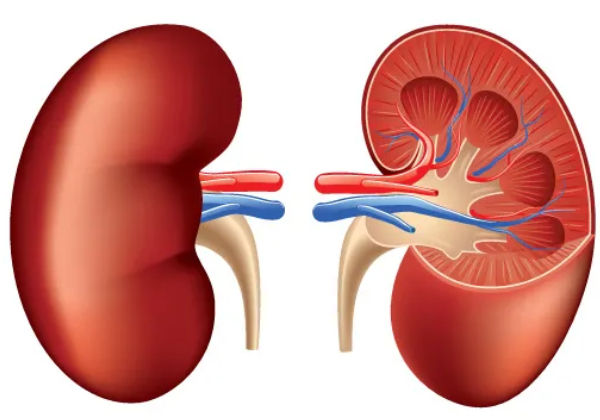

What is Acute Kidney Injury (AKI)?
Acute Kidney Injury (AKI) refers to an abrupt reduction in kidney function that occurs over a period of hours to days. It is characterized by a rapid increase in serum creatinine levels, a decrease in urine output, or both. AKI can range from a mild, reversible condition to severe kidney failure requiring dialysis.
Classification of AKI
The severity of AKI is classified based on the increase in serum creatinine levels and the reduction in urine output. The most widely used classification systems are the RIFLE (Risk, Injury, Failure, Loss, End-stage kidney disease) criteria, the AKIN (Acute Kidney Injury Network) criteria, and the KDIGO (Kidney Disease: Improving Global Outcomes) guidelines.
Full Form List in Medical
Stages of AKI
The KDIGO classification stages AKI as follows:
| Stage | Serum Creatinine Increase | Urine Output |
|---|---|---|
| Stage 1 | 1.5-1.9 times baseline or ≥ 0.3 mg/dL increase | < 0.5 mL/kg/h for 6-12 hours |
| Stage 2 | 2.0-2.9 times baseline | < 0.5 mL/kg/h for ≥ 12 hours |
| Stage 3 | 3.0 times baseline or increase in serum creatinine to ≥ 4.0 mg/dL or initiation of renal replacement therapy | < 0.3 mL/kg/h for ≥ 24 hours or anuria for ≥ 12 hours |
Causes of AKI
AKI can be caused by a variety of factors, which are generally categorized into three groups: prerenal, intrinsic, and postrenal causes.
Prerenal Causes
Prerenal AKI results from conditions that lead to decreased renal perfusion. Common causes include:
- Hypovolemia: Due to dehydration, hemorrhage, or excessive fluid loss.
- Decreased Cardiac Output: Resulting from heart failure, myocardial infarction, or cardiogenic shock.
- Systemic Vasodilation: Caused by sepsis or severe allergic reactions.
- Renal Artery Stenosis: Narrowing of the arteries supplying the kidneys.
Intrinsic Causes
Intrinsic AKI is due to direct damage to the kidneys. Common causes include:
- Acute Tubular Necrosis (ATN): Often caused by ischemia or nephrotoxic agents.
- Glomerulonephritis: Inflammation of the glomeruli.
- Acute Interstitial Nephritis: Often drug-induced or due to infections.
- Vascular Disorders: Such as vasculitis or malignant hypertension.
Postrenal Causes
Postrenal AKI results from obstruction of urine flow. Common causes include:
- Ureteral Obstruction: Due to kidney stones, tumors, or strictures.
- Bladder Outlet Obstruction: Caused by benign prostatic hyperplasia (BPH), tumors, or neurogenic bladder.
- Urethral Strictures: Narrowing of the urethra.
Symptoms of AKI
The symptoms of AKI can vary depending on the severity and underlying cause but may include:
- Reduced Urine Output: Oliguria or anuria.
- Swelling: Due to fluid retention.
- Fatigue and Weakness: Resulting from electrolyte imbalances and waste accumulation.
- Shortness of Breath: Due to fluid overload.
- Confusion or Altered Mental Status: Resulting from toxin buildup.
- Nausea and Vomiting: Due to uremia.
- Chest Pain or Pressure: In severe cases, due to pericarditis.
Diagnosis of AKI
Laboratory Tests
Diagnosis of AKI involves a combination of clinical assessment and laboratory tests:
- Serum Creatinine: An increase in serum creatinine is a key indicator of AKI.
- Blood Urea Nitrogen (BUN): Elevated levels may indicate impaired kidney function.
- Electrolytes: Including sodium, potassium, and calcium levels.
- Urine Analysis: To detect abnormalities such as proteinuria, hematuria, or pyuria.
Imaging Studies
Imaging studies can help identify the underlying cause of AKI:
- Ultrasound: To assess kidney size, structure, and the presence of obstructions.
- CT Scan: For detailed imaging of the kidneys and urinary tract.
- MRI: In certain cases, for a more detailed evaluation.
Additional Tests
Depending on the suspected cause, additional tests may be necessary:
- Renal Biopsy: To diagnose intrinsic kidney diseases such as glomerulonephritis.
- Doppler Ultrasound: To evaluate renal blood flow.
Treatment of AKI
The treatment of AKI focuses on addressing the underlying cause, managing symptoms, and supporting kidney function until recovery.
Prerenal AKI Treatment
- Fluid Resuscitation: For hypovolemia, with intravenous fluids.
- Cardiovascular Support: For heart failure or shock, including medications and mechanical support if needed.
- Treating Underlying Causes: Such as sepsis or allergic reactions.
Intrinsic AKI Treatment
- Avoid Nephrotoxic Agents: Discontinuing or adjusting doses of potentially harmful medications.
- Manage Infections or Inflammation: With appropriate antibiotics or anti-inflammatory agents.
- Renal Replacement Therapy: Dialysis may be necessary in severe cases.
Postrenal AKI Treatment
- Relieve Obstruction: With catheterization, stenting, or surgery.
- Manage Underlying Conditions: Such as treating BPH or removing kidney stones.
Complications of AKI
AKI can lead to several serious complications, including:
- Chronic Kidney Disease (CKD): Progression to long-term kidney damage.
- Electrolyte Imbalances: Leading to life-threatening conditions such as hyperkalemia.
- Fluid Overload: Causing pulmonary edema and heart failure.
- Uremia: Accumulation of waste products, leading to systemic toxicity.
- Increased Mortality: Particularly in critically ill patients.
Prevention of AKI
Preventive strategies for AKI include:
- Hydration: Ensuring adequate fluid intake, especially in at-risk individuals.
- Monitoring Medications: Avoiding nephrotoxic drugs when possible and adjusting doses.
- Managing Chronic Conditions: Controlling hypertension, diabetes, and heart disease.
- Early Detection and Intervention: Regular monitoring of kidney function in high-risk patients.
Comparison of Prerenal, Intrinsic, and Postrenal AKI
| Aspect | Prerenal AKI | Intrinsic AKI | Postrenal AKI |
|---|---|---|---|
| Cause | Decreased renal perfusion | Direct damage to kidneys | Obstruction of urine flow |
| Common Conditions | Hypovolemia, heart failure, sepsis | ATN, glomerulonephritis, interstitial nephritis | Kidney stones, BPH, tumors |
| Symptoms | Oliguria, fatigue, dizziness | Hematuria, proteinuria, edema | Anuria, flank pain, bladder distension |
| Diagnosis | Serum creatinine, BUN, urine output | Urinalysis, renal biopsy, imaging | Ultrasound, CT scan, MRI |
| Treatment | Fluid resuscitation, cardiovascular support | Avoid nephrotoxins, manage underlying cause, dialysis | Relieve obstruction, manage underlying conditions |
| Complications | CKD, electrolyte imbalances | CKD, uremia, increased mortality | CKD, infection, increased mortality |
FAQs about AKI
Q1. What is Acute Kidney Injury (AKI)?
Ans - Acute Kidney Injury (AKI) is a sudden decline in kidney function, leading to the accumulation of waste products in the blood, electrolyte imbalances, and fluid disturbances.
Q2. What causes AKI?
Ans - AKI can be caused by decreased blood flow to the kidneys (prerenal), direct damage to the kidneys (intrinsic), or obstruction of urine flow (postrenal).
Q3. What are the symptoms of AKI?
Ans - Symptoms of AKI include reduced urine output, swelling, fatigue, shortness of breath, confusion, nausea, and chest pain.
Q4. How is AKI diagnosed?
Ans - AKI is diagnosed through laboratory tests (serum creatinine, BUN, electrolytes), urine analysis, and imaging studies (ultrasound, CT scan, MRI).
Q5. How is AKI treated?
Ans - Treatment of AKI involves addressing the underlying cause, managing symptoms, and supporting kidney function through hydration, medication adjustments, and possibly dialysis.
Q6. What are the complications of AKI?
Ans - Complications of AKI include chronic kidney disease (CKD), electrolyte imbalances, fluid overload, uremia, and increased mortality.