
Blood is one of the most essential and intriguing substances in our bodies. It is the most vital fluid that is key to our health and survival. It flows through your veins and arteries, carrying oxygen, nutrients, and waste products to and from every cell in your body. Without blood, we wouldn’t be able to live even for a moment.
But blood isn’t just important for keeping us alive—it’s also packed with fascinating details that might surprise you. From the science behind why blood is red to the ways it helps our immune system, blood has a lot of hidden secrets. This article talks about 12 interesting facts about blood, how it intrigues students and different aspects of blood in the human body.
What is Blood?
Blood is a special fluid in your body that flows through your veins and arteries. It’s essential for keeping you alive and healthy. Think of blood as a delivery system—it transports oxygen from your lungs to your body’s cells and carries waste products away. Blood also has important components that help your body fight infections, heal wounds, and maintain overall balance.
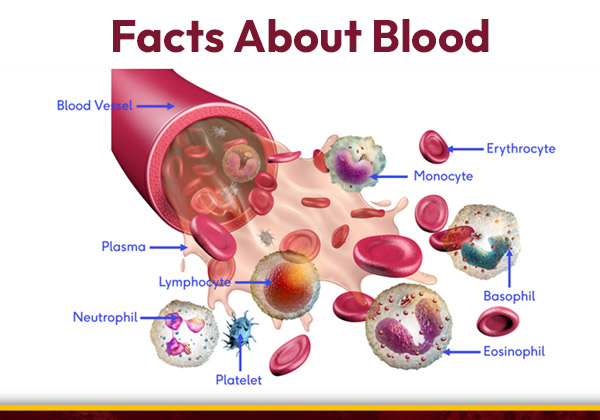
Blood is made up of four main components, each with a special job:
- Red Blood Cells: Think of these cells as delivery trucks. They pick up oxygen from your lungs and deliver it to all the cells in your body. They also collect carbon dioxide, which is a waste product, and bring it back to your lungs so you can exhale it.
- White Blood Cells: These cells are like the body’s defenders or soldiers. They fight off germs, bacteria, and viruses to help keep you healthy and protect you from getting sick.
- Platelets: When you get a cut or injury, platelets come into action. They help stop the bleeding by sticking together to form a clot, which seals up the wound and prevents more blood from flowing out.
- Plasma: Plasma is the liquid part of your blood. It’s mostly water and acts like a transport system. It carries important nutrients, hormones, and waste products to and from different parts of your body.
In short, blood is a vital liquid that performs several critical jobs to keep your body functioning smoothly.
12 Interesting Facts About Blood
Blood Makes Up About 7% of Your Body Weight
Blood is more than just a small part of your body—it’s actually quite significant. It makes up about 7% of your total body weight. For example, if you weigh 70 kilograms (about 154 pounds), then roughly 4.9 kilograms (about 11 pounds) of that is blood.
Role of Blood: Even though blood might seem like just a small part of your body, it plays a huge role in keeping you healthy. Here’s why:
- Oxygen and Nutrients: Blood transports oxygen from your lungs to all the cells in your body. It also carries nutrients from your digestive system to your cells, which are essential for energy and growth.
- Waste Removal: Blood helps remove waste products from your cells. It carries these waste materials to your kidneys and liver, where they are processed and then excreted from your body.
- Fighting Infections: Blood contains white blood cells and other components that help fight off infections and diseases. These cells help protect your body from harmful bacteria and viruses.
- Regulating Temperature: Blood also helps regulate your body temperature by distributing heat throughout your body. This helps keep your body functioning properly.
Alkaline Solution with a pH of 7.4.
Your blood is like a carefully balanced chemical solution with a pH of about 7.4. This pH level makes your blood slightly alkaline, which is essential for your body to work properly. Maintaining this pH balance is really important. If the pH of your blood were to change a lot, it could affect how well your organs and cells function. For example, enzymes that help with various body processes work best within a specific pH range. To keep things running smoothly, your body constantly adjusts to make sure the pH stays around 7.4. It does this through different systems, like breathing and kidney function, which help to correct any imbalances and keep everything in check.
Blood Types Are Determined By Genetics
The type of blood you have—A, B, AB, or O—is determined by your genes. These blood types are inherited from your parents, much like your eye color or height. Your blood type affects what kind of blood you can safely receive in a transfusion and plays a role in your immune system.
Here’s a clear breakdown of blood types and how they are determined:
| Aspect | Explanation |
| What Determines Blood Type | Your blood type (A, B, AB, or O) is set by your genes. These are the instructions you get from your parents that decide your blood type. |
| Inheritance | Just like traits such as eye color or height, you inherit your blood type from your parents. Each parent gives you one set of genes that decide your blood type. |
| Types of Blood | – Type A: Has antigens on the surface of red blood cells.
– Type B: Has B antigens on the surface of red blood cells. – Type AB: Has both A and B antigens. – Type O: Has neither A nor B antigens. |
| Importance for Transfusions | Knowing your blood type is crucial for blood transfusions. It ensures you get blood that matches your type to avoid reactions. For example, if you have Type A blood, you can receive Type A or O blood. |
| Role in Immune System | Your blood type helps your immune system recognize which cells are part of your body and which are foreign. This helps your body fight off infections and avoid attacks on its own cells. |
Understanding your blood type is important for medical reasons and helps ensure that your body stays healthy and functions properly.
Women Have ½ Litre Blood Less Than Men
On average, women have about half a liter less blood than men. This is because men usually have bigger bodies and more muscle. Muscle needs more blood to get oxygen and nutrients, so men generally have more blood to meet these needs.
Here’s a simple breakdown:
- Average Difference: Women have roughly 500 milliliters (or half a liter) less blood than men.
- Reason for Difference: Men are often larger and have more muscle mass than women. Muscle requires more blood to stay healthy and get enough oxygen.
- Body Size and Composition: Larger bodies and more muscle mean that men need a bit more blood than women to support their body functions.
- General Similarities: Even though there’s a difference in blood volume, men and women are very similar in many other ways.
So, while there is this difference in the amount of blood, it’s just a small variation related to body size and muscle mass.
Blood Has Four Main Components
Blood is more than just a red liquid. It’s made up of four key parts, each with its own important job:
- Red Blood Cells: These cells act like delivery trucks. They transport oxygen from your lungs to all the parts of your body. They also pick up carbon dioxide, a waste product, and bring it back to your lungs so you can breathe it out.
- White Blood Cells: These are the body’s defense team. They help protect you from infections by attacking germs like bacteria and viruses that can make you sick.
- Platelets: When you get a cut or injury, platelets step in to help stop the bleeding. They stick together and form a clot that seals the wound so you don’t lose too much blood.
- Plasma: This is the liquid part of your blood. It’s mostly water and helps transport important things around your body, like nutrients from your food, hormones that control various body functions, and waste products that need to be removed.
Each of these components plays a vital role in keeping your body healthy and working properly.
Blood Contains Two Substances: Plasma and Blood
Blood has two main parts: plasma and blood cells. Here’s a closer look at each part:
- Plasma: This is the yellowish liquid part of your blood. It makes up about 60% of your total blood volume. Plasma acts like a transport system, carrying the blood cells, nutrients, hormones, and waste products throughout your body. It helps keep everything in motion and ensures that all the cells get what they need to function properly.
- Blood Cells: The remaining part of your blood consists of different types of cells:
- Red Blood Cells: These cells carry oxygen from your lungs to your body’s tissues and bring back carbon dioxide to be exhaled.
- White Blood Cells: These cells are part of your immune system and help fight off infections and diseases.
- Platelets: These are tiny cells that help with blood clotting to stop bleeding when you get a cut or injury.
So, when you look at blood under a microscope, you’ll see plasma as the liquid part and blood cells floating in it. Plasma helps move the blood cells and other substances around, making sure everything in your body stays healthy and balanced.
Composition of Blood : 60% Plasma and 40% Blood
Blood is made up of two main parts: plasma and blood cells. Here’s a breakdown of their roles and composition:
Plasma:
Percentage: Plasma makes up about 60% of your blood.
Composition: It is mostly water but also contains proteins, nutrients, hormones, and waste products.
Function: Plasma helps carry these substances around your body. It transports nutrients from your food, hormones that regulate body functions, and waste products that need to be removed.
Blood Cells:
Percentage: The remaining 40% of your blood consists of blood cells.
Types and Functions:
Red Blood Cells: These cells carry oxygen from your lungs to the rest of your body and bring back carbon dioxide to be exhaled.
White Blood Cells: These cells are part of your immune system. They help fight off infections and diseases.
Platelets: These small cells help with clotting. When you get a cut or injury, platelets stick together to form a clot and stop the bleeding.
Having the right balance between plasma and blood cells is important for keeping your body healthy. Plasma ensures that nutrients, hormones, and waste products are moved around efficiently, while blood cells perform essential tasks to support your overall health.
90% of Plasma is Water
Plasma is the liquid part of your blood. It’s crucial because it helps keep your blood fluid and flowing smoothly. Plasma makes up about 55% of your total blood volume, and its composition is mostly water.
Water Content: Plasma is made up of about 90% water. This high water content is essential for several reasons:
- Fluidity: The large amount of water in plasma keeps your blood from becoming too thick. This helps your blood flow easily through your veins and arteries, ensuring that it circulates efficiently throughout your body.
- Transporting Nutrients and Waste: The water in plasma helps dissolve and carry important substances, like nutrients, hormones, and waste products. These substances are transported to where they are needed or to the organs that will process and remove them.
- Maintaining Blood Pressure: The water content in plasma also helps maintain blood pressure and volume. This is important for ensuring that your organs and tissues receive a steady supply of blood.
Remaining Components: The other 10% of plasma consists of various substances:
- Proteins: These include albumin (which helps maintain blood pressure and volume), globulins (which help fight infections), and fibrinogen (which is involved in blood clotting).
- Salts: These help maintain the balance of fluids in your body and support various bodily functions.
- Hormones: These are chemical messengers that help regulate different processes in your body.
- Waste Products: These are byproducts of metabolism that need to be carried to the kidneys and liver for processing and removal.
Why is Blood Red in Color?
Blood is red because of a protein called hemoglobin, which is found in red blood cells. Here’s a closer look at how this works:
Role of Hemoglobin: Hemoglobin is a crucial protein in red blood cells. Its main job is to bind to oxygen in your lungs and carry it through your bloodstream to the rest of your body.
Color Changes with Oxygen Levels:
Oxygen-Rich Blood: When hemoglobin is carrying a lot of oxygen, it appears bright red. This bright red color is seen in blood that’s coming from the lungs to deliver oxygen to various tissues.
Oxygen-Poor Blood: When hemoglobin releases oxygen to the tissues, it changes to a darker red color. This darker blood is returning to the lungs to pick up more oxygen.
Sign of Function: The red color of your blood is an indicator that hemoglobin is actively performing its job of transporting oxygen. Bright red blood means it’s full of oxygen, while darker red blood means it’s carrying away carbon dioxide and other waste products.
Normal BP Value is 120/80 mmHg
Blood pressure is a measure of how hard your blood pushes against the walls of your arteries as it moves through your body. A normal reading is around 120/80 mmHg.
- The first number (120) measures the pressure when your heart beats (systolic pressure)
- The second number (80) measures the pressure when your heart rests between beats (diastolic pressure).
Keeping your blood pressure within this range is important for heart health.
Red Blood Cells: Their 120-Day Lifespan Explained
Red blood cells have a lifespan of about 120 days. Here’s why this lifespan is important:
- Lifespan: Red blood cells typically live for around 120 days. After this time, they are broken down and replaced by new cells.
- Efficiency: This 120-day period is long enough for red blood cells to do their job effectively, which is to transport oxygen from your lungs to your body’s tissues and carry carbon dioxide back to the lungs.
- Renewal: Your body continuously produces new red blood cells in the bone marrow to replace the old ones. This constant renewal ensures that your blood maintains a healthy balance and that your cells always have fresh, oxygen-rich blood to work with.
- Why It Matters: The lifespan of red blood cells is perfectly tuned to meet your body’s needs. It allows enough time for them to perform their function, while also ensuring that there is a regular turnover to keep your blood healthy and efficient.
Blood Donation Saves Lives
Donating blood is one of the most generous things you can do. A single donation can help save multiple lives by providing crucial blood for people who are in need, such as those undergoing surgery, cancer patients, or trauma victims. Blood donations are always in demand, and each donation can make a huge difference. By donating blood, you’re giving others a chance for a healthier life, and it’s a simple way to contribute to your community.
12 Interesting Facts About Blood FAQs
Q1. What is special about blood?
Blood is special because it performs several crucial jobs. It carries oxygen and nutrients to all parts of your body, helps fight infections, and even helps you heal from injuries. Without blood, your body wouldn't function properly.
Q2. Is there anything unique about human blood?
Yes, human blood is unique in that it has different types (A, B, AB, and O) and each type has its own specific markers. This makes blood transfusions safe only when the blood types match. Also, human blood contains a complex system of cells and proteins that work together to protect and repair the body.
Q3. What makes blood so interesting?
Blood is interesting because of the many roles it plays in our bodies. It’s like a delivery system, a defense force, and a repair team all rolled into one. The fact that it’s constantly working, replenishing itself, and changing color based on oxygen levels makes it fascinating.
Q4. What is a fun fact about the blood system?
A fun fact about the blood system is that if you lined up all your blood vessels end to end, they would stretch for about 100,000 kilometers (62,000 miles)! That’s more than twice the circumference of the Earth. It shows just how extensive and vital the blood system is in keeping everything connected.
Q5. What is blood?
Blood is a red liquid in your body that carries oxygen, nutrients, and waste. It also helps fight infections, heal wounds, and keep everything working smoothly.